



How a breast pump through insurance works in California
Most moms in California can get a breast pump through insurance without paying anything. Your health plan pays for the pump because federal law treats it as preventive care, the same way it treats a well-woman visit.
Two things decide what you actually get. The first is your plan's allowance, which is the amount it pays toward a pump. The second is the list of suppliers your plan works with. We work with most major US insurers, including Blue Cross Blue Shield plans like Anthem Blue Cross and Blue Shield of California, Aetna, Cigna and UnitedHealthcare, plus hundreds of regional plans.
Which California plans cover a breast pump?
Nearly every type of plan sold in California covers a breast pump. The rules for getting one change a little from plan to plan.
| Plan type | Covers a pump? | What to know |
|---|---|---|
|
Employer plan Anthem Blue Cross, Blue Shield of California, Aetna, Cigna, UnitedHealthcare, Health Net |
Yes, most plans | Older grandfathered plans can be exempt. Most plans ask for a prescription. |
| Covered California | Yes | Marketplace plans follow the ACA, so there's no cost share for a covered pump. |
| Medi-Cal | Yes | Listed as a lactation aid benefit. Your Medi-Cal plan may need a prescription and prior authorization. |
| Kaiser Permanente | Yes | Kaiser runs its own pump process and covers hospital-grade rentals when there's a medical need. |
| TRICARE | Yes | Covered for eligible moms with a prescription. |
| No insurance | Buy direct | Shop our pumps at retail price, or ask your local WIC office about pump programs. |
Plan rules change. We confirm your exact benefit when you fill out our insurance form.
When can you order a breast pump through insurance?
Most plans let you order 30 to 60 days before your due date. You can also order after your baby arrives. A few plans only pay for a pump after delivery, and we'll tell you if yours is one of them.
Ordering early helps. Your pump is ready when you come home, and you can practice checking your flange size before you need it. While you're getting ready, our hospital bag checklist covers the rest.
Find your order window
Enter your due date to see when most plans let you order.
When to choose a wearable pump vs a traditional pump
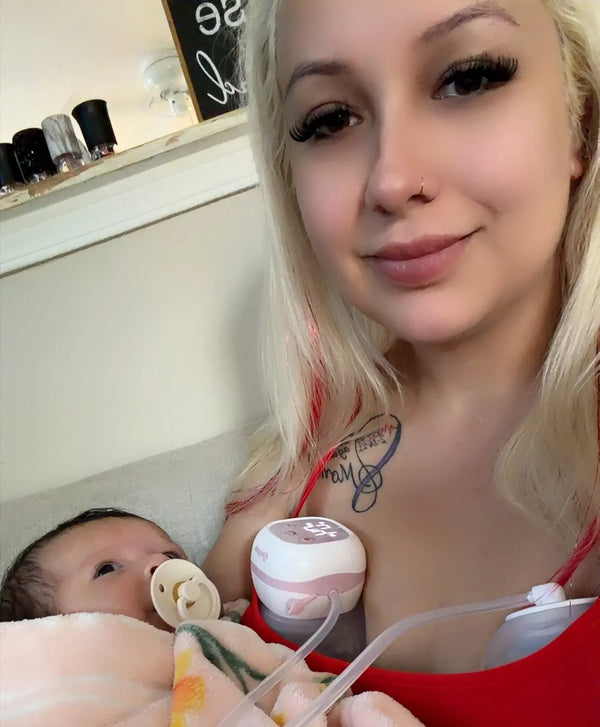
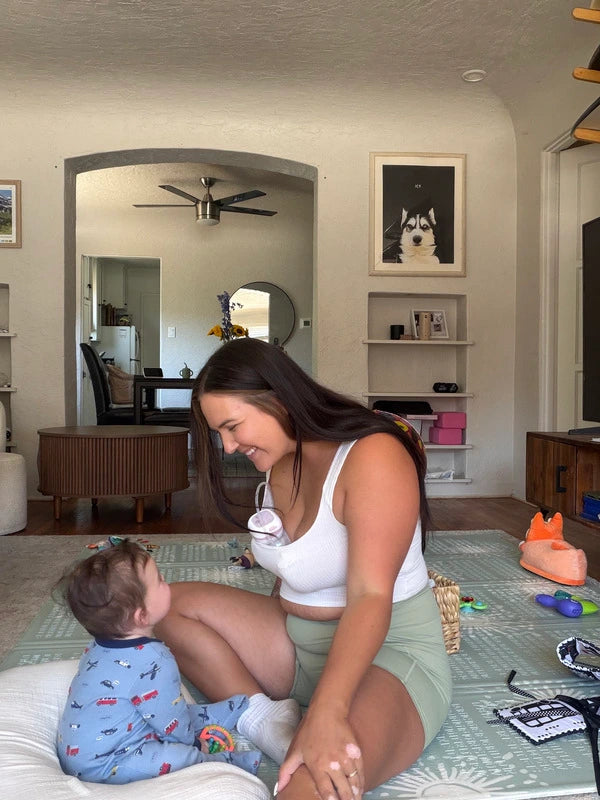
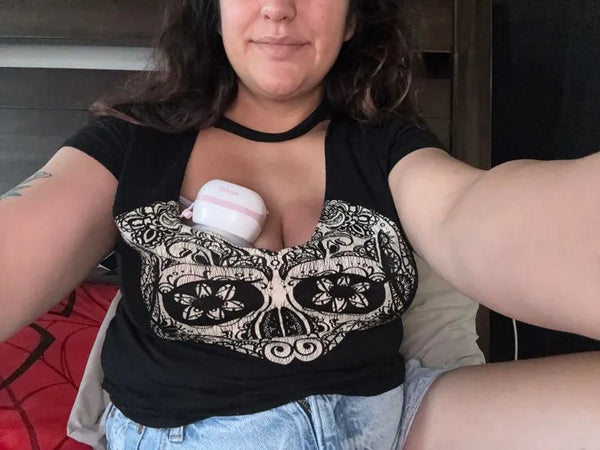
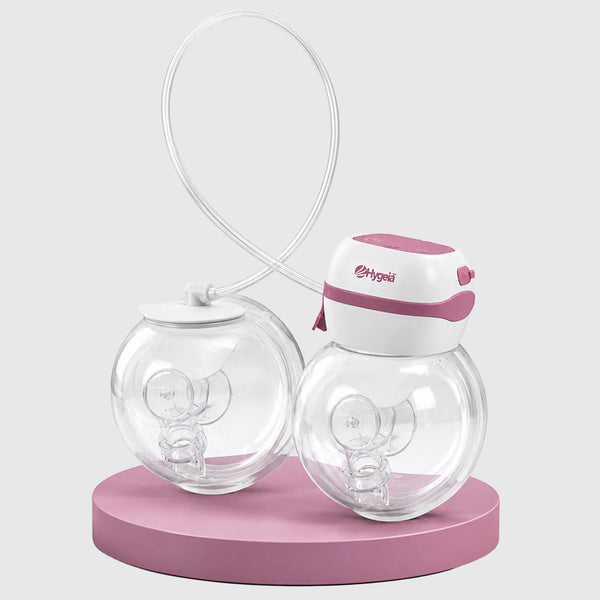
Pick a wearable (Esprit) if you:
- Go back to work and pump between meetings
- Commute, travel or chase an older child
- Want to pump without sitting near an outlet
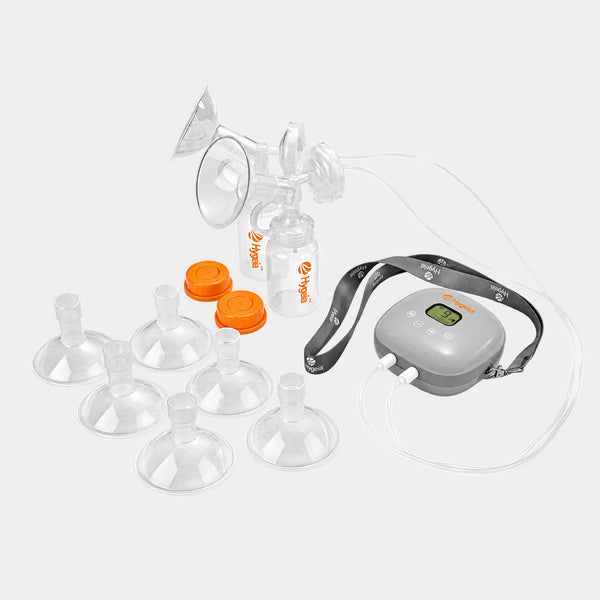
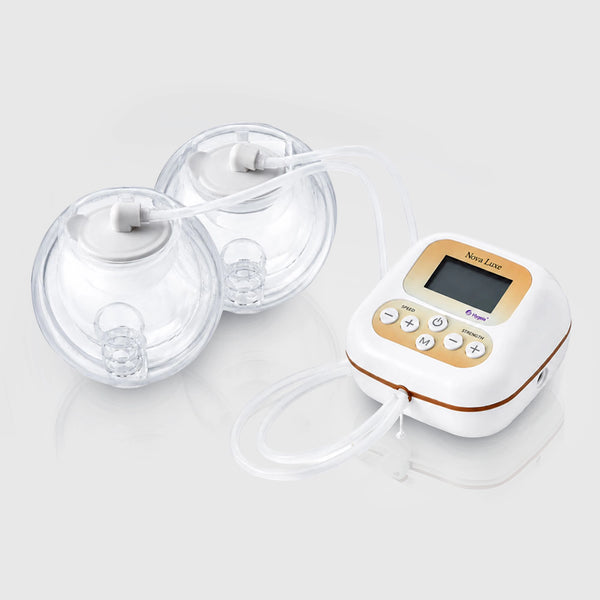
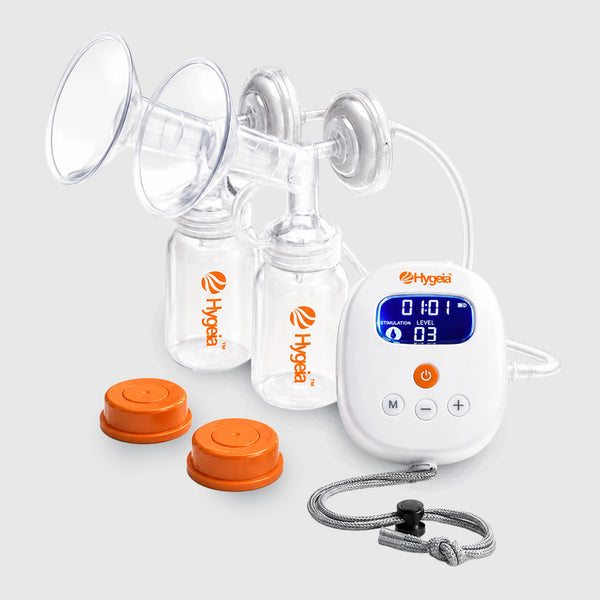
Pick a traditional pump (Nova Luxe, Fit Pro) if you:
- Exclusively pump or are building your supply
- Have a baby in the NICU
- Want bottles that make it easy to see your output
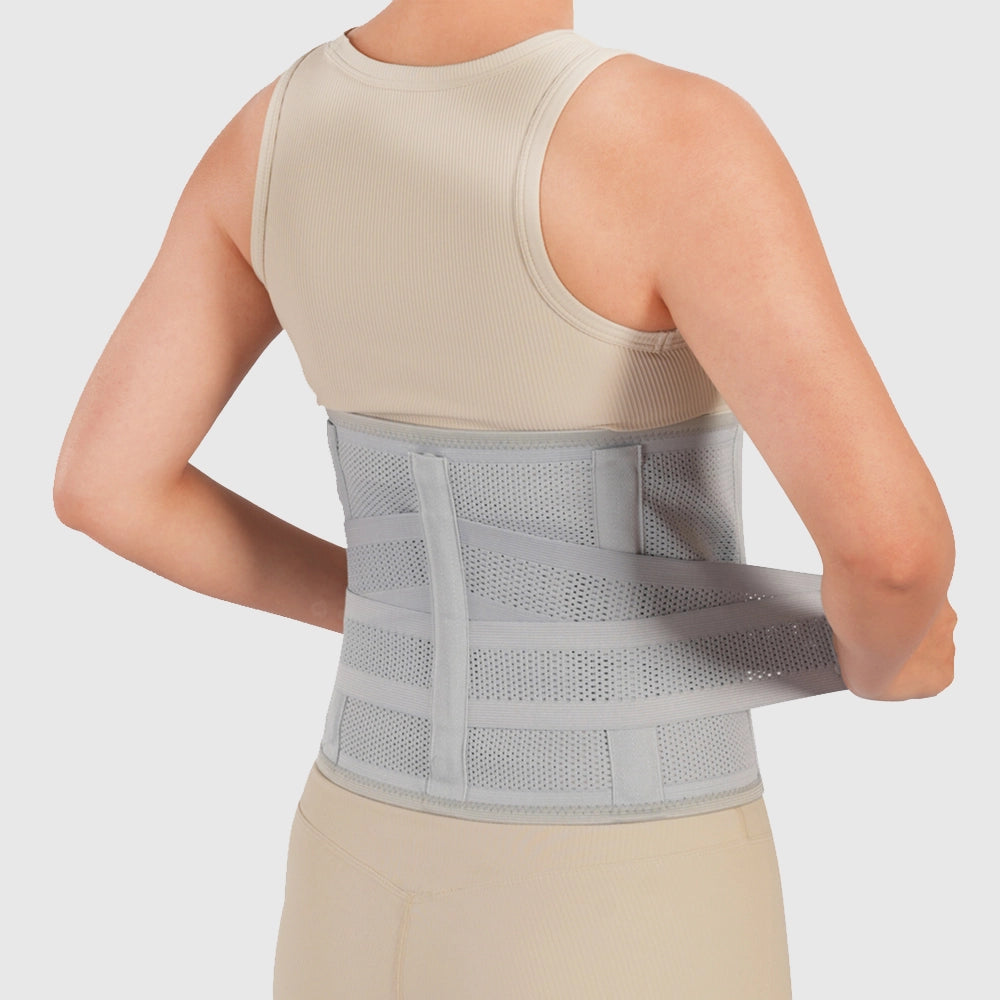
Still deciding? Our guide to breast pump options goes deeper, and our wearable pump tips help you get the most from hands-free pumping.
Does Medi-Cal cover a breast pump?
Yes. California's Department of Health Care Services lists lactation management aids, which include breast pumps, as a covered benefit for Medi-Cal managed care members (MMCD Policy Letter 98-10).
Your Medi-Cal plan sets the details. That might be L.A. Care, Health Net, Anthem Blue Cross Medi-Cal or Molina Healthcare, depending on your county. Most plans ask for a prescription, and some need prior authorization first. If your baby is in the NICU or you need a hospital-grade rental, ask your provider to write down the medical reason. It makes approval easier.
We work with Medicaid managed care plans in most states. Fill out the form and we'll check whether your Medi-Cal plan lets you choose Hygeia. Our guide on getting a free breast pump through Medicaid walks through the process.
On Medi-Cal? Let us do the legwork.
We'll check your plan, contact your provider and tell you which pump you qualify for.
What to do if your California plan denies your pump
Ask your plan for the reason in writing, then file an appeal. Many denials come from a missing prescription or a supplier the plan doesn't use, and both are easy to fix.
- Call the member number on your card. Ask why the claim was denied and which pumps or suppliers the plan covers.
- File a grievance with your plan. Mention that the ACA requires coverage of breastfeeding equipment as preventive care.
- Go to the state if it isn't resolved. Most HMOs and many PPOs answer to the California Department of Managed Health Care (DMHC). Other policies answer to the California Department of Insurance.
Our tips for getting the most from your breast pump coverage help you avoid a denial in the first place.
Pumping at work in California
California gives you more protection than most states. Under California Labor Code sections 1030 to 1034, your employer has to give you break time to pump and a private space close to your work area that isn't a bathroom.
That space needs a place to sit, a surface for your pump, access to electricity and access to a sink and a refrigerator nearby (or a cooler). The federal PUMP Act also protects most workers for up to one year after birth. Our guides to pumping at work and pumping and storing breast milk help you plan your day.
Support after your pump arrives
A pump is only half of it. Through our partnership with Nest Collaborative, you can book a virtual visit with an IBCLC lactation consultant, often covered by insurance too. The free Hygeia Baby app tracks your sessions, so you can see what's normal pumping output for you. We're designed by moms, for moms, and we're here past day one.