2025 was a landmark year for mothers and their babies. There were several significant shifts in how society supports breastfeeding. Breakthroughs ranged from new federal laws to scientific discoveries. This year was about more than just headlines. It was about real progress in the rights and resources available to mothers. Whether it was a viral moment that sparked a national conversation or a major research study on the benefits of human milk, 2025 kept a focus on the strength and resilience of nursing mothers.
Here is Hygeia’s roundup of the most impactful stories and wins from the past twelve months.
Legal & Policy Breakthroughs
The BABES Enhancement Act Signed into Law
In November, the Bottles and Breastfeeding Equipment Screening (BABES) Enhancement Act was signed. It mandates that the TSA provide enforceable, hygienic guidance for handling breast milk and pumping equipment at airports.
The NEST Act Introduction
The Newborns Essentials Support Toolkit (NEST) Act was introduced in the House to fund “newborn supply kits”. This includes breastfeeding supplies specifically for families in maternal health deserts and rural areas.
Lactation Spaces for Veteran Moms Act
This bipartisan bill gained traction in late 2025. It aims to ensure all VA medical centers provide private, hygienic spaces for nursing veterans and employees.
Scientific Discoveries & Research
The “Circadian Milk” Study
A Rutgers study published in Frontiers in Nutrition (Sept 2025) revealed that breast milk’s composition changes drastically throughout a 24-hour cycle. Melatonin peaks at midnight to aid sleep, while cortisol peaks at 6 a.m. to support alertness.
Ig Nobel Prize for Garlic Milk
Researchers won the 2025 Ig Nobel Prize for a study proving baby’s preference for flavored milk. The study showed that infants suckle longer when milk is flavored by garlic from the mother’s diet, debunking the myth that “bland is better.”
NICU Milestone
As of November 2025, over 55% of U.S. Level III and IV NICUs have officially transitioned to an “Exclusive Human Milk Diet” (EHMD). This means they use 100% breastmilk-based fortifiers instead of cow-milk alternatives.
Viral & News Headlines
FEMA Emergency Planning Update
In a win for advocates, FEMA updated its 2025 guidelines to explicitly include breastfeeding supplies and donor milk in federal emergency preparedness and disaster response plans.
The “Morning vs. Night” Milk Labeling Trend
Following the Rutgers research, a viral TikTok trend saw thousands of “pumping moms” color-coding their milk storage bags (yellow for day, blue for night) to help babies regulate their sleep schedules.
Public Pumping and Breastfeeding Incidents
Mother’s shamed for public breastfeeding or pumping created backlash for businesses but support for mothers In November, Aris Smith Kopiec went viral on Instagram after being kicked out of a Georgia restaurant for breastfeeding at the table. The incident sparked protests and a “nurse-in” at the location. Meanwhile, mother of twins, Dr. Elise Turner, was asked to leave a business class lounge for pumping under her shirt. The story made international headlines, forcing a public apology from the Virgin Australia airline.
Celebrity & Pop Culture Moments
Claudia Oshry sparked a massive online discussion in December about the safety and ethics of returning to weight-loss medications (like Ozempic/Wegovy) immediately after finishing her breastfeeding journey. Megan Fox and MGK welcomed their daughter, Saga Blade, and Fox’s aesthetic social media posts featured her nursing journey, helping keep the conversation around “natural parenting” trending.
Gisele Bündchen and Rihanna both welcomed their third child and continue to advocate for breastfeeding and natural parenting, while first time parents Pete Davidson and Elsie Hewitt opened up about their breastfeeding journey.
Hygeia Expands support for mothers
At Hygeia Health, we remain dedicated to providing the high-quality tools you need to provide for your baby with confidence. To better support you, we proudly expanded our offerings in 2025 launching our new maternity garment line. These pieces are designed with comfort and style in mind. They are aimed at helping mothers feel supported from pregnancy through postpartum.
Hygeia’s primary focus continues to be helping mothers access a high quality breast pump covered 100% by insurance. We believe that every mother deserves the best technology available, and we work hard to make the application process simple and accessible.
As 2025 comes to a close, it is clear that the landscape for breastfeeding and pumping mothers is stronger than ever. As we move into a new year, Hygeia Health remains your partner in health and motherhood. We are here to help you every step of the way and plan to continue expanding the ways we support you in 2026.
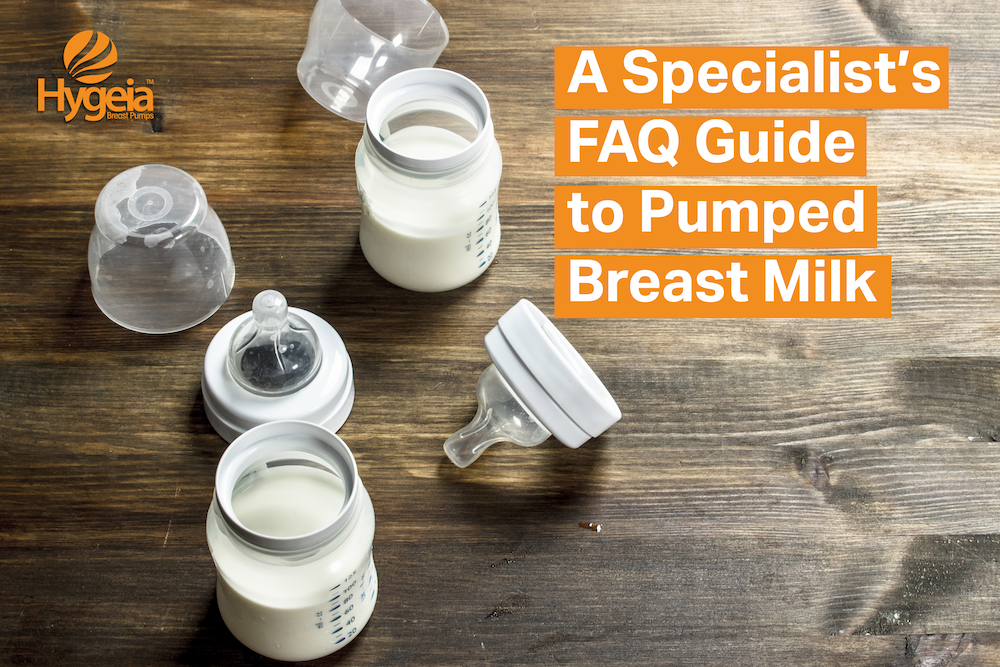
Your pumped breast milk is often called ‘liquid gold,’ and that label is spot-on—it’s a powerful, living source of nutrition and protection for your baby. Dedicating yourself to pumping, is just the first step of the process a. Knowing exactly how to handle and store your expressed breast milk is what gives you peace of mind.
Your milk is packed with live antibodies and nutrients, and proper storage is essential to preserving its integrity. This guide cuts through the confusion, offering you the straightforward, reliable rules you need. We specialize in high-quality breast pumps like the Hygeia Express because effective milk expression is the foundation of safe storage. Let’s dive into the essential facts about your baby’s liquid gold.
The Essential Rules of Breast Milk Storage
Safe storage is non-negotiable. The preferred storage method for freshly expressed milk is simply a refrigerator and having there for no more than 4 days. However, life is wild and many situations won’t present handy refrigerator storage. Additionally, you may want to to have a back-up supply of milk and the freezer will be necessary. Follow these simple guidelines—often called the “Rule of 4s” to help you remember 4 hours on the counter or 4 days in the fridge. Always remember to store milk in clean containers labeled clearly with the date and amount.
- Countertop: Up to 4 Hours
- Insulated Cooler: Up to 24 Hours
- Refrigerator: Up to 4 Days
- Freezer: Up to 6 Months
- Deep Freezer: Up to 12 Months
Simple Storage Tips:
Beyond the time guidelines for storage, safety depends on precise handling. Here are a few essential tips for ensuring the quality of every ounce you store.
-
Combine Safely: Only combine milk from different sessions if the newer milk has first been cooled to the same temperature as the older, chilled milk. Never mix warm milk with cold or frozen milk.
-
Small Portions: Store milk in 2 to 4-ounce portions. This prevents waste and allows for quicker cooling and thawing, which helps preserve those vital nutrients.
-
Thawing Wisdom: Thaw frozen milk in the refrigerator overnight. For faster thawing, use a bowl of warm water.
- Never use a microwave to thaw or warm milk, as this destroys antibodies and creates dangerous hot spots.
-
Never Refreeze: Thawed breast milk must be used within 24 hours (if thawed in the refrigerator) and must never be frozen again.
The FAQ of Stored Milk
Why does my stored milk look separated?
This is completely normal! Breast milk separates into layers when stored. The creamy, fatty layer (hindmilk) rises to the top, and the watery layer (foremilk) stays at the bottom. Gently swirl the container to remix the layers before feeding; do not shake it vigorously.
Why are the colors different?
The color can vary greatly based on your diet, hydration, and supplements. For instance, green milk can result from eating green vegetables or certain vitamins; yellow or orange milk is common if you have a high intake of beta-carotene. As long as the milk smells fresh, these color changes are usually safe. Learn more about your breast milk colors here.
Why does thawed milk smell soapy or metallic?
This is often due to high levels of lipase, an enzyme that breaks down fats. While the milk is still safe and nutritious, some babies may dislike the resulting taste. To prevent this, you can scald (heat quickly, then cool) fresh milk before freezing it to deactivate the lipase.
What does spoiled milk smell like?
Spoiled milk smells distinctly sour, rancid, or cheesy—like spoiled cow’s milk. If there is any noticeable bad odor after thawing, discard it immediately.
Keep your confidence with the right pump
We know the effort it takes to maintain your supply and ensure safe storage. That commitment is why we engineer high-quality hospital-grade breast pumps that deliver consistent, effective milk expression—a crucial factor in your success. Because most insurance plans cover the cost of a breast pump, we at Hygeia love helping moms figure out their coverage.
Let us support your confidence in providing the best for your baby. Apply today and Hygeia will assist in getting your high quality breast pump covered 100% by your insurance.
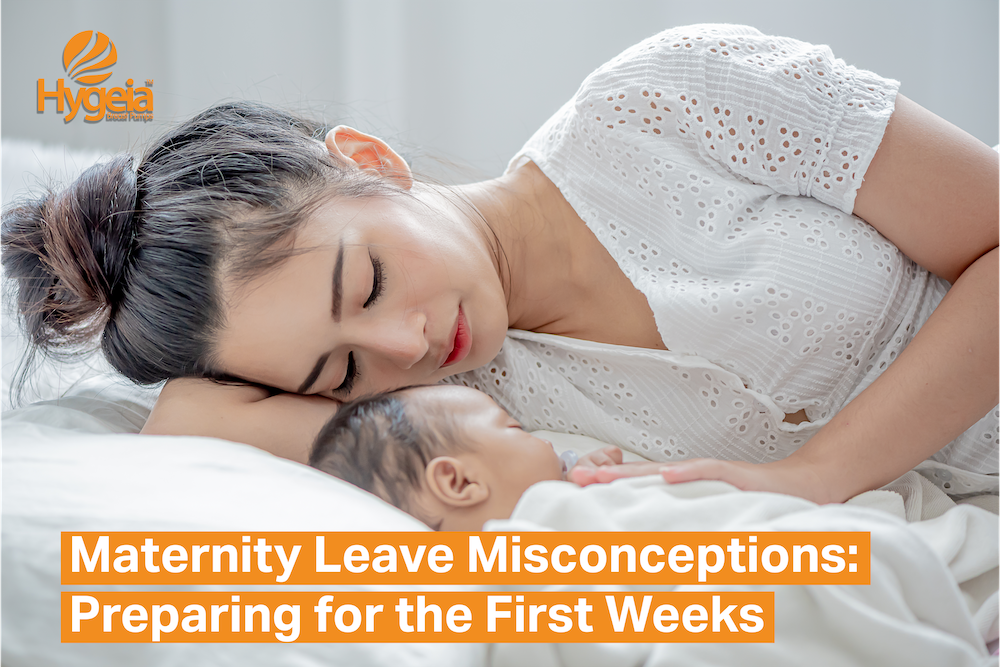
Maternity leave is often talked about as this peaceful stretch of time when you bond with your baby; you get to rest, and enjoy slow days at home. The truth, if you ask any experienced mother, is usually quite different.
For many mothers, maternity leave is a mix of recovery, learning curves, emotional highs and lows, and the nonstop needs of a newborn. The gap between expectation and reality can feel huge, and that gap is exactly what leaves many women feeling unprepared.
This article takes a clear look at common misconceptions about maternity leave. Instead we hope to give the reality of what the early weeks are like and how you can prepare in practical, confidence-building ways.
Misconception 1: “Maternity leave will feel like a break.”
Reality: Maternity leave is not a vacation. Your body is healing. Your hormones are shifting. Your sleep is interrupted every few hours. Most mothers spend their days feeding, pumping, soothing, and repeating the cycle. Even moments of rest are tied to your baby’s schedule.
How to prepare:
- Build a support plan for meals, household tasks, and childcare for older children before you deliver if possible.
- Do not turn down help even if you think you “should” be able to do it all yourself.
- Create a simple feeding plan. If you plan to breastfeed or pump, know what resources are available before your baby arrives.
Misconception 2: “I’ll have plenty of time to get things done.”
Reality: Newborns often nurse eight to twelve times per day. Feeding sessions can be long, and the hours between them pass quickly. Many mothers are surprised at how little time they have for anything beyond basic needs.
How to prepare:
- Lower your expectations for productivity. Your only goals should be to recover while nurturing and feeding your baby.
- Stock up on easy, one-handed snacks and bottles of water for breastfeeding or pumping sessions.
- Create small “stations” around the house: diapers in more than one room, burp cloths within reach, and a comfortable spot to nurse or pump.
Misconception 3: “Bonding will happen instantly.”
Reality: Many mothers expect love to rush in the moment their baby arrives. While this does happen for some, bonding can also develop slowly. You are recovering physically and learning a new baby who is still figuring out how to communicate with you.
How to prepare:
- Give yourself grace if bonding takes time and know it is common with many mothers.
- Practice skin-to-skin as much as you can; even if you are not breastfeeding, letting baby sleep skin to skin helps the bond.
- Talk with your partner or support person about emotional check-ins during the first few weeks.
Misconception 4: “Breastfeeding will come naturally.”
Reality: Breastfeeding is a learned skill for both mother and baby. Sore nipples, latch challenges, and round-the-clock feedings can make the beginning feel overwhelming. Many women assume they are “doing it wrong” when the truth is that the early weeks are an adjustment period.
How to prepare:
- Meet with a lactation consultant before birth or schedule an appointment for the first week home. You can also have one visit you while you are in the hospital.
- Learn the basics of latch, feeding cues, and normal newborn behavior.
- If you plan to pump, choose a hospital-grade breast pump so you can establish and maintain supply more comfortably during this demanding season.
Misconception 5: “I’ll feel like myself again in a few weeks.”
Reality: Physical recovery can take several months. Emotional recovery can take even longer. You may feel tired, overwhelmed, or sensitive in ways you didn’t expect. None of this means you are doing anything wrong.
How to prepare:
- Have open conversations with your partner about mental health, sleep, and postpartum expectations.
- Know the signs of postpartum anxiety and depression before you need the information.
- Plan for small, practical forms of self-care, like short walks or a shower without rushing. Set these goals with your partner or a support person.
Misconception 6: “I’ll slide easily back into my old routine when maternity leave ends.”
Reality: Whether you are returning to work or continuing to stay home, your life has changed in meaningful ways. New routines take time to build. Returning to work often comes with a mix of pride, guilt, relief, and sadness. All of this is normal.
How to prepare:
- Talk with your employer early about pumping breaks, flexible schedules, and transition needs.
- Practice your pumping routine at home so it feels familiar once you return to work.
- Build a transition week into your plan. A few half-days can help you and your baby adjust gradually.
Turning Expectations Into a Realistic and Supportive Plan
Maternity leave is not a single experience. It is a major life shift filled with learning, adjusting, healing, and caring for a brand-new person. When you understand the realities instead of the picture-perfect expectations, you can prepare with more confidence and compassion for yourself.
At Hygeia Health, our focus is supporting mothers through every phase of feeding, pumping, and postpartum recovery. The right tools, along with clear information and thoughtful planning, allow mothers to navigate maternity leave with more ease.
Comfort and confidence in breastfeeding are a huge part of a positive maternity leave. Our hospital-grade breast pumps support this aspect. Apply today and Hygeia will assist in getting your high quality breast pump covered 100% by your insurance.
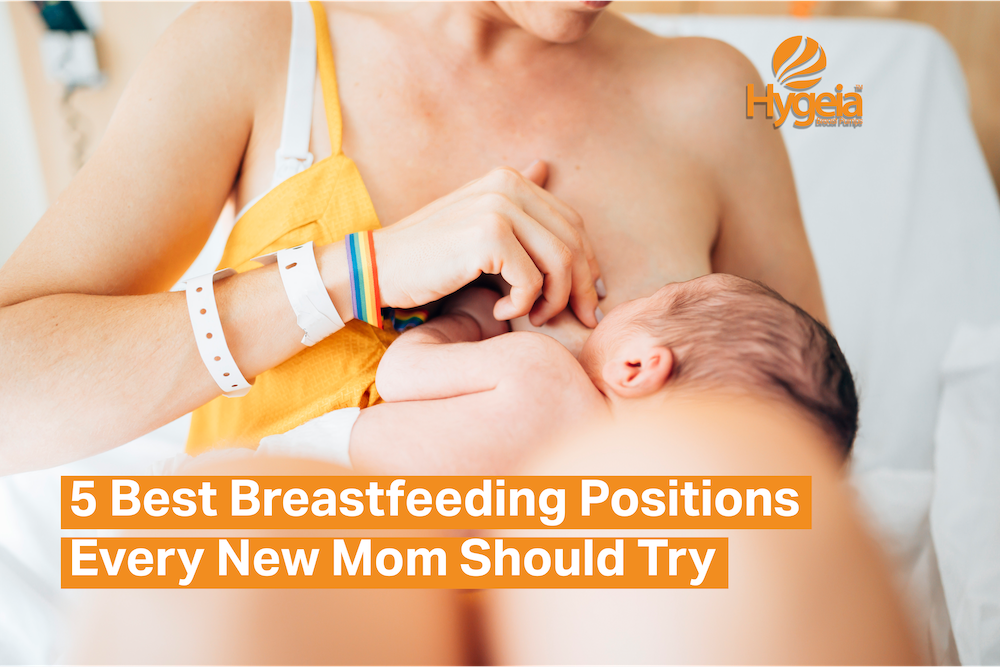
Finding the breastfeeding position can make all the difference in your comfort and your baby’s feeding success. Every mother and baby pair is unique, so what feels natural to one person might not work for another. The key is to experiment, stay relaxed, and choose positions that help your baby latch deeply while keeping you both comfortable.
Below are some of the best breastfeeding positions to try—each one with its own advantages depending on your body, your baby’s age, and your feeding goals. As you try different holds, it doesn’t hurt to ask for help from someone with experience to be sure you are getting them right. A nursing pillow can give you more freedom to get yourself and baby comfortable as these positions become more natural to you both.
1. The Cradle Hold
The cradle hold is one of the most classic breastfeeding positions and often the one new mothers try first.
How to do it:
- Sit upright in a comfortable chair or on a supportive bed.
- Hold your baby so their head rests in the bend of your arm, with their body turned toward you.
- Make sure your baby’s nose is level with your nipple and their head, neck, and body are aligned in a straight line.
Why it works: This position promotes closeness and eye contact. It’s ideal once your baby has developed a stronger neck and feeding rhythm. For newborns, it may take a little more coordination, so don’t be discouraged if it’s tricky at first.
Tip: Support your arm with a nursing pillow or rolled-up blanket to reduce shoulder and wrist strain.
2. The Cross-Cradle Hold
The cross-cradle hold is similar to the cradle hold but gives you more control over your baby’s head and latch—making it perfect for newborns or babies who need a little help getting a deep latch.
How to do it:
-
Sit upright and hold your baby across your body, tummy to tummy.
-
Support their neck and shoulders with the hand opposite to the breast you’re feeding from (for example, use your right hand for your baby’s head when nursing on the left breast).
-
Use your free hand to guide your breast and help your baby latch.
Why it works: This position lets you guide your baby’s mouth precisely to the nipple and adjust as needed for a better latch. It’s especially useful during the early weeks when you’re both still learning.
3. The Football Hold (Clutch Hold)
If you’ve had a cesarean birth or have larger breasts, this position can be a game-changer.
How to do it:
-
Tuck your baby under your arm like a football, with their legs pointing toward your back.
-
Support their head and shoulders with your hand and use a pillow under your arm for comfort.
-
Bring your baby’s mouth to your nipple, keeping their nose clear for easy breathing.
Why it works: It keeps pressure off your abdomen, supports smaller or premature babies, and helps you see your baby’s latch clearly. Many moms find it easier to maintain a deep latch in this position.
4. The Side-Lying Position
This one’s all about rest and relaxation—perfect for nighttime feedings or when you need to recover post-delivery.
How to do it:
-
Lie on your side with your baby facing you, tummy to tummy.
-
Support your head with a pillow and use another behind your baby’s back to keep them close.
-
Bring your baby’s nose to your nipple and allow them to latch naturally.
Why it works: You can rest your body while your baby feeds, and it’s gentle on your healing body after birth or a C-section.
5. The Laid-Back (Biological Nurturing) Position
This position takes advantage of gravity and your baby’s natural feeding instincts.
How to do it:
-
Recline comfortably on a couch or bed at about a 45-degree angle.
-
Place your baby tummy down on your chest, with their head near your breast.
-
Support your baby as they find the nipple and begin to nurse.
Why it works: This position encourages your baby to use their reflexes to find the breast and latch deeply. It also reduces nipple pain and helps milk flow naturally.
Comfort Tips for Every Position
No matter which position you choose, comfort for both you and your baby is essential. Here’s how to make feeding smoother:
-
Use pillows or cushions to support your arms, baby, and back.
-
Bring your baby to your breast, not your breast to your baby. Hunching forward can lead to back and neck pain.
-
Check for a good latch. Your baby’s mouth should cover most of the areola, not just the nipple.
-
Switch sides each feeding or halfway through to keep milk production balanced.
-
Stay hydrated and relaxed. Deep breathing before and during feeds can help your milk let down more easily.
- Ask for help. A lactation consultant can help you get comfortable or adjust your latch and hold appropriately, but even an experienced breastfeeding mom can be of great assistance.
Final Thoughts
Breastfeeding takes patience, practice, and a bit of trial and error. The “best” position is the one that feels right for both of you—one that supports your baby’s latch and your body’s comfort.
If you’re experiencing pain, soreness, or latch difficulties, don’t hesitate to reach out to a lactation consultant or your healthcare provider. Sometimes small adjustments make a big difference.
At Hygeia Health, we believe that comfortable, confident breastfeeding starts with the right support—both in guidance and in tools like our hospital-grade breast pumps. With knowledge, patience, and the right equipment, you can make breastfeeding a more enjoyable and successful experience for both you and your baby. Apply today to let Hygeia assist in getting your high quality breast pump covered 100% by your insurance.
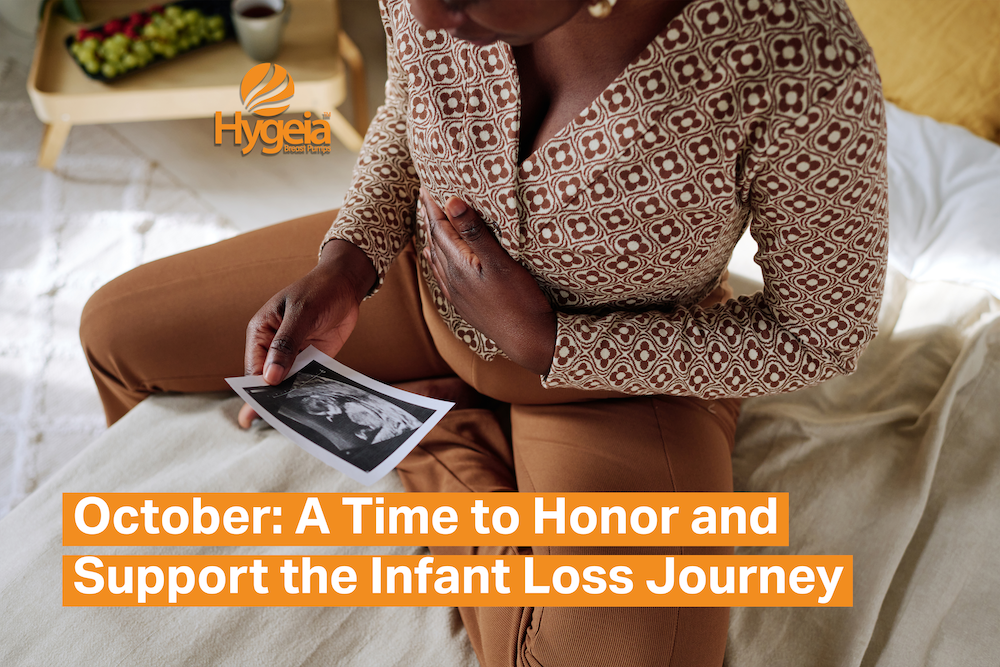
October marks Pregnancy, Infant, and Child Loss Awareness Month. This is an important time to make space for the profound grief carried by millions of families worldwide. For mothers, this is a time to honor the memory of a life gone too soon. It is a time to recognize that even a journey into motherhood complicated by loss is valid and deserving of support.
At Hygeia Health, we believe in supporting every aspect of the maternal journey, including the most difficult paths. Loss is deeply personal, but no mother should walk the healing road alone.
October 15: Pregnancy and Infant Loss Remembrance Day
In the United States, 1 out of every 4 pregnancies ends in miscarriage and 1 and every 160 pregnancies end in stillbirth. That makes for thousands of mothers and families affected by such tragedies every year. Those numbers don’t even include infant death from preterm labor, diagnosis of life-limiting conditions, or SIDS. It’s a heartbreaking reality but not one that should be looked past.
In 1988, President Ronald Reagan declared October to be Pregnancy and Infant Loss Awareness Month. Today October 15 is a special day of remembrance as well. Many will join across the globe for the what is known as the Wave of Light. Participants share stories and create this wave, lighting candles around the world, symbolizing that these losses are not endured alone. At 7 p.m. your local time, we encourage you to light a candle. Keep it lit for one hour, as the wave of light passes throughout the world.

Ways to Participate and Support Mothers
These types of losses in motherhood impact everyone; even if you haven’t experienced the heartbreak firsthand, you know someone who has. Participating in the International Wave of Light is simply one way to support the awareness and give moms the confidence to know they do not suffer alone.
During October, moms are encouraged to share their baby’s story on social media using the #BecauseOfYouMyChild hashtag. Tag @pregnancyafterlosssupport on Instagram if you would like your story to potentially be shared to comfort other mothers.
The Pregnancy After Loss Support site also offers a #BecauseOfYouMyChild frame. This can be added to a favorite photo and posted to your social media feeds. Additionally, you can download PALS’ “footprints on my heart” graphics to share on social media, your blog, or website.
You can also make a donation to Pregnancy After Loss Support (PALS) in memory of a baby who has passed, and help keep PALS’ services and resources free for moms who are traveling the journey of pregnancy after loss.
The Physical Reality of Loss and Lactation
For mothers who continue their pumping journey, whether for current needs or in preparation for a subsequent pregnancy, we stand with you. We recognize that the anxiety and uncertainty of a pregnancy after loss can be immense. Focusing on preparation, like securing the best tools, offers a sense of control and hope during the healing journey.
Hygeia’s commitment goes beyond simply manufacturing equipment. It is rooted in recognizing the unique needs of every family. Part of effective loss support involves removing obstacles that add stress to the grieving process. High-quality lactation equipment should not be a financial burden. We aim to ensure that every mother who needs a breast pump—for any reason, at any stage of her journey—can access one easily.
If having a pump will relieve one aspect of the stress of your loss, we are here for you. Apply today to let Hygeia assist in getting your high quality breast pump covered 100% by your insurance.
This Pregnancy and Infant Loss Awareness Month, we honor the love that endures. We are dedicated to supporting your mental health and physical needs by providing the resources required for your unique journey. You are not alone.