


 ★ Recommended
Belly Bands
Gentle belly coverage that grows with you, layering seamlessly under everyday outfits.
Shop Belly Bands

Designed for busy moms with hospital-strength suction and lightweight, hands-free comfort
loving moms are viewing

FSA/HSA Eligible

1-Year Warranty

Free Shipping
in 24- 48 Hours


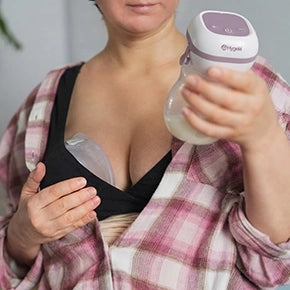
Moms spend
2–3 hours/day pumping
- comfort matters.

85% of working moms
pump on the go
or at work
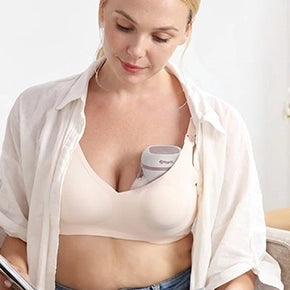
Wearable pumps increase
pumping consistency
by up to 28%.
Everything your Esprit wearable pump needs, from replacement parts to everyday accessories. Maintain hospital-strength performance and a secure, comfortable fit so you can pump hands-free and cord-free wherever your day takes you.
Showing 6 of 10
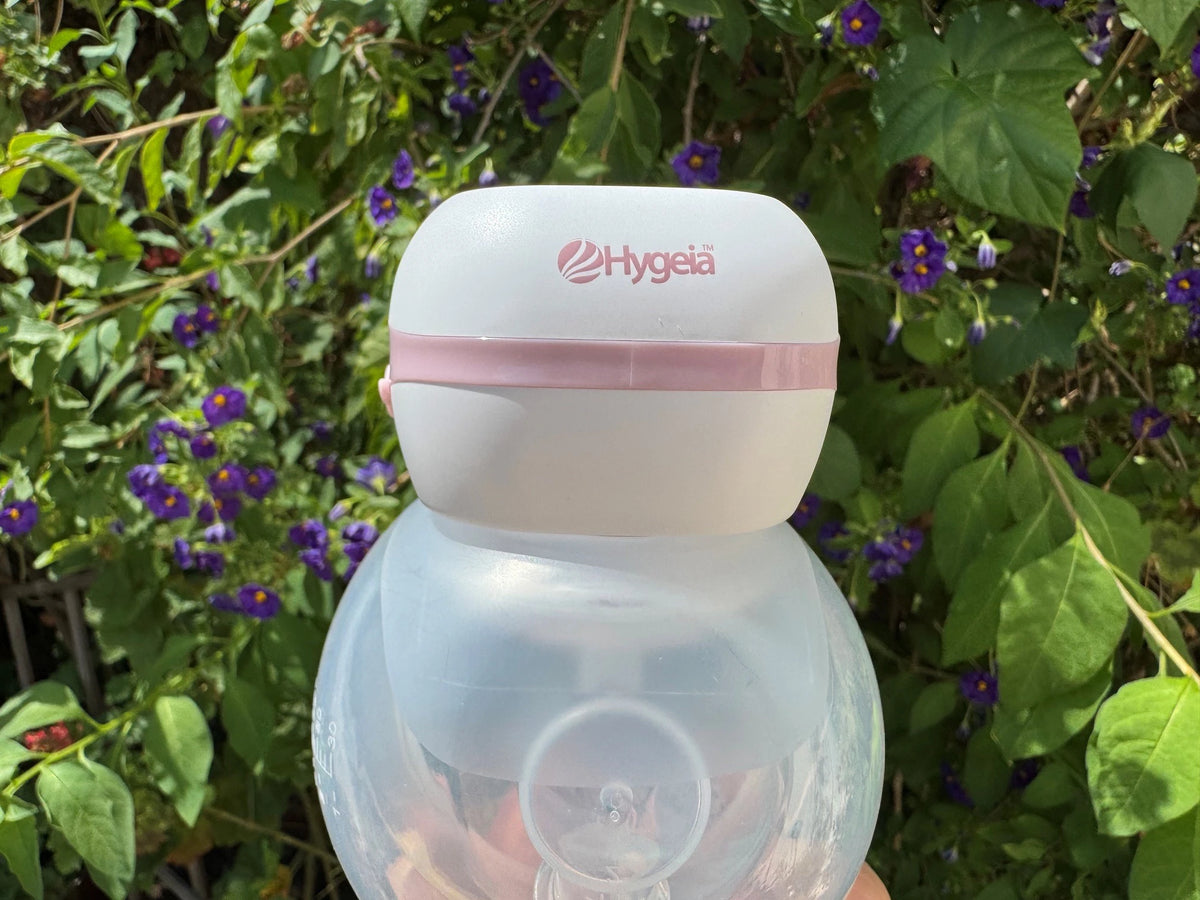
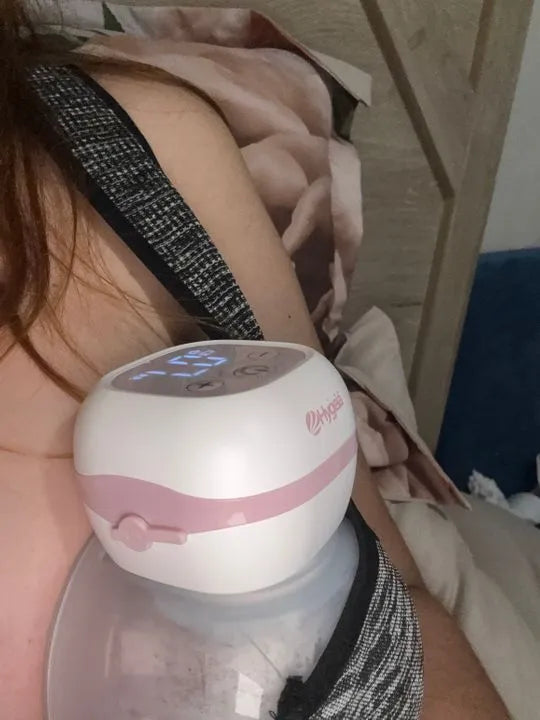
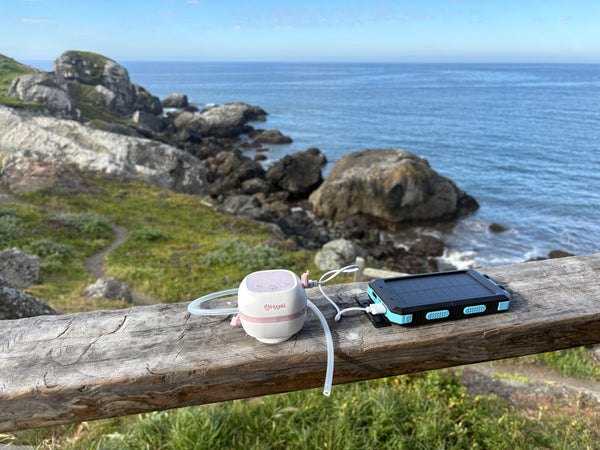
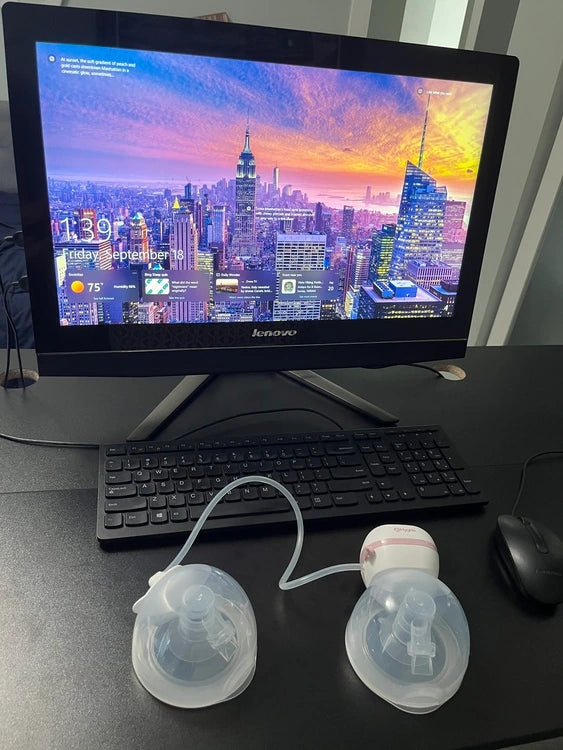
The Esprit Wearable Breast Pump was designed for flexibility and simplicity without sacrificing power. Whether you’re at home, on a video call or out with your baby, you can pump comfortably and hands-free.
Esprit includes both Stimulation and Expression modes, giving you control over how you pump. Each mode has 9 suction levels, so you can fine-tune the experience to suit your body and milk flow.
Its whisper-quiet motor and lightweight design make it discreet and the large LED display shows your suction level, mode and battery status at a glance.








Celebrated by leading parenting and health organizations for innovation, efficiency, and mom-approved design.

"Hospital-grade, cordless, hands-free pump designed for ultimate convenience and efficiency."

"It's cordless, rechargeable design lets you pump anytime, anywhere."

"Best hospital-grade breast pump"

"This breast pump has it all! It has an excellent design and I love how it can fit in your purse."

"In my humble but experienced opinion, the comparable pumps don't really compare."


The Hygeia Baby App gives you expert guidance, real-time tracking, and personalized support—so you never have to pump alone.


1 × Wearable electric breast pump

1 × Tubing

2 × Diaphragms

4 × Duckbill valves

2 × 27mm Flange cups

2 × 24mm Flange inserts

2 × 21mm Flange inserts

2 x Collection cups

1 x Cup cover cap

1 x USB Type-C charging cable (adapter not included)

1 x Instructions for Use

Esprit Wearable Breast Pump

FDA Registered

BPA & Phthalate-Free

Medical-grade silicone
Browse our most-loved Products designed for comfort, efficiency, and everyday convenience.
✨ Shipping Included with Every Electric Breast Pump


Thoughtfully engineered support for every stage of motherhood from bump to recovery. Soft, breathable, and clinically considered for lasting comfort.
★ Recommended
Gentle belly coverage that grows with you, layering seamlessly under everyday outfits.
Shop Belly Bands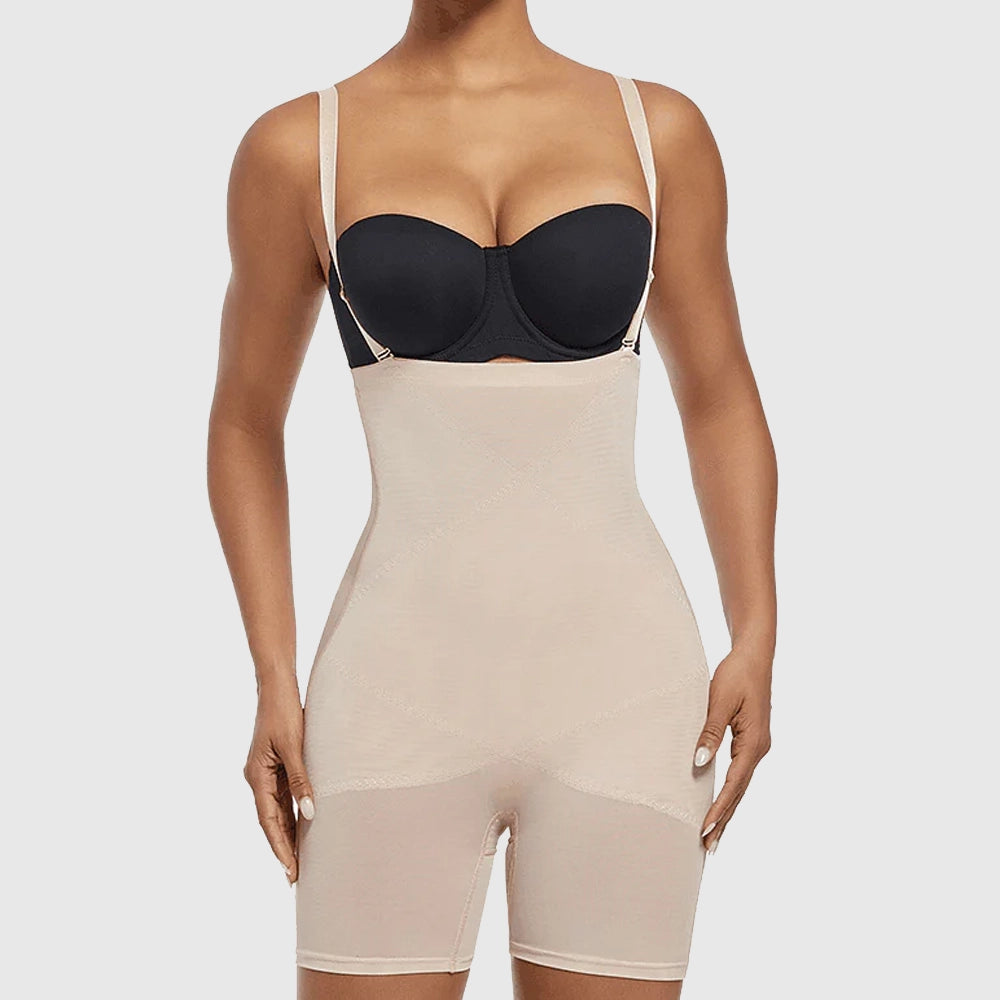
Supportive recovery garments that cradle and comfort during the fourth trimester.
Shop Recovery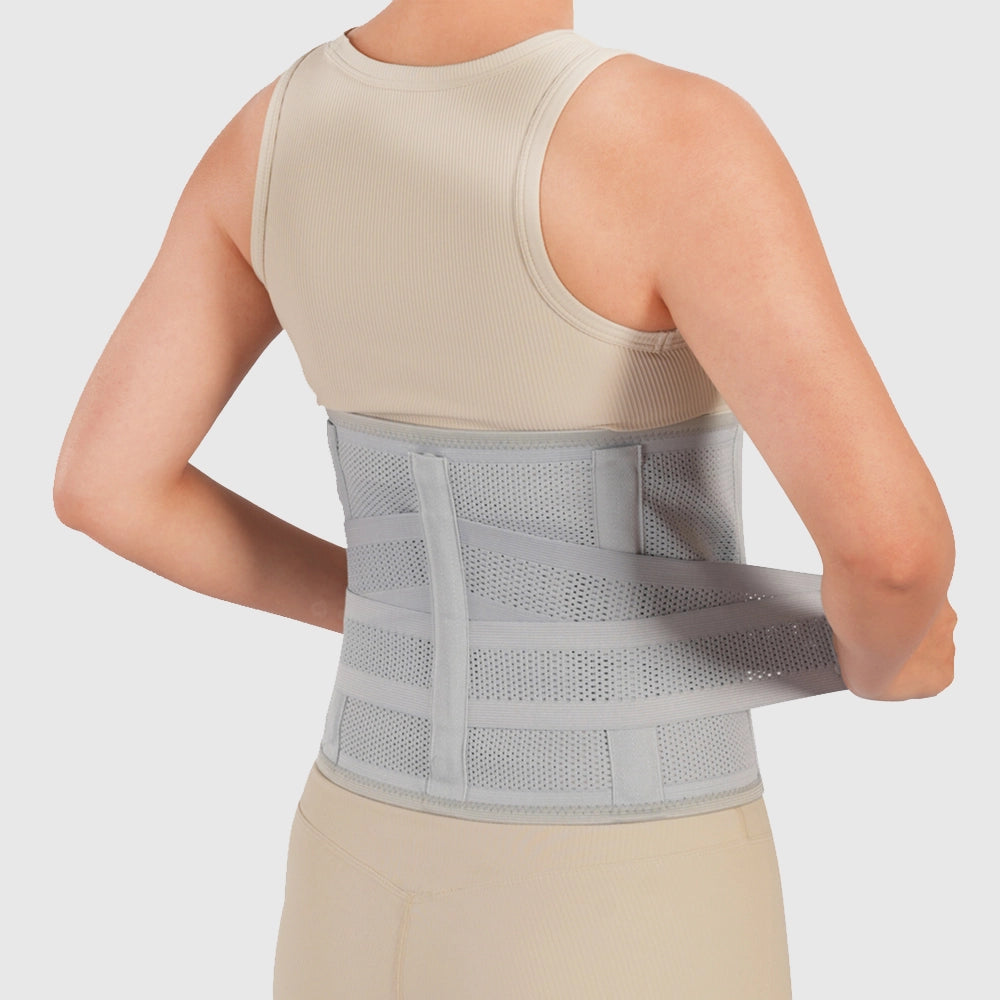
Structured core support to ease the transition and steady you through healing.
Shop Binders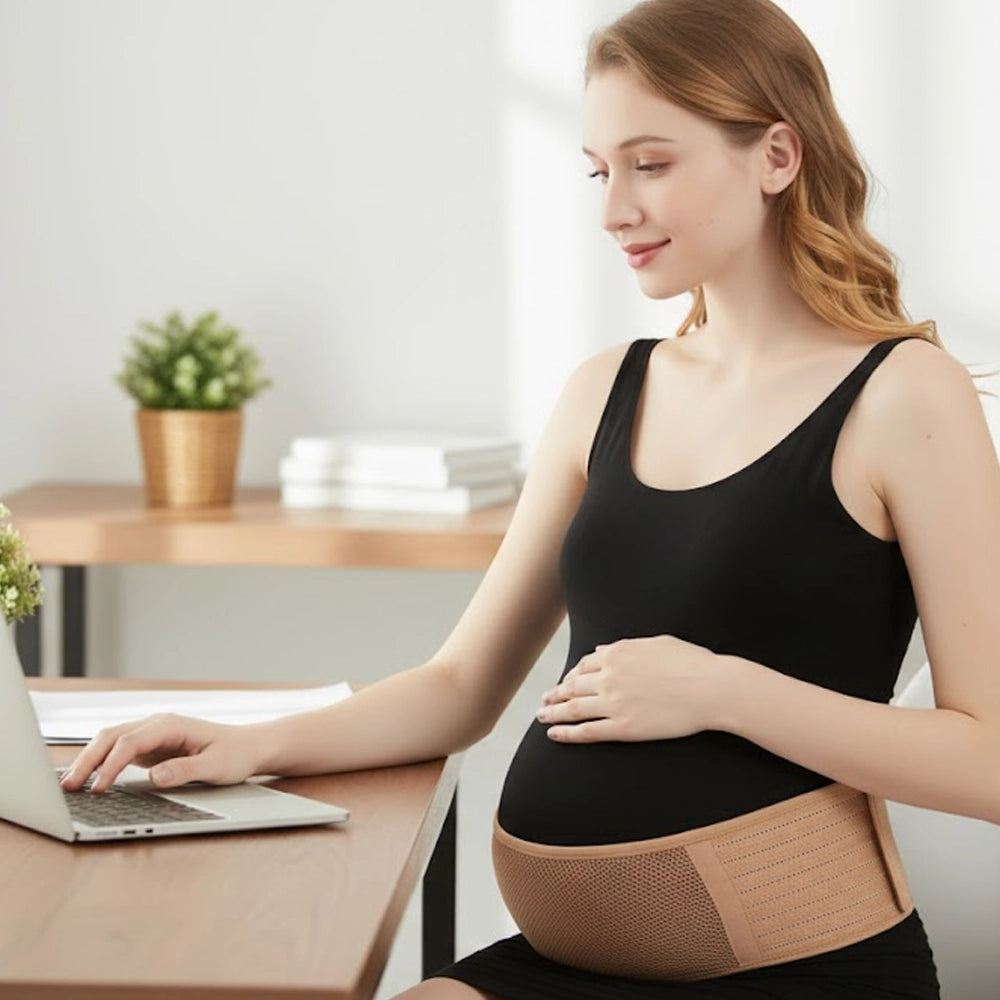
Lifts and lightens the load on your lower back so you can move with ease all day.
Shop Belts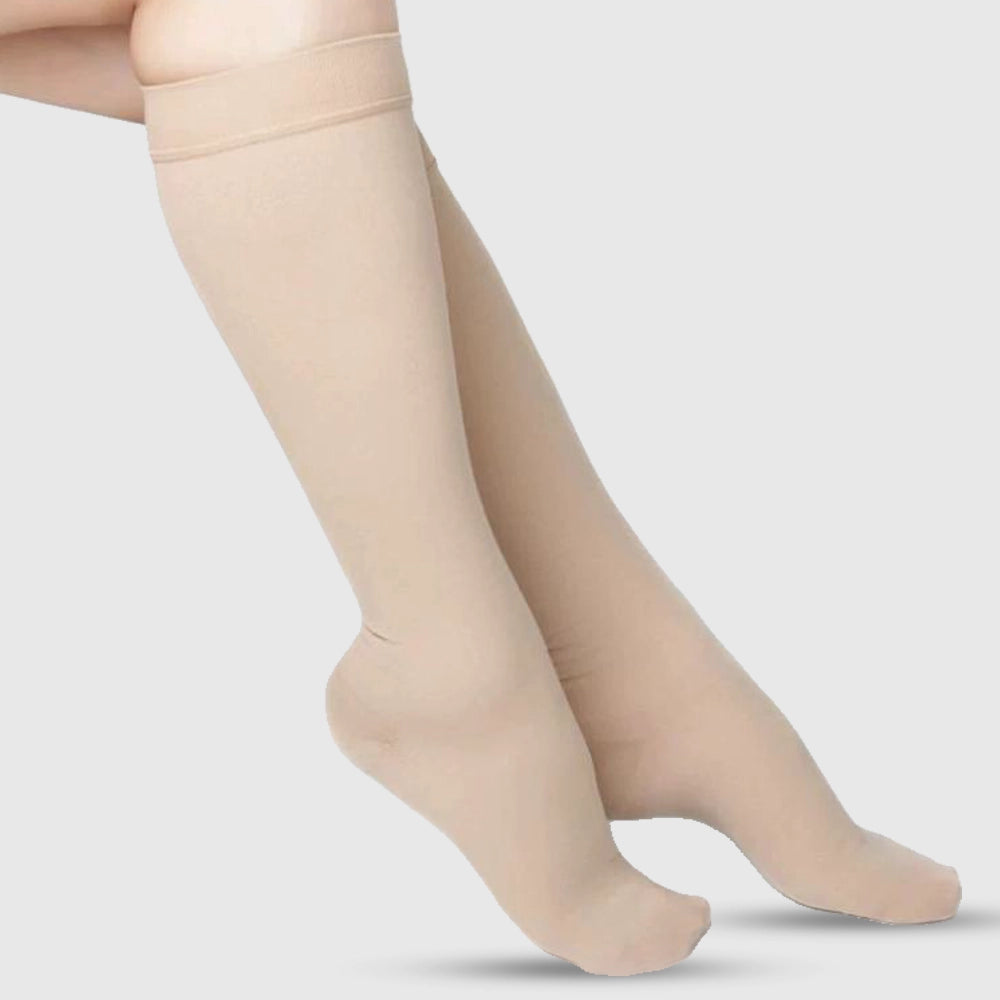
Graduated compression to boost circulation and reduce swelling through every trimester.
Shop Compression SocksThe sound of a traditional breast pump echoing through the office bathroom. The weight of a bulky device pressing against your chest. The wires, the tubing, the parts to assemble with all while trying to steal 20 minutes away from your desk to maintain your milk supply.
For millions of working mothers, pumping at work isn't just uncomfortable; it's become a source of anxiety, shame, and logistical chaos. But what if you could pump without anyone knowing? What if you could express milk while answering emails, walking to meetings, or even talking on a video call? This isn't a fantasy, it's the reality of a wearable hands free breast pump, and it's fundamentally changing how modern mothers approach pumping and returning to work.
The cordless breast pump revolution has arrived, and it's not just a minor convenience upgrade, it's a complete reimagining of what lactation support looks like for the working mother. In this guide, we'll explore everything you need to know about wearable electric breast pump technology, how it works, why it matters, and exactly what to expect when you make the switch from traditional pumping to hands-free, discreet milk expression.
Traditional breast pumps are, frankly, relics of a different era. They were designed for one specific use case: sitting down in a quiet room, attaching yourself to a bulky machine, and spending 15-30 minutes immobilized while the pump does its work. But modern working mothers don't have that luxury.
You're not sitting in a designated lactation room for half an hour, you're juggling meetings, emails, conference calls, and the constant pressure of "proving yourself" at work while also maintaining your milk supply for your baby.
Here's what traditional pumping looks like in reality:
The fundamental problem is that traditional pumps were never designed for the real lives of working mothers. They require dedicated time, dedicated space, and they announce to everyone around you exactly what's happening.
For many women, this creates such significant stress that they abandon pumping altogether not because they want to, but because the logistics became unsustainable.
Enter the wearable electric breast pump revolution.
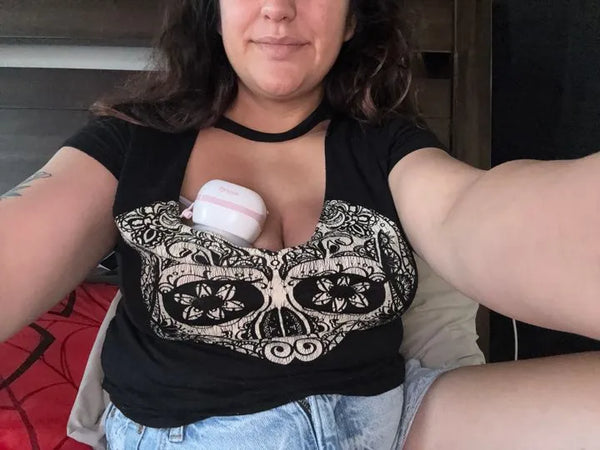
A hands free wearable breast pump isn't just a convenience feature, it's an entirely different approach to lactation support. Instead of requiring you to sit down and dedicate uninterrupted time to pumping, a cordless breast pump with wearable technology lets you continue your day while the pump works silently beneath your clothes.
Here's what fundamentally changes:
With a traditional pump, you lose 20-30 minutes of your workday to pumping. With a wearable hands free breast pump, those 20-30 minutes become productive work time. You can pump while answering emails, attending meetings (unmuted, if you're confident), reviewing documents, or having conversations. The pump operates silently, meaning colleagues won't hear anything. More importantly, you won't hear anything, the quiet operation means you can focus on actual work instead of being mentally present in pumping.
A wearable electric breast pump fits inside your bra beneath regular clothing. From the outside, no one can tell you're pumping. This isn't about shame, it's about professional boundaries. You don't want colleagues speculating about your lactation status. You don't want it to become a conversation topic. With a cordless breast pump that's wearable, pumping becomes private in a way that traditional pumps can never achieve.
Traditional pumps create physical strain, back pain from hunching, arm fatigue from holding bottles, and pressure points where the pump contacts your body. A hands free wearable breast pump distributes weight evenly across your chest and torso, eliminating the pressure points and strain that make traditional pumping physically uncomfortable. Many mothers report that wearable hands free breast pump technology is significantly more comfortable than traditional approaches.
Stress directly impacts milk production. The anxiety of finding time and space, the discomfort of traditional pumping, and the logistical burden all create stress that can reduce output. When you remove those stressors when pumping becomes seamless and discreet instead of a production event many mothers find their milk supply actually increases. The cordless breast pump isn't just more convenient; it can actually help you produce more milk because you're less stressed.
The engineering behind a modern wearable electric breast pump is sophisticated, but the experience is simple. Here's what's happening:
A wearable hands free breast pump uses hospital strength suction, the same technology found in clinical settings delivered through a compact motor. The suction strength is calibrated to match what lactation consultants consider optimal for milk expression: strong enough to be effective, but gentle enough that it doesn't cause pain or tissue damage. This is why comparing a cordless breast pump to cheaper alternatives matters, the suction quality directly impacts both comfort and output.
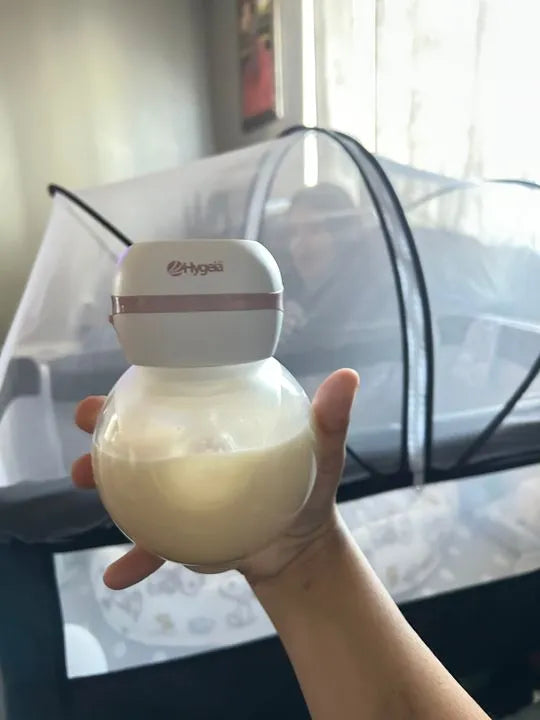
Unlike traditional pumps where milk flows into bottles you hold, a wearable electric breast pump collects milk directly into containers that are integrated into or attached to the pump itself. Some models allow you to collect into standard bottles that integrate seamlessly, meaning you're not managing separate collection containers that your pumping container is your storage container.
This is where cordless breast pump technology becomes a game-changer. Traditional pumps require being plugged in or having access to an outlet. A wearable hands free breast pump is battery-powered with rechargeable lithium batteries that last for multiple pumping sessions. This means you can pump in a conference room, in your car, in a client meeting room, or literally anywhere, you're never constrained by proximity to an electrical outlet.
Modern wearable electric breast pump technology includes multiple expression modes typically a "stimulation" mode that mimics the way a baby starts nursing (faster, lighter suction) and an "expression" mode that provides deeper, slower suction for active milk flow. This dual-phase approach is what makes hospital strength pumps more effective than consumer-grade alternatives. The pump intelligently transitions between modes, replicating the natural rhythm of breastfeeding rather than using constant, monotonous suction.
The market for wearable hands free breast pump products has exploded in recent years, and not all wearable pumps are created equal. Budget alternatives might look similar from the outside, but the difference in performance is dramatic.
Hospital strength wearable electric breast pump technology delivers consistent suction strength throughout your entire pumping session. Budget models often have weaker suction, inconsistent pressure, or motors that lose power as the battery drains. This doesn't just mean uncomfortable pumping, it means lower output, longer sessions, and frustration. When you're depending on pumping to maintain your milk supply for your working day, reliability matters.
A cordless breast pump from a hospital equipment manufacturer is built to last. The motors are designed for hundreds of hours of operation. Budget models often fail after a few months of regular use. When you're investing in wearable hands free breast pump technology, you're making a decision that will impact your entire breastfeeding journey choosing durability over cost-cutting makes sense.
Hospital strength wearable electric breast pump equipment is manufactured to medical device standards. All materials are medical strength, parts are designed for easy cleaning and sterilization, and the entire device is tested to ensure milk never contacts the motor. Budget alternatives sometimes cut corners on materials and design, potentially exposing your milk to contamination risks.
If you're considering a wearable hands free breast pump for the first time, here are the critical factors:
A wearable hands free breast pump isn't just a convenience feature, it's a fundamental shift in how pumping fits into your life as a working mother. It removes the central barrier to sustained breastfeeding while working: the burden of finding time and space to pump.
When pumping becomes seamless instead of stressful, when it's private instead of obvious, when it doesn't require you to step away from your professional responsibilities, you're more likely to continue breastfeeding longer. You're less likely to experience burnout. And you're more likely to actually enjoy the experience.
If you've been dreading returning to work because of pumping logistics, or if you've been considering giving up breastfeeding because juggling a job and a traditional pump is unsustainable, a cordless breast pump with wearable electric technology might be exactly what you need to make breastfeeding work for your life, not the other way around.
Hospital strength wearable electric breast pump technology is designed to be quiet, but not completely silent, it produces a soft, gentle sound similar to a quiet fan. In most work environments, this sound is unnoticeable, especially since it's happening inside your bra beneath your clothes. If you're in a very quiet room with someone sitting right next to you, they might hear a faint sound, but it won't sound like a pump, it sounds like ambient noise. For video calls with your camera on, the cordless breast pump is silent because the microphone doesn't pick up the motor sound from inside your clothing.
Hospital strength wearable hands free breast pump technology uses calibrated suction that's specifically designed to be safe for prolonged use. The suction strength is based on clinical lactation research and is identical to what you'd experience with hospital strength pumps in clinical settings. Unlike budget alternatives that sometimes use excessive suction as a shortcut, a proper cordless breast pump balances effectiveness with safety. Proper fit is important if the fit is wrong, you might experience discomfort, but this is true of any pump and is easily corrected.
Hospital strength wearable electric breast pump models with lithium batteries typically provide 2-3 full pumping sessions per charge, depending on the model and usage. This means you can pump at work for multiple days before needing to charge overnight. The battery is designed to maintain consistent power throughout the session, you won't experience the weak suction that comes with draining batteries in budget models.
Yes, but with caveats. If it's a video call and your camera is off, absolutely you can pump without anyone knowing. If it's in person, you can attend if you're not the focus of attention (sitting at a larger meeting, listening rather than presenting), but you probably shouldn't be presenting or leading discussion because your attention needs to be on the pump fit and comfort. If it's a one-on-one meeting, it depends on your comfort level and relationship with the person. The beauty of a hands free wearable breast pump is you have the option, you can choose to pump or not based on your specific situation.
A cordless breast pump simply means it has a battery instead of requiring an outlet. A wearable hands free breast pump is a cordless pump that's specifically designed to fit inside your bra and operate without your hands, meaning you're free to do other activities during pumping. All wearable electric breast pump models are cordless, but not all cordless pumps are wearable (some cordless models still require you to hold them or have them sitting on a surface).
Hospital strength wearable electric breast pump technology delivers the same suction power and dual-phase expression as traditional pumps. The output is identical when the pump is properly fitted. The key difference isn't the pump performance, it's that many mothers report higher total output over the day because a cordless breast pump is easier to use, less stressful, and can be used more frequently without creating the time burden of traditional pumping.
This depends on the specific model. Many modern wearable electric breast pump designs allow collection into standard storage bottles that attach to the pump, meaning the bottle you pump into is the bottle you store and feed from no need for separate collection containers and transferring milk. This design is one of the major advantages of modern wearable hands free breast pump technology over older models.
Hospital strength wearable electric breast pump technology is designed with backflow protection, milk never enters the motor or pump mechanism. The collection system is sealed and designed to prevent spills. If the fit isn't right, milk might leak around the edges (not a safety issue, just a mess), but this is easily fixed by adjusting the fit. Budget wearable hands free breast pump models without proper backflow protection are where leakage becomes a real problem.
A wearable hands free breast pump isn't just a convenience feature, it's a fundamental shift in how pumping fits into your life as a working mother. It removes the central barrier to sustained breastfeeding while working: the burden of finding time and space to pump.
When pumping becomes seamless instead of stressful, when it's private instead of obvious, when it doesn't require you to step away from your professional responsibilities, you're more likely to continue breastfeeding longer. You're less likely to experience burnout. And you're more likely to actually enjoy the experience.
If you've been dreading returning to work because of pumping logistics, or if you've been considering giving up breastfeeding because juggling a job and a traditional pump is unsustainable, a cordless breast pump with wearable electric technology might be exactly what you need to make breastfeeding work for your life, not the other way around.

Esprit Wearable Electric Breast Pump
$239.99
Panel content goes here...