
Filters
4 items
Sort Date, new to old
-
Esprit Wearable Electric Breast Pump Esprit Wearable Electric Breast Pump
Esprit Wearable Electric Breast Pump
Regular price $320.00 Sale price $239.9925% OFF -
Nova Luxe Electric Breast Pump Nova Luxe Electric Breast Pump
Nova Luxe Electric Breast Pump
Regular price $320.00 Sale price $259.9919% OFF -
Express Hospital Strength Wearable Breast Pump With PAS Express Hospital Strength Wearable Breast Pump With PAS
Express Hospital Strength Wearable Breast Pump With PAS
Regular price $320.00 Sale price $239.9925% OFF -
FIT Pro Cordless Double Breast Pump With PAS


How to Choose Between the Different Types of Breast Pumps
Welcoming a new baby is one of the most exciting times in your life, but it also comes with an overwhelming amount of decisions to make. If you intend to breastfeed or provide breast milk for your little one, figuring out exactly how to express that milk efficiently is critical.
You've probably scoured the internet searching for guidance, only to be totally overwhelmed by the staggering variety of options available. Don't worry, you aren't alone. Understanding the different types of breast pumps on the market is the absolute first step toward guaranteeing a successful, stress-free pumping journey.
Every mother's lifestyle, body, and milk supply is entirely unique. What works perfectly for an exclusive pumper who stays at home might be a complete disaster for a mother who works a rigid 12-hour nursing shift. That is precisely why there are so many types of breast pumps designed to cater to different daily rhythms.
Instead of making a blind purchase and hoping for the best, educating yourself on the core breast pump types from silent wearables to traditional powerhouses will save you immense time, money, and frustration.
When you are evaluating your options, you generally need to decide between manual models, single electrics, and double electric systems. For moms looking to establish and fiercely protect their liquid gold milk supply, investing in one of the top rated breast pumps in the double-electric category is non-negotiable.
Ready to finally demystify the pumping world? Let's break down exactly which pumping system is going to become your new best friend.
Why You Need Hospital Strength Breast Pumps (And Not Just a Basic Manual Pump)
It's incredibly tempting to look at a cheap manual pump or a low-grade electric pump and think, "This is good enough." We are here to tell you: it isn't. When it comes to aggressively establishing your milk supply in those crucial early weeks postpartum, relying on weak suction is a recipe for clogged ducts, drastically reduced milk output, and eventual frustration. This is the exact reason why lactation consultants and postpartum nurses relentlessly push new mothers toward hospital strength breast pumps.
But what does "hospital strength" actually mean? It isn't just a marketing buzzword. Hospital strength breast pumps feature robust, clinical-grade motors that are capable of achieving high suction levels (typically above 250 mmHg) while maintaining incredible durability over multiple daily sessions. They are engineered to perfectly mimic the complex, dual-phase nursing rhythm of a hungry newborn infant. The first phase utilizes rapid, light suction to trigger your "letdown" reflex, while the second phase shifts into deep, slow, and powerful pulls to completely empty the breast.
If you plan on pumping at work, pumping exclusively, or trying to increase a low milk supply, you absolutely must secure one of the top breast pumps that offer this clinical level of suction. Settling for a motor that wears out after a month or doesn't fully empty your milk ducts severely jeopardizes your breastfeeding goals. Don't compromise on your baby's nutrition or your own physical comfort, insist on hospital-grade power.
Discover the Top Rated Breast Pumps for Working Moms Who Demand Freedom
The modern mother refuses to be tethered to a living room wall outlet for hours every single day. If you are balancing conference calls, chasing a toddler, or commuting to the office, you need a system that offers absolute freedom. Historically, moms just had to suffer with heavy machinery and annoying cords. Today, the landscape is radically different. The most highly sought-after and popular breast pumps are completely cordless, battery-operated, and entirely portable.
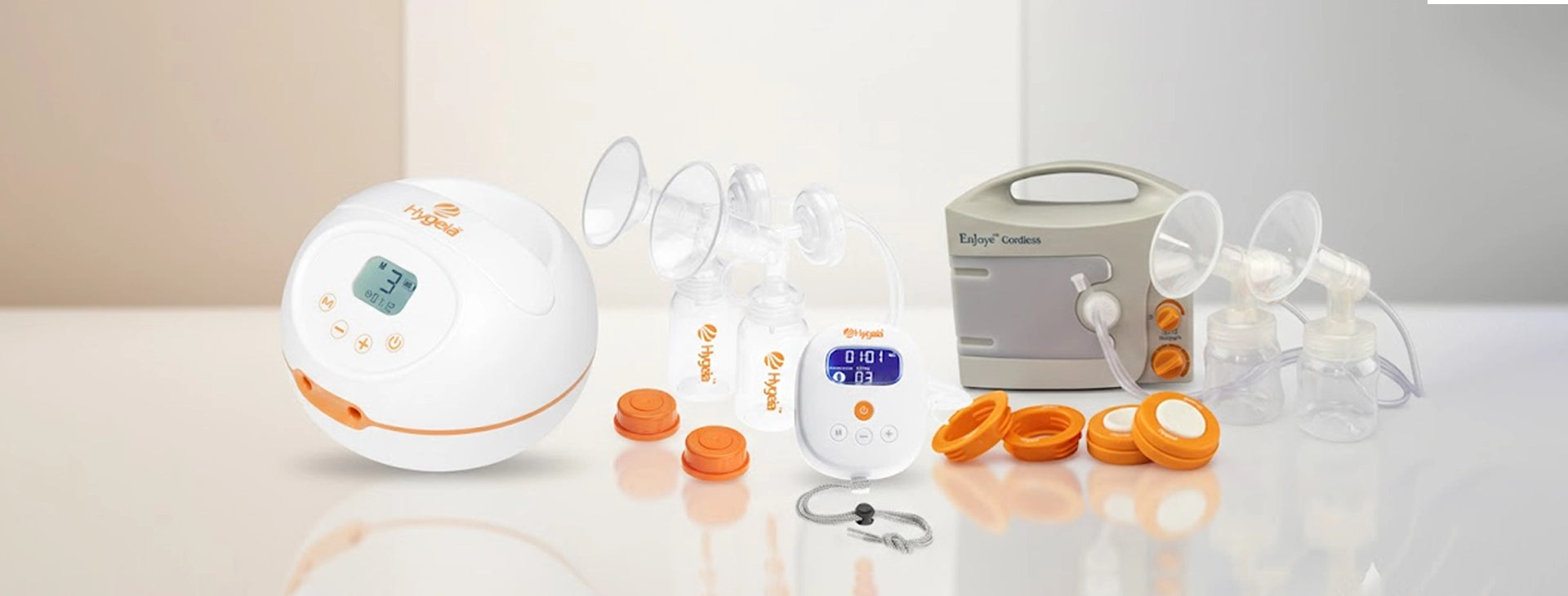
Let's look at the FIT Pro Cordless Double system as a prime example of what top rated breast pumps should look like. This system bridges the gap between traditional reliability and modern mobility. It allows you to use standard, comfortable flanges and bottles which many moms prefer because it's easier to verify actual milk output while running on a high-capacity rechargeable lithium-ion battery. You can pump in your car, at your desk, or even while cooking dinner, completely free from electrical cords.
When you are shopping through the different types of breast pumps, always check for battery lifespan, the inclusion of a digital display, and customizable suction levels. A truly top-tier machine won't just offer one single "high" setting. It will provide massive customization, giving you dozens of speed and suction combinations so you can dial in the perfect, pain-free setting for your unique body.
Which of the Breast Pump Types Is Practically Invisible? (Meet the Wearables)
If you thought cordless systems were amazing, wait until you experience the magic of true wearables. When we discuss the evolution of types of breast pumps, in-bra wearable systems represent the absolute cutting edge of maternal technology. These popular breast pumps take the heavy motor, the dangling bottles, and the annoying plastic tubing, and completely eliminate them from the equation.
Wearable units, like the highly acclaimed Esprit Wearable system, fit seamlessly and entirely inside your standard nursing bra. The motor and the milk collection cup are built into one singular, sleek, curved profile. You simply slip the device into your bra, press the power button on the top, pull your shirt back down, and go about your day. It is practically invisible. You can pump while attending a Zoom meeting, grocery shopping, or holding your baby without anyone being the wiser.
In the past, the main criticism of wearable breast pump types was that their tiny motors couldn't deliver clinical-strength suction. That is no longer true! The absolute top breast pumps in the wearable category now deliver up to 280 mmHg of suction. That means you are getting maximum, hospital-grade performance with zero compromises on mobility or discretion. If you want the ultimate pumping experience that doesn't disrupt your life, adding a high-powered wearable to your cart is the smartest decision you will make.
We Break Down the Most Popular Breast Pumps by Lifestyle
Still struggling to figure out which specific machine to choose after looking at the different types of breast pumps? The secret is matching the pump's specific strengths to your daily lifestyle. If you try to force a traditional pump into an ultra-mobile lifestyle, you will end up frustrated and exhausted.
- The Heavy-Duty Exclusive Pumper: If your baby does not latch or you are exclusively pumping 8 to 10 times a day, you need absolute, unwavering reliability. You should gravitate toward traditional hospital strength breast pumps like the Express, which feature incredibly durable, whisper-quiet tabletop motors designed to run thousands of hours without dropping in suction power.
- The Corporate Professional: If you are returning to a busy office where privacy is limited and schedules are chaotic, your best bet lies in the wearable types of breast pumps. These are completely tubeless, perfectly discreet, and allow you to pump right at your desk without drawing any attention.
- The Hybrid Balancer: If you breastfeed primarily at home but need a high-powered option for date nights, errands, or occasional shifts, look for cordless systems like the Express or FIT Pro. These are arguably the most popular breast pumps overall because they blend the robust suction of a traditional pump with the mobility of a rechargeable battery.
By defining exactly how you plan to spend your days, selecting the right machine out of the top rated breast pumps becomes incredibly straightforward. Don't compromise; buy the system that seamlessly fits the life you actually live.
Ready to Empower Your Pumping Journey?
Navigating the sea of different types of breast pumps doesn't have to be a stressful chore. You now possess the knowledge to identify exactly what separates a mediocre machine from a life-changing one. By aggressively prioritizing hospital strength breast pumps, focusing heavily on mobility, and refusing to compromise on your personal comfort, you are setting yourself up for incredible success.
Don't settle for less than you and your baby deserve. It is time to reclaim your time, maximize your milk supply, and experience the power of the absolute top rated breast pumps on the market. Scroll up, browse the most popular breast pumps available right now, select the model that perfectly matches your lifestyle, and confidently take the next step in your beautiful, rewarding breastfeeding journey today!
Frequently Asked Questions
Out of all the different types of breast pumps, which one produces the most milk?
Milk production heavily depends on the individual mother's body, flange fit, and pumping frequency. However, mathematically, hospital strength breast pumps with a dual-phase expression motor generally yield the highest milk output for the majority of women because they most accurately replicate a baby's deep nursing rhythm.
Are wearable systems considered top rated breast pumps by lactation consultants?
Historically, lactation consultants preferred traditional flange-and-bottle setups because they allowed for breast massage during pumping. However, as technology has advanced, modern wearables that feature strong, clinical-grade motors are now heavily endorsed as some of the top breast pumps available, specifically for moms who would otherwise skip pumping sessions due to scheduling conflicts.
How do I clean the different types of breast pumps?
Virtually all modern breast pump types utilize a "closed system" design, which means there is a physical silicone barrier (a backflow protector) that aggressively prevents milk from ever entering the tubing or the electronic motor. Because of this, you only ever have to clean the washable plastic parts (the flanges, valves, and bottles). The motors and the plastic tubing should never be washed in water.
Why are hospital strength breast pumps better than basic store-bought models?
Basic models often have smaller motors that rapidly degrade over time, leading to weak suction right when your baby needs more milk. Hospital strength breast pumps are designed with heavy-duty internal components built to endure the rigorous torment of exclusive pumping, ensuring your suction is just as flawlessly strong on day 300 as it was on day 1.