You're pregnant, you're on Medicaid, and someone tells you there's free baby stuff you can get through your coverage. You think: okay, but how does that actually work? This guide lays it all out in plain language , no insurance jargon, no runaround. A clear picture of everything Medicaid covers for expectant and new moms, and exactly how to claim each benefit. Whether you're preparing for birth or navigating your 1 month postpartum, 2 month postpartum, or 3 month postpartum journey, you'll get a clear picture of everything Medicaid covers for expectant and new moms, and exactly how to claim each benefit.
Medicaid finances more than 41% of all births in the United States, according to the Centers for Medicare and Medicaid Services, making it the single most important payer of maternity care in the country. That coverage goes far beyond doctor visits. A free breast pump, prenatal vitamins, mental health support, WIC food benefits, and in many states car seats, cribs, diapers, and gift cards tied to prenatal visits , are all part of what Medicaid and its managed care partners unlock for enrolled families.
If you want a broader look at freebies beyond insurance, our complete guide to free baby stuff for new moms covers registry boxes, brand samples, and other programs. For a detailed walkthrough of the Medicaid breast pump process specifically, including state-by-state coverage rules, see our guide to getting a free breast pump through Medicaid. This article covers all of it: the full Medicaid maternity benefits package, what to ask for, and how to get it.
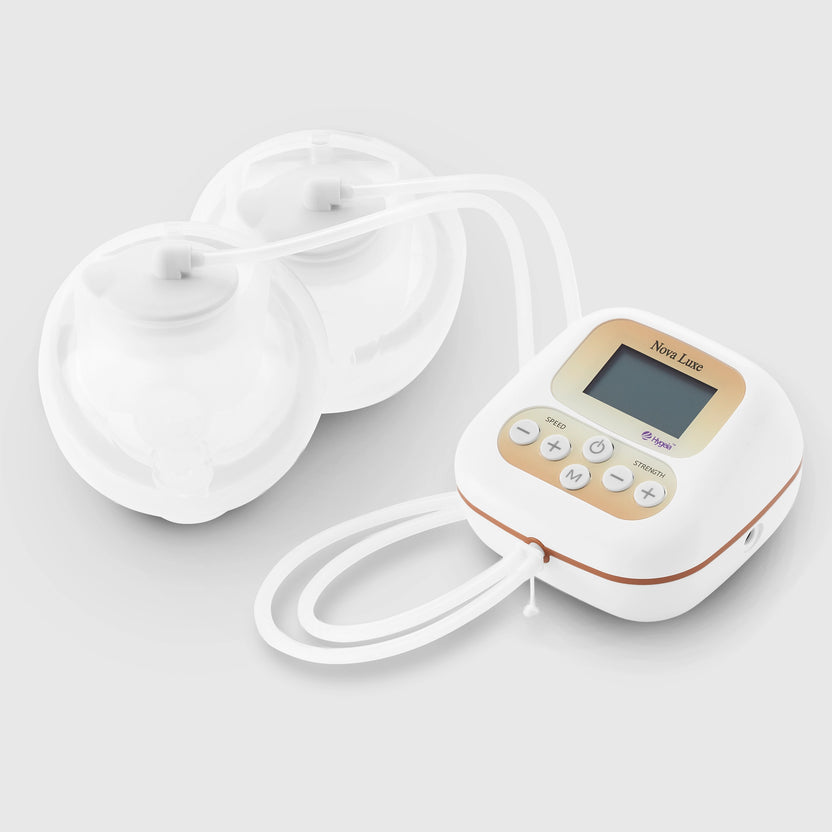
Before you scroll — claim the biggest freebie on this list
Your ACA insurance already covers a hospital-grade Hygeia pump. $0 out of pocket. Ships before baby arrives.
✓ Retail $259.99 — you pay $0
✓ 2 minutes. No card. No commitment.
✓ BCBS, Aetna, UHC, Cigna, Humana + 200 more
Join 250,000+ moms who paid $0 with insurance
Everything Medicaid Covers for Pregnant Women and New Moms
Here is the full picture of what Medicaid covers both the core medical benefits every enrolled mom can access, and the value-added extras that many moms never know to ask about.
1. A Free Breast Pump
Medicaid covers breast pumps in all states under federal guidelines, though the specific models and ordering process vary by state. Most plans cover a personal-use double electric breast pump at no cost through a Medicaid-contracted DME (Durable Medical Equipment) supplier. A breast pump prescription from your OB or midwife is typically required. For the full step-by-step process, see our Medicaid breast pump guide.
Hygeia has been the #1 top choice breast pump for over 10 years. All four pumps in our lineup — the Nova Luxe, Esprit, and Fit Pro — are insurance-eligible and deliver hospital-grade suction. Start at hygeiahealth.com/pages/insurance-form to check your Medicaid coverage.
Why Mothers and Experts Trust Hygeia
Celebrated by leading parenting and health organizations for innovation, efficiency, and mom-approved design.

Parents Pick Award
"Hospital-grade, cordless, hands-free pump designed for ultimate convenience and efficiency."
Mom's Choice Award
"It's cordless, rechargeable design lets you pump anytime, anywhere."

The Bump
"Best hospital-grade breast pump"
Baby Maternity
"In my humble but experienced opinion, the comparable pumps don't really compare."

The leaky Boob
"In my humble but experienced opinion, the comparable pumps don't really compare."
-
Hygeia Nova Luxe (View Pump): Hospital-grade suction up to 283 mmHg, customizable speed and suction strength, wearable cups, and fully cordless. Our most feature-rich pump, covered at $0 for most moms.
- Hygeia Esprit (View Pump): Esprit Wearable Breast Pump was designed for flexibility and simplicity without sacrificing power. Whether you’re at home, on a video call or out with your baby, you can pump comfortably and hands-free.
- Hygeia FIT Pro (View Pump): FIT Pro combines powerful suction, portability, and simplicity - ideal for moms who want a dependable double electric pump without complicated parts or wearable cup systems.
Claim My Free Breast Pump Through Medicaid
2. Prenatal and Postpartum Medical Care
Comprehensive prenatal care is a core Medicaid benefit in every state. That includes regular OB visits, ultrasounds, blood work, gestational diabetes testing, blood pressure monitoring, genetic counseling, flu and Tdap vaccines during pregnancy, and your hospital delivery. Postpartum care follow-up OB exams, well-woman visits, and ongoing management of pregnancy-related conditions is now covered for 12 months after birth in most states, a major expansion from the previous 60-day limit. Learn more at Medicaid.gov.
3. WIC Food and Nutrition Benefits
WIC (the Special Supplemental Nutrition Program for Women, Infants, and Children) is a separate program from Medicaid, but if you're enrolled in Medicaid, you automatically meet WIC's income eligibility requirement. According to the USDA Food and Nutrition Service, that automatic qualification covers pregnant women, postpartum women up to six months after birth, breastfeeding moms up to the baby's first birthday, and children under five in the household.
What WIC provides:
- Monthly food benefits via EBT card: fruits, vegetables, whole grains, dairy, eggs, peanut butter, beans
- Iron-fortified infant formula for up to one year if your baby isn't fully breastfed
- Breastfeeding support through WIC peer counselors and lactation specialists
- Nutrition counseling and referrals to local programs
- In some states: vouchers for diapers, car seats, or other baby supplies through local WIC offices

Apply for WIC separately from Medicaid through your local WIC office. Enrollment is open to pregnant women immediately and takes about one appointment.
4. Car Seats, Cribs, Diapers, and Baby Gear Through Managed Care Plans
This is the category most moms completely miss. Many Medicaid managed care organizations (MCOs) run value-added benefit programs that provide physical baby items and gift cards tied to prenatal visit milestones. These aren't part of your core Medicaid coverage they're extras offered by the specific MCO running your plan.
Examples of what MCO incentive programs have included:
- Free car seat or portable crib: Some MCOs offer a free car seat or pack-n-play when you complete your first prenatal visit in the first trimester. Carolina Complete Health in North Carolina, for example, offers new parents a choice between a car seat or a portable crib, plus diapers.
-
Gift cards for baby essentials: Molina Healthcare's pregnancy rewards program, active in multiple states, provides gift cards redeemable for car seats, formula, diapers, wipes, and pack-n-plays at Walmart. Blue Cross Blue Shield of Texas offers a $150 reward card for baby items when enrolled moms complete prenatal check-ins.

- Free diapers and wipes: Some state MCOs include diapers and wipes in their prenatal care completion rewards. Availability and amounts vary by state and plan.
-
Baby shower events: Several MCOs host free community baby showers with education sessions and take-home baby supply packages for enrolled members.
To find out what your specific MCO offers, call the member services number on your Medicaid card and ask about value-added benefits or prenatal incentive programs. You won't receive these automatically you have to ask and enroll in the program.
5. Postpartum Mental Health Care
Postpartum depression and anxiety disorders affect one in seven mothers nationwide, according to NAMI (National Alliance on Mental Illness), making it the most common complication of pregnancy. Medicaid is the single largest payer of behavioral health care in the U.S., and almost all state Medicaid programs cover postpartum depression screenings and treatment.
What's covered under most Medicaid plans:
- PPD screenings at postpartum OB visits and well-baby pediatric visits
- Outpatient therapy and counseling with a licensed mental health provider
- Prescription medication for postpartum depression and anxiety
- Referrals to psychiatrists and behavioral health specialists

If you're experiencing postpartum depression, anxiety, or emotional distress, you don't have to wait or pay. Bring it up at your next appointment or call your Medicaid plan's behavioral health line. The Postpartum Support International helpline (1-800-944-4773) is also a free resource available to any mom.
6. Lactation Counseling and Breastfeeding Support
Under federal Medicaid policy, most state plans cover breastfeeding support and counseling, including consultations with an International Board Certified Lactation Consultant (IBCLC). If you're having trouble with latch, milk supply, or pumping output, this benefit is worth using it's exactly what it's there for. Through Hygeia's partnership with Nest Collaborative, you can book a virtual IBCLC-led session that's often covered. Learn more at hygeiahealth.com/pages/lactation-assistance.
Schedule a Lactation Appointment
7. Prenatal Vitamins and Prescription Medications
Most Medicaid plans cover prescription prenatal vitamins at low or no cost. Ask your OB to write a prescription and fill it at your pharmacy. Prescription medications for conditions that arise or continue during pregnancy thyroid conditions, hypertension, gestational diabetes management, antidepressants are also covered under your Medicaid pharmacy benefit.
8. Maternity Compression Garments
Some Medicaid plans cover maternity compression stockings and support garments when prescribed for a medical condition such as edema, varicose veins, or circulation issues during pregnancy. Coverage varies by state and requires a prescription and medical necessity documentation. Ask your OB whether your plan covers these. If it does, Hygeia carries maternity support garments including compression stockings and belly bands designed for pregnancy comfort.
9. SNAP Food Benefits (If You Also Qualify)
SNAP (Supplemental Nutrition Assistance Program) is not part of Medicaid or WIC but many families who are on Medicaid qualify. SNAP gives you a monthly grocery benefit on an EBT card to buy food for your household. Income limits are similar to those for Medicaid. Apply through your state's SNAP agency or ask your Medicaid caseworker to make a referral.
10. Transportation to Medical Appointments
Most Medicaid plans have a non-emergency medical transportation (NEMT) benefit that covers free rides to prenatal visits, postpartum appointments, WIC offices, and other covered medical services. Some MCOs also offer bus passes. To schedule a ride or check on your transportation benefit, call your member services line. The CMS NEMT guidelines require the inclusion of this benefit in most state plans.
Who Qualifies for Medicaid During Pregnancy?
Medicaid is a joint federal and state health insurance program for low- and moderate-income individuals, and eligibility expands significantly during pregnancy. If you're expecting and haven't checked whether you qualify, it's worth a five-minute application , many moms are surprised to find they do.
Medicaid Pregnancy Eligibility at a Glance
Income thresholds vary by state, but in most states pregnant women qualify up to 138% to 200% of the federal poverty level. Some states go higher. What you'll generally need:
- Active pregnancy confirmed by a healthcare provider
- Income within your state's threshold for pregnant women
- U.S. citizenship or qualifying immigration status
- Residency in the state where you're applying
Apply through your state's Medicaid website, your local Department of Social Services, or Healthcare.gov. Many states process pregnancy Medicaid applications within 24 to 48 hours. Coverage can be backdated up to three months before your application date, so apply as early as possible.
Once enrolled, Medicaid coverage continues through the end of your pregnancy and, in most states, for 12 months postpartum. That 12-month window matters because many of the best benefits , the breast pump, lactation support, postpartum mental health care are accessed during this period.
How to Claim Your Free Baby Stuff Through Medicaid: Step by Step
Most Medicaid benefits don't come to you automatically. You have to know what to ask for and who to ask. Here's how to work through it.
- Enroll in Medicaid as early as possible. Coverage can backdate up to three months, but the sooner you're enrolled, the sooner you can access all benefits. Apply at Healthcare.gov or your state Medicaid office.
- Call your Medicaid plan's member services line and ask two specific questions: (1) What value-added or prenatal incentive benefits does my plan include? (2) Which DME suppliers are in-network for breast pump orders?
- Enroll in your MCO's prenatal program. Most managed care plans require you to actively register they don't enroll you automatically. Ask for the maternity program, prenatal care program, or whatever your plan calls it.
- Apply for WIC at your local WIC office. Bring your Medicaid card it satisfies the income requirement. You'll be enrolled in about one appointment.
- Request a prescription from your OB. You'll need one for your breast pump and potentially for compression garments, prenatal vitamins, or other covered DME items.
- Order your breast pump through a Medicaid-contracted DME supplier. Hygeia's insurance verification team can handle this for you start at hygeiahealth.com/pages/insurance-form.
-
Ask about SNAP if you haven't already. Your Medicaid caseworker can often refer you directly, or apply at your state's SNAP agency website.

Hygeia Breast Pumps Available Through Medicaid
All four Hygeia pumps are insurance-eligible, and our team can verify which models your state Medicaid plan covers. Here's a quick overview so you know what to ask for.
| Model | Price | Key Features | Insurance Eligible |
|---|---|---|---|
| Nova Luxe (Flagship) | $259.99 | Hospital-grade, cordless, top choice for 10 years | Yes |
| Esprit | $239.99 | Hospital-strength, cordless, wearable, whisper-quiet | Yes |
| Fit Pro | $174.99 | Cordless, dual-phase, rechargeable, includes accessory set | Yes |
Not sure which pump your Medicaid plan will cover? Fill out Hygeia's insurance verification form and our team will check your specific plan, handle the DME paperwork, and walk you through your options.
Insurance Plans We Work With


How to Claim Your Free Breast Pump
Complete our online insurance verification form. You will need your insurance card.
Choose your Hygeia pump from the options covered under your plan.
We handle the paperwork, verify your prescription and deliver your breast pump.
Most plans allow you to order starting at 30 weeks gestation. Order 30 to 60 days before your due date so the pump is ready before baby arrives. Check your full insurance coverage here. You can also check what free baby stuff you will get through Medicaid.
What to Do if a Medicaid Claim Is Denied
Denials occur, but most are fixable. Here's what to do in the most common situations.
- Billing code error: Request that your DME verify the HCPCS code billed on the claim and resubmit with the correct code. This is the most common reason a breast pump is denied.
- Missing prescription: If the DME submits a claim without your provider's prescription on file, have your OB resend it and ask the DME to resubmit.
- Outside of the eligible window: Check with your DME for your plan's specific ordering window before reordering.
- Upgrade to a higher model: If your plan covers only a base model but you want a wearable pump, ask about upgrade pricing. The difference is often payable out of pocket, and FSA or HSA funds can typically be used.
- Appeal: Request a written explanation of any denial, compare it to your Summary of Benefits, and file a formal appeal with documentation. Most states also have a Medicaid grievance and appeals process.
- Contact Hygeia: If you're stuck on a denial, our team has navigated this process for thousands of moms. Start at hygeiahealth.com/pages/insurance.
How to Apply for WIC as a Medicaid Enrollee
For Medicaid enrollees, the WIC application is shorter because income verification is automatic. Here's what to expect:
- Use the USDA WIC agency locator to find your local WIC office, or ask your OB's office for a referral.
- Call to make an appointment. Many offices take walk-ins, but calling ahead saves you waiting time.
- Bring your Medicaid card, a photo ID, proof of pregnancy or your baby's birth certificate, and proof of residency such as a utility bill or lease.
- Complete a short health screening. A WIC staff person will weigh you, measure your height, and check your haemoglobin level to help determine your benefits. This is required of all new enrollees.
- Get your EBT benefits card and any community program or local lactation support referrals.
WIC is available to pregnant women and new mothers up to six months after delivery. Breastfeeding moms can continue up to the baby's first birthday. Children in the household are eligible up to age five.
Frequently Asked Questions
What free baby stuff can I get through Medicaid?
Medicaid and its managed care partners cover a range of free baby items and services: a breast pump (in all states under federal guidelines), prenatal and postpartum medical care, lactation counseling, prescription prenatal vitamins, and postpartum mental health treatment. Many Medicaid managed care plans also offer value-added incentives such as car seats, portable cribs, diapers, wipes, formula, and gift cards tied to completing prenatal visits. Benefits vary by state and by your specific managed care plan.
Does Medicaid cover car seats and cribs for babies?
Not through the core Medicaid benefit, but many Medicaid managed care organizations (MCOs) offer car seats, portable cribs, and other baby gear through their prenatal incentive programs. Examples include Molina Healthcare's pregnancy rewards program (active in Iowa, Nevada, and other states), Carolina Complete Health in North Carolina, and New Hampshire Medicaid MCOs. Call your plan's member services line and ask specifically about value-added maternity benefits or prenatal programs. More details at Medicaid.gov.
Does Medicaid cover diapers?
Standard diapers for healthy infants are not covered under core Medicaid. However, diapers may be covered when medically necessary through the EPSDT (Early and Periodic Screening, Diagnostic, and Treatment) benefit if a child has a diagnosed condition requiring them. Additionally, some MCO incentive programs include diapers and wipes as part of prenatal care completion rewards. WIC programs in some states also refer families to local diaper banks.
Does Medicaid cover postpartum depression treatment?
Yes. Almost all state Medicaid programs cover postpartum depression screenings and treatment, including therapy, counseling, and prescription medication. According to MACPAC, approximately 20% of postpartum women experience mental health conditions. Medicaid is the single largest payer of behavioral health care in the U.S. If you're experiencing postpartum depression or anxiety, bring it up at your next appointment or call your plan's behavioral health line.
How do I get free baby stuff through Medicaid if I don't know where to start?
Start with two phone calls: one to your Medicaid plan's member services line to ask about value-added maternity benefits and prenatal programs, and one to your local WIC office to start the WIC application (Medicaid enrollment makes you automatically income-eligible). For your breast pump specifically, fill out Hygeia's insurance verification form and our team handles the rest.
Does Medicaid cover breastfeeding support and lactation consultants?
Yes, under federal Medicaid policy most state plans cover breastfeeding support and counseling, including IBCLC (International Board Certified Lactation Consultant) sessions. If you're having trouble breastfeeding or pumping, ask your OB or Medicaid plan to refer you to a lactation consultant. Hygeia's partnership with Nest Collaborative also offers virtual IBCLC consultations that are often covered by insurance.
Can I get WIC and Medicaid at the same time?
Yes. WIC and Medicaid are separate programs and you can be enrolled in both at the same time. Medicaid pays for medical care and equipment; WIC covers food benefits and nutrition support. If you receive Medicaid, you automatically meet WIC's income eligibility requirement, making the WIC application easier. Learn more at fns.usda.gov/wic/eligibility.
Does Medicaid cover maternity support garments and compression stockings?
Coverage varies by state. Some Medicaid plans cover maternity compression garments when a provider prescribes them for a medical condition such as edema, varicose veins, or circulation support during pregnancy. Ask your OB whether your plan includes this benefit and whether a prescription is needed for approval.
You've Earned These Benefits — Start Claiming Them
Medicaid covers more than most moms realize: a hospital-grade breast pump, comprehensive prenatal and postpartum care, WIC food benefits, postpartum mental health support, and in many states, free car seats, cribs, and baby gear through your managed care plan's incentive programs. Most of it costs you nothing. But you do have to ask for it.
For your breast pump, Hygeia has helped thousands of moms navigate the Medicaid process with 2,887+ verified reviews at 4.9/5 stars. Fill out our insurance verification form and our team will verify your Medicaid coverage, handle the DME paperwork, and walk you through your covered pump options. Or explore our full breast pump lineup to find the model that fits your life. Moms deserve more, and knowing your benefits is where it starts.