Your insurance covers a breast pump. Most moms know that much. What fewer moms realize is that the pump that's right for them depends entirely on how they plan to pump, and that the difference between a pump that supports your supply and one that quietly undermines it often comes down to one spec: hospital-grade suction. If you're building out your baby registry, it's worth pairing it with our free baby stuff for new moms guide to stack up freebies alongside what you're already planning to buy, and if you're on Medicaid, our free baby stuff through Medicaid guide covers additional state-specific freebies you may qualify for. And if you're not sure what your plan requires before you order, our breast pump prescription guide walks through exactly what your provider needs to write.
Before you scroll — claim the biggest freebie on this list
Your ACA insurance already covers a hospital-grade Hygeia pump. $0 out of pocket. Ships before baby arrives.
✓ Retail $259.99 — you pay $0
✓ 2 minutes. No card. No commitment.
✓ BCBS, Aetna, UHC, Cigna, Humana + 200 more
Join 250,000+ moms who paid $0 with insurance
This guide organizes the best insurance-covered breast pumps by use case, not by popularity or price. Each section includes the best Hygeia pick and the strongest competitor for that specific situation with honest trade-offs on both. All three Hygeia pumps appear in this list because they're the only insurance-eligible pumps that deliver hospital-grade suction in a personal-use design. Check your insurance eligibility before you read so you know what your plan actually covers.
How a Breast Pump Actually Helps With Low Milk Supply
Milk production runs on supply and demand. Every time milk is removed from the breast, your body reads that as a signal to make more. When milk sits in the breast too long, a protein called the Feedback Inhibitor of Lactation (FIL) tells your body to slow production down, which is why frequent, thorough removal matters more than any single feature on a spec sheet.
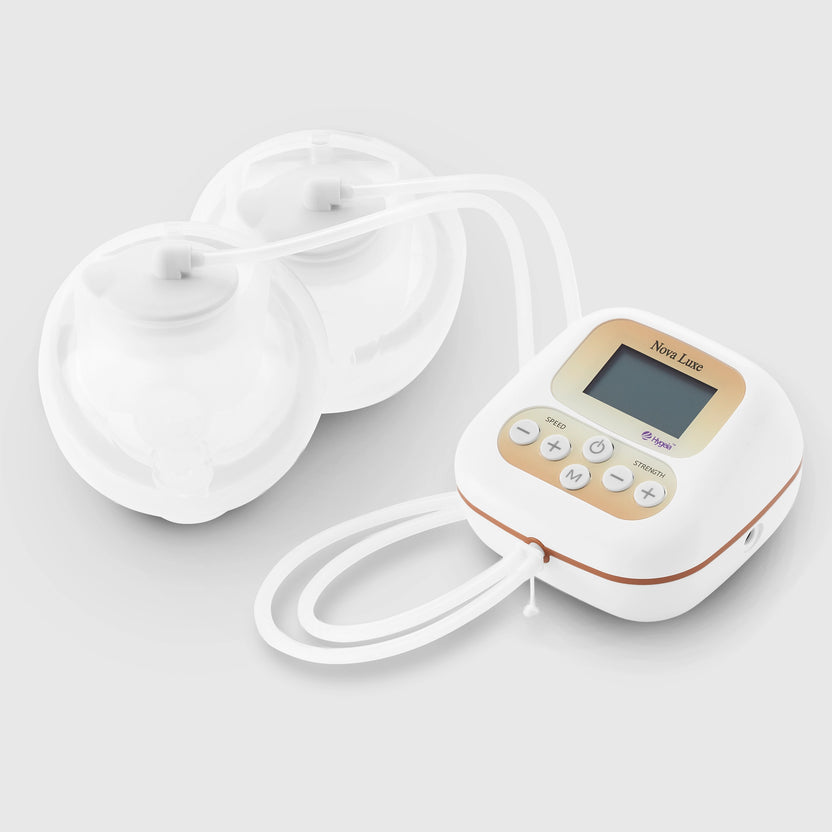
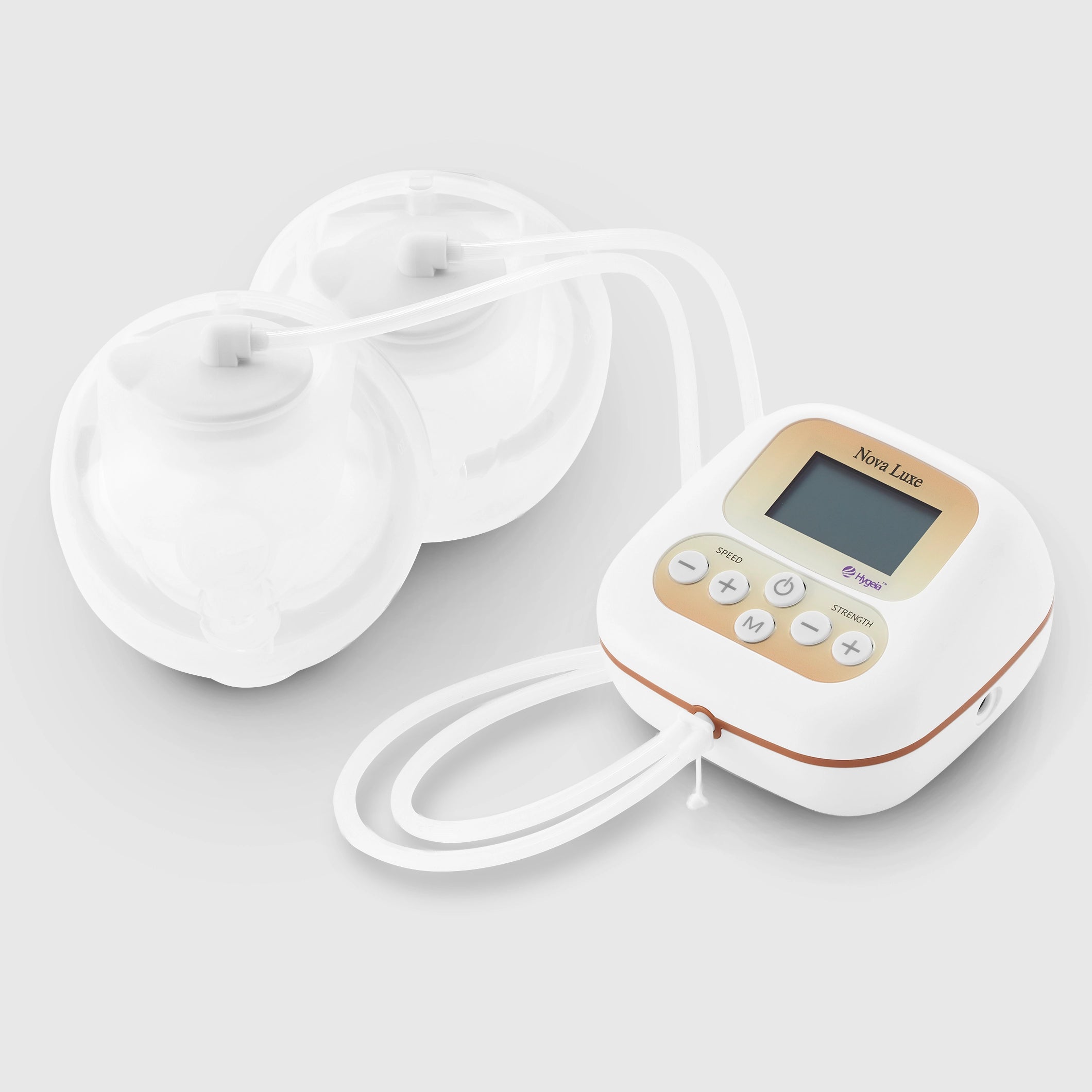
A hospital-grade pump supports that process in three ways: it delivers consistent suction that mimics a baby's natural nursing pattern and keeps prolactin elevated, it drains the breast more completely than an inconsistent or poorly fitted pump can, and it does this comfortably enough that you'll actually stick with a pumping schedule. One important note: cranking suction to the highest setting doesn't pull more milk. Suction that's too strong for your comfort can cause tissue swelling that pinches milk ducts closed, lowering output instead of raising it. The goal is the highest setting you can tolerate comfortably, which is exactly why a wide adjustable range matters. The Nova Luxe adjusts up to 283 mmHg with independent speed and strength controls, so you can find your own comfortable maximum instead of guessing between two or three presets.
All Best Pumps at a Glance
All three Hygeia pumps are shown separately below since coverage and upgrade fees can vary model to model, even within the same brand.

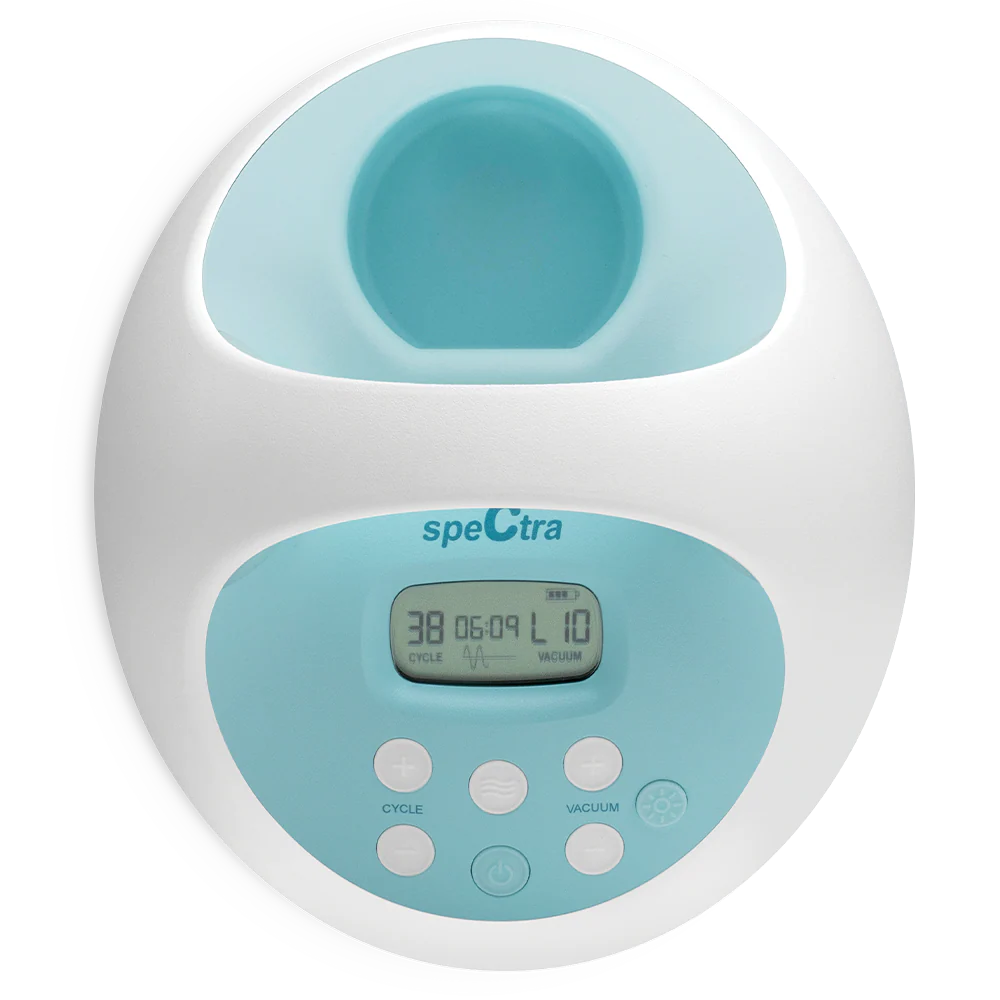
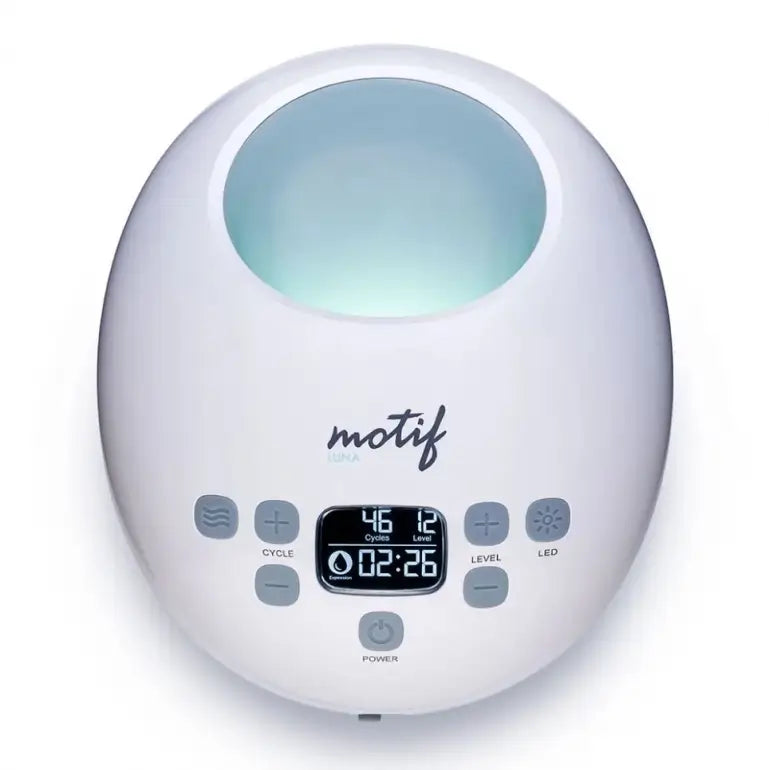
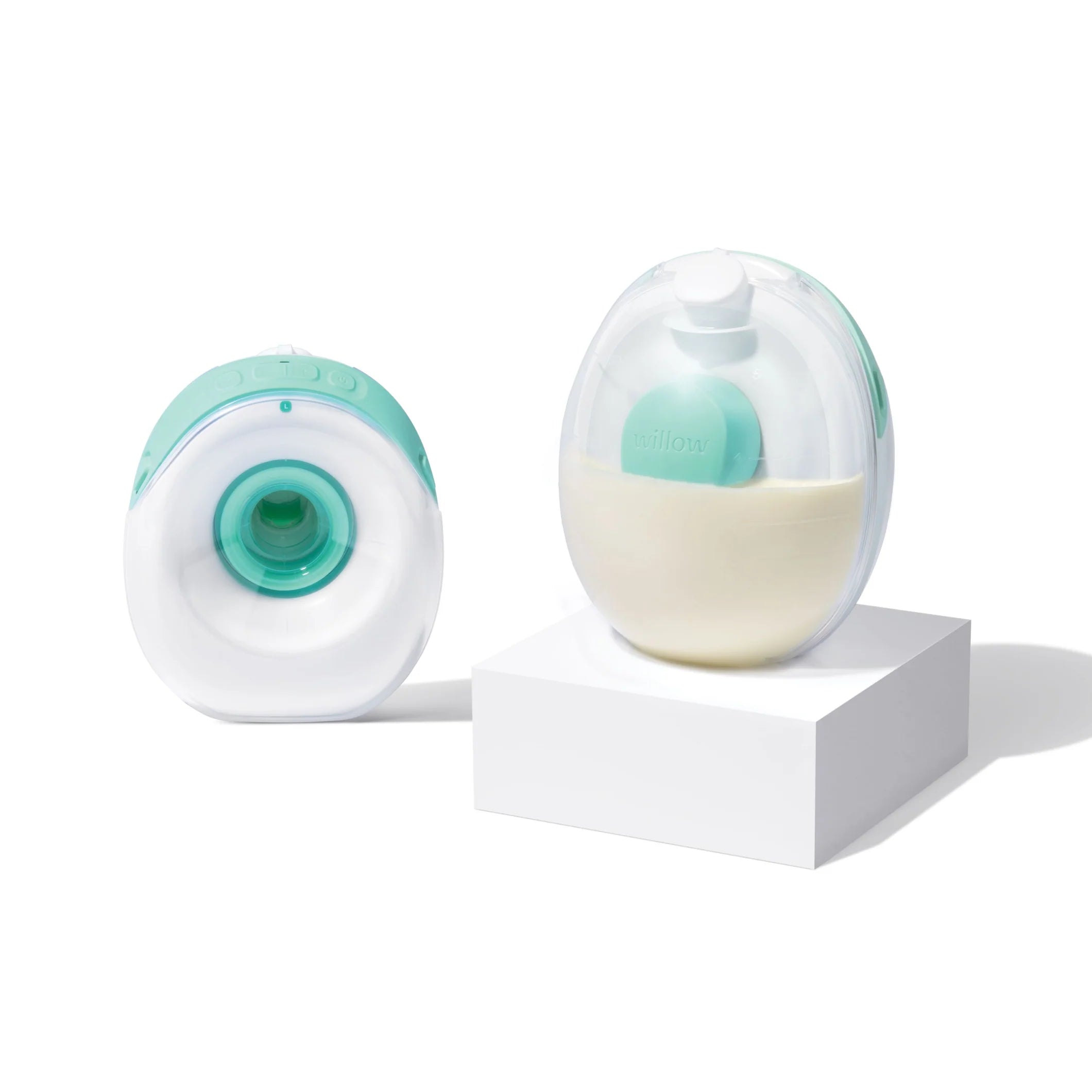
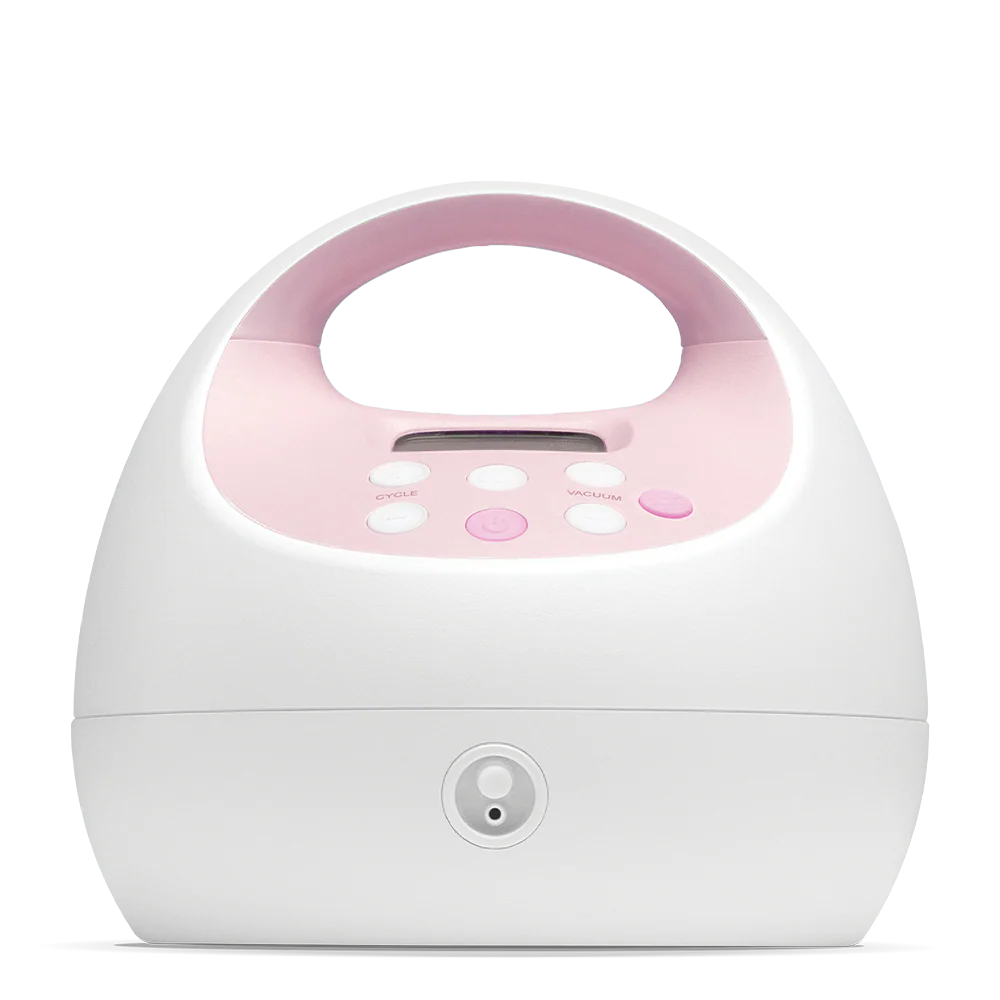
Best Overall - Hospital-Grade Performance
Hygeia Nova Luxe - Best Overall
Best for: Any mom who wants the highest-performing insurance-covered pump with hospital strength suction, wearable design, full features, $0 for most plans
The Nova Luxe has Hygeia's most customizable settings with adjustable suction levels, dual-phase cycling that mimics natural nursing, and Bluetooth connectivity to the free Hygeia Baby app for session tracking and output logging over time. The closed-system design prevents backflow contamination. It's rechargeable, cordless, and built to hold up to whatever pumping schedule you land on.
With 2,887+ verified reviews at 4.9/5 stars and a 10-year track record as the #1 choice for pumping moms, the Nova Luxe is the answer to the question: if I could only pick one pump, which one do I want? If you're unsure which Hygeia model fits your specific situation, a virtual IBCLC consultation through Nest Collaborative is covered by most insurance plans and available from home. If your provider hasn't written your prescription yet, our breast pump prescription guide covers exactly what to ask for.
- Insurance: $0 for most plans
- Suction: Hospital-grade, closed system
- Design: Wearable + rechargeable + app-connected + maximum customization
- Limitation: Premium price point with insurance benefit removes it for most moms
Best for Working Moms - Hands-Free and Wearable
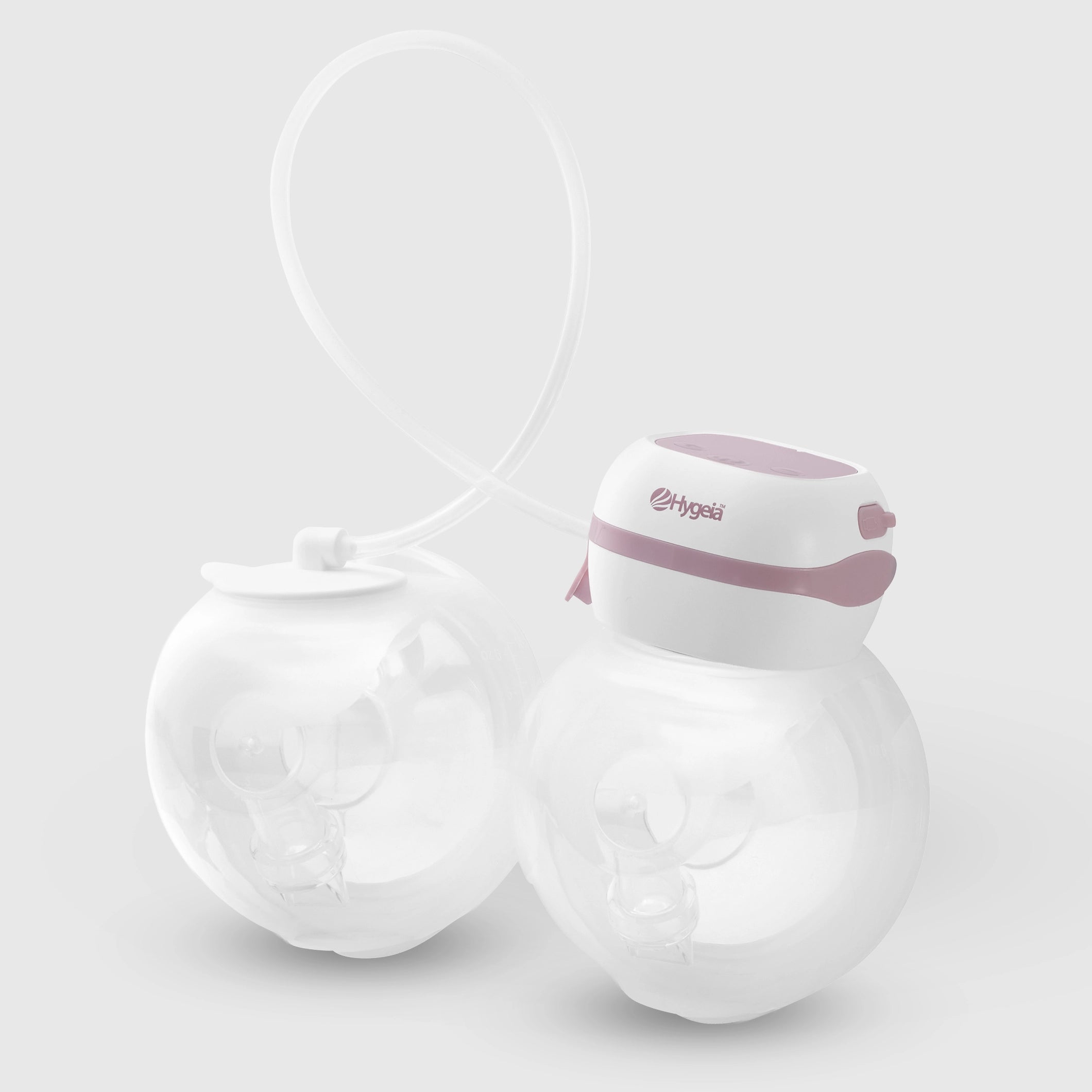
Hygeia Esprit - Best Hospital Strength Wearable for Working Moms
Best for: Working moms who need hospital strength suction in a hands-free, in-bra pump at $0
The Esprit maintains hospital strength suction inside a fully in-bra wearable with no external motor box, no tubing running under your shirt, no visible equipment during a video call or a meeting. It's rechargeable and quiet. The closed system keeps milk away from the motor. Session data syncs to the Hygeia Baby app automatically. Frequency matters more than any single session for building supply, and a discreet, hands-free design like this is what makes five or six sessions a day realistic while you're working. Explore the Hygeia Esprit here.
- Insurance: $0 for most plans
- Suction: Hospital strength, closed system
- Design: Fully in-bra wearable, rechargeable, app-connected
- Limitation: Similar price to Nova Luxe, choose Esprit for wearable-first priority, Nova Luxe for maximum customizable settings
Best Portable and Cordless Pumps
Hygeia Fit Pro - Best Cordless Portable Pump
Best for: Moms who pump across multiple locations and want hospital strength suction in a lightweight, cordless, rechargeable design at $0
The Fit Pro is Hygeia's most portable model, rechargeable, cordless, and light enough to move anywhere without losing hospital strength suction. At $174.99, it's the most affordable Hygeia pump and covered at $0 through most plans. Explore the Hygeia Fit Pro here.
- Insurance: $0 for most plans and most affordable Hygeia model
- Suction: Hospital strength, closed system
- Design: Cordless, rechargeable, portable, app-connected
- Limitation: Fewer premium settings than Nova Luxe, right trade-off for most moms who want portability over max customization
Best for First-Time Moms and Budget-Conscious Moms
Hygeia Fit Pro - Best Insurance Value for First-Time Moms
Best for: First-time moms who want a hospital strength starting point at the lowest price in the Hygeia lineup
First-time moms are often making this decision without knowing what kind of pumping schedule they'll land on. The Fit Pro is the right starting pump for that uncertainty, hospital strength enough to protect your supply, portable enough to fit into any routine, and $0 for most insured moms. As your pumping needs evolve, the full Hygeia lineup is available if you want to upgrade. Check your coverage here.
- Insurance: $0 for most plans
- Suction: Hospital strength, closed system
- Design: Cordless, rechargeable, portable with lowest price in Hygeia lineup
- Limitation: Fewer settings than Nova Luxe or Esprit, right trade-off for a starting pump
The Full Hygeia Lineup - All Three Pumps Compared
Every Hygeia pump is insurance-eligible and hospital-grade. All are available at hygeiahealth.com/collections/breast-pumps.
| Pump | Price | Design | Best For | Insurance |
|---|---|---|---|---|
| Nova Luxe | $259.99 | Wearable + full-feature | Best overall, max customization, premium settings | $0 most plans |
| Esprit | $239.99 | Wearable in-bra | Working moms, hospital strength, hands-free | $0 most plans |
| Fit Pro | $174.99 | Cordless + portable | Portability + first-time moms, best insurance value | $0 most plans |
Not sure which model fits your situation? Book a free lactation consultation here.
Power Pumping: How to Use Your Pump to Build Supply Faster
Power pumping, also called cluster pumping, mimics the way a baby cluster feeds during a growth spurt. Instead of one steady session, you pump in short bursts with brief rests between them, which keeps prolactin elevated and pushes your body toward a higher supply.
- Pump for 20 minutes. Use your double electric pump at the highest suction level that still feels comfortable.
- Rest for 10 minutes. Gentle breast massage or hand expression during this window can help.
- Pump 10 minutes, rest 10 minutes, then pump a final 10 minutes. The full cycle takes about an hour.
- Repeat once daily for 5 to 7 days. Most moms who respond to power pumping notice a change within that window, though some need longer and some see little change at all. It's meant to sit alongside your regular routine, not replace it.
Power pumping works best with a double electric pump that holds hospital-grade suction through a full session without losing strength, correctly fitted flanges, and a schedule you can realistically repeat daily for a week.
Why Mothers and Experts Trust Hygeia
Celebrated by leading parenting and health organizations for innovation, efficiency, and mom-approved design.

Parents Pick Award
"Hospital-grade, cordless, hands-free pump designed for ultimate convenience and efficiency."
Mom's Choice Award
"It's cordless, rechargeable design lets you pump anytime, anywhere."

The Bump
"Best hospital-grade breast pump"
Baby Maternity
"In my humble but experienced opinion, the comparable pumps don't really compare."

The leaky Boob
"In my humble but experienced opinion, the comparable pumps don't really compare."
How to Get Any of These Insurance Approved Pumps
The process is the same regardless of which pump you choose:

- Check your benefits. Log into your insurance portal or call member services. Ask about breast pump coverage, which DME suppliers are in-network, and what the base-covered model is.
- Get a prescription. Your OB-GYN or midwife writes one for a "double electric breast pump." Request this at any prenatal visit from week 28 onward. See the full breakdown on our breast pump prescription page for exactly what the note needs to say.
- Choose your pump. If it's on your plan's covered list, it's $0. If it requires an upgrade, you pay only the difference, HSA and FSA funds apply.
- Place your order. For Hygeia pumps, start at hygeiahealth.com/pages/insurance, eligibility verification and ordering are handled in one place.
- Receive your pump. Most orders ship within a few business days. Start at least 4 to 6 weeks before your due date.
Insurance Plans We Work With


How to Claim Your Free Breast Pump
Complete our online insurance verification form. You will need your insurance card.
Choose your Hygeia pump from the options covered under your plan.
We handle the paperwork, verify your prescription and deliver your breast pump.
Most plans allow you to order starting at 30 weeks gestation. Order 30 to 60 days before your due date so the pump is ready before baby arrives. Check your full insurance coverage here. You can also check what free baby stuff you will get through Medicaid.
Getting Your Breast Pump Prescription Handled
Almost every insurance plan requires a breast pump prescription or a short letter of medical necessity before a DME supplier can process your order. The note itself is simple: confirmation that you're pregnant or breastfeeding, your provider's signature, and sometimes a specific pump model if you're requesting one by name. Most OBs, midwives, and pediatricians can write it in under two minutes at any prenatal or postpartum visit.
Timing matters more than most moms expect. Requesting your prescription too early can mean your insurer won't process the order yet, and requesting it too late can push your pump's arrival past your due date. Most plans start accepting requests around the third trimester, with delivery timed 30 to 60 days before your due date, so ask your provider at your week 28 to 32 visit if you haven't already.
When you order through Hygeia, our team can confirm exactly what documentation your specific plan requires and coordinate directly with your provider so the request moves without back and forth on your end. Read the full breakdown on the breast pump prescription page for what to expect and when to request yours.
Lactation Assistance Through Insurance
Most insurance plans cover lactation consultant visits at no extra cost under the same ACA preventive care mandate that covers your pump. Hygeia partners with Nest Collaborative for virtual IBCLC-led consultations, often covered in full by insurance, with no driving and no weeks-long wait for an in-person appointment.
A lactation consultation is worth booking whether or not you're having trouble. It's the fastest way to confirm your flange size fits correctly (a poor fit is one of the most common reasons a pump feels less effective than it should), dial in your pump settings for your specific model, and troubleshoot latch, supply, or scheduling questions before they become bigger problems. This applies to any of the pumps on this list, not just Hygeia's.
Understanding Your Insurance Coverage: What the ACA Actually Requires
The Affordable Care Act requires most private insurance plans to cover a breast pump as a preventive health benefit, but the mandate leaves a lot of the details up to individual plans. Coverage typically kicks in once per pregnancy, though the timing of when you can order varies by insurer, some allow requests starting in the third trimester, others only release the benefit after delivery.
Plans aren't required to cover every pump on the market. Instead, each insurer works with a list of durable medical equipment (DME) suppliers and a formulary of approved models. If a plan's covered list only includes a basic personal-use pump, you can typically still get a higher-tier model by paying the difference in cost, often through HSA or FSA funds.
Grandfathered health plans (plans that existed before the ACA took effect and haven't changed significantly) are exempt from this requirement, and Medicaid coverage varies by state. If you're unsure which category your plan falls into, your insurance card or member services line can tell you within a few minutes.
How Long Does It Take to Get Your Insurance-Approved Pump?
- Getting your prescription: Same day to a few days, most providers write it at a routine visit
- Verifying benefits: Same day if you call member services directly, up to a few days if submitted online
- Insurer or DME processing: 3 to 10 business days on average, depending on your plan
- Shipping: A few business days after approval for most in-network DME suppliers
- Total time from start to finish: 1 to 3 weeks in most cases
Because of this timeline, order early. Starting the process around week 28 to 32 of pregnancy usually means your pump arrives well before your due date, so you're not troubleshooting insurance paperwork while also caring for a newborn.
Your Postpartum Pumping Timeline: Month by Month
Getting your pump approved is only the first step. What your body and your pumping routine need shifts noticeably across the first three months postpartum, and Hygeia's postpartum guide breaks each stage down in detail.
1 Month Postpartum
The first month is about healing and letting your milk supply regulate. This is also when engorgement is most common, so getting your prescription and pump set up before it hits makes a real difference. If your pump hasn't arrived yet, a hand expression technique from your lactation consultant can help in the meantime.
2 Months Postpartum
By the second month, most moms are settling into a pumping rhythm and starting to build a freezer stash. This is also a common point to reassess flange fit as your body changes, an ill-fitting flange is one of the top reasons output drops even when supply hasn't actually changed.
3 Months Postpartum
The third month often lines up with a return to work or a more predictable schedule. It's a good checkpoint to loop in a lactation consultant if supply or comfort issues have come up, and to confirm your pump's settings still match your new routine.
Whichever postpartum month you're in, you can still use your insurance benefit for a pump as long as your plan's benefit window is open.
Frequently Asked Questions
What is the best breast pump covered by insurance?
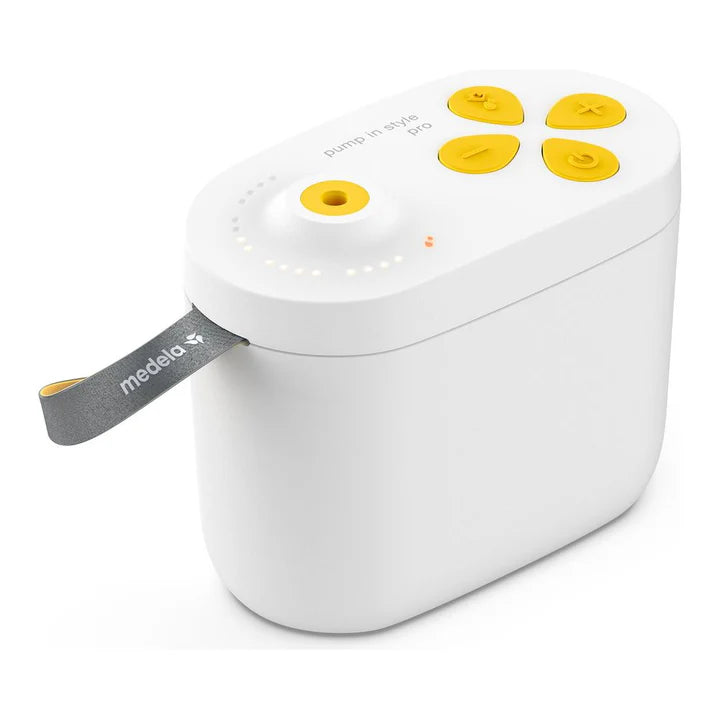
The best insurance-covered pump depends on how you plan to pump. For hospital-grade performance, any Hygeia pump (Nova Luxe, Esprit or Fit Pro) is insurance-eligible at $0 for most moms. For a traditional hospital-grade double electric, the Spectra S1 Plus is widely covered at $0.
What is the best insurance-covered breast pump for exclusively pumping moms?
EP moms need hospital-grade suction, a closed system, and a pump built for 8 to 12 daily sessions. The Hygeia Esprit delivers this with a complete Personal Accessory Set kit, wearable flexibility, and $0 coverage for most plans.
What is the best insurance-covered breast pump for working moms?
Working moms need a pump that fits real workday conditions, quiet, hands-free, no visible equipment. The Hygeia Esprit is a hospital strength wearable covered at $0 for most plans.
What is the best insurance-covered breast pump for first-time moms?
The Hygeia Fit Pro delivers hospital strength suction in a cordless, portable design at $174.99 retail and most plans cover it at $0.
Is the Spectra S1 Plus covered by insurance?
Yes. The Spectra S1 Plus is one of the most widely covered breast pumps in the US under the ACA mandate. Most major insurance plans include it at $0 through an approved DME supplier.
How do I get a free breast pump through insurance?
Under the ACA, most insurance plans cover at least one breast pump per pregnancy at $0. Check your benefits, get a prescription from your OB-GYN or midwife, choose your pump from your plan's covered models, and order through an approved DME supplier. For Hygeia pumps, start the process here.
Can I get a wearable breast pump through insurance?
Yes. Many insurance plans cover wearable breast pumps. The Hygeia Esprit and Nova Luxe are wearable pumps with hospital strength suction that are covered at $0 for most moms.
Do I need a prescription to get a breast pump through insurance?
Yes, almost every plan requires a prescription or letter of medical necessity from your OB-GYN, midwife, or pediatrician before a DME supplier will process your order. It's a quick note, not a hurdle, most providers write it in a couple of minutes at a routine visit.
Does insurance cover lactation consultant visits?
Most insurance plans cover lactation support at no extra cost under the same ACA mandate that covers your pump. Hygeia partners with Nest Collaborative for virtual IBCLC consultations, often covered in full, so you can get help with latch, supply, or pump settings without an in-person visit.
Can I still get a pump through insurance if I'm already a few months postpartum?
Usually, yes. As long as your plan's benefit window for the pregnancy is still open, you can request your pump at 1, 2, or 3 months postpartum or later. Check with your insurer if you're unsure how long your benefit window stays open after delivery.
How long does it take to get a breast pump through insurance?
Most moms go from prescription to pump in 1 to 3 weeks, depending on how quickly your insurer or DME supplier processes the request. Starting the process around week 28 to 32 of pregnancy gives enough buffer for the pump to arrive before your due date.
What is the best breast pump to increase milk supply?
A hospital-grade double electric pump with a wide, adjustable suction range gives you the best chance of increasing supply, since it lets you find your own comfortable maximum instead of a single fixed setting. The Hygeia Nova Luxe, adjustable up to 283 mmHg with dedicated stimulation and expression modes, is our top pick for building supply.
Does a stronger breast pump increase milk supply faster?
Not necessarily. Suction stronger than what's comfortable can reduce output instead of increasing it. A wide adjustable range plus consistent, frequent use matters more than raw suction strength.
What is the best wearable breast pump for low milk supply?
The Hygeia Esprit is our top wearable pick for low supply. Its fully in-bra, hospital-strength design makes it realistic to fit in more sessions throughout the day, one of the biggest levers for increasing supply.
Is the Hygeia Nova Luxe good for low milk supply?
Yes. The Nova Luxe is our recommended pump for building supply because of its adjustable suction up to 283 mmHg, dual-phase stimulation and expression modes, and app-connected session tracking.
What breast pump do lactation consultants recommend for building supply?
Lactation consultants generally recommend a hospital-grade double electric pump for building supply, since manual and single pumps rarely provide the frequency or suction consistency needed. A virtual IBCLC consultation can confirm your flange fit and settings are supporting your goals.
The Right Pump Makes Every Session Count
Every pump on this list is covered by insurance. The ones at the top of each section are there because they protect your supply with clinical suction. Hospital-grade performance is the one spec that pays dividends every single session, for as long as you pump.
Start with your use case, find your section, and choose the pump that fits your life. Then get your free breast pump through insurance, all three models are covered at $0 for most moms. Pair it with a covered lactation consultation and Hygeia's postpartum guide so you have support lined up for the first three months, not just the equipment. Get your free baby stuff from different platforms.
Moms deserve more than the default. Use this list to claim it.
Our Insurance Guides:
1. How to get free breast pump through Blue Cross Blue Shield
2. How to get free breast pump through Humana Medicaid
3. How to get free breast pump through Aetna