If you're navigating the world of breast pumping, you've likely encountered the age-old debate: should you invest in a double electric pump or stick with a single? This question matters more than you might think, because the pump you choose directly impacts three critical areas of your pumping journey: time, milk supply, and overall quality of life.
Many mothers find themselves frustrated by extended pumping sessions that eat into precious time with their babies, work schedules, and personal recovery. Others struggle with supply concerns, wondering if there's a solution that could help them produce more milk in less time. The answer isn't one-size-fits-all, but understanding the real differences between double and single pumps empowers you to make the choice that aligns with your specific needs, lifestyle, and goals. At Hygeia Health, we believe moms deserve pumps designed with their reality in mind, not marketing hype. That's why we're breaking down the mechanics, the research, and the real-world implications of each option so you can make an informed decision with confidence.
Before you scroll — claim the biggest freebie on this list
Your ACA insurance already covers a hospital-grade Hygeia pump. $0 out of pocket. Ships before baby arrives.
✓ Retail $259.99 — you pay $0
✓ 2 minutes. No card. No commitment.
✓ BCBS, Aetna, UHC, Cigna, Humana + 200 more
Join 250,000+ moms who paid $0 with insurance
Quick answer: A double electric pump expresses milk from both breasts at the same time using two independent motor systems, cutting session time roughly in half compared to a single pump, which expresses one breast at a time. Double pumping is the faster, more consistently supported choice for most mothers; the research on whether it also boosts total milk supply is more mixed than marketing often suggests.
What Is Double Pumping? A Quick Definition
Double pumping means expressing milk from both breasts simultaneously using a pump with two independent motor and suction systems, one for each side, rather than pumping one breast, then switching to the other. A double electric breast pump is simply the device built to do this: two flanges or wearable cups, each connected to its own suction mechanism, running at the same time from a single unit.
Single pumping, by contrast, means expressing one breast at a time, either with a pump designed to only run one side, or by using a double-capable pump on one flange at a time. Both approaches remove milk effectively. The difference is in speed, and, as we'll get into, in what the research does and doesn't support about supply.
How Single and Double Pumps Work Differently
Before diving into performance comparisons, it's essential to understand the mechanical differences between single and double pumps. A single pump uses one collection bottle with a single motor that generates suction and cycling to express milk from one breast at a time. The pump is positioned over a single breast, and the motor controls both the pressure (measured in millimeters of mercury, or mmHg) and the cycle rate, how many times per minute the suction releases and reapplies.
When you switch breasts midway through a pumping session, you physically reposition the pump, adjust flange sizes if needed, and restart the process on the second side. This sequential approach means that while one breast is being stimulated, the other is resting, which has both physiological and practical implications.
Double electric pumps, by contrast, feature two independent motor systems that operate simultaneously on both breasts. Each side has its own suction and cycling mechanism, allowing true bilateral stimulation. The Hygeia Esprit, for example, delivers up to 280 mmHg of hospital-strength suction to both breasts at the same time, with independent flange positioning so you can customize fit and comfort on each side individually.
This dual-motor design means the neurological stimulus to milk production happens on both sides of your body at once. Most double electric pumps are also designed as wearable or hands-free systems, meaning you can pump while walking, working, or caring for your baby, rather than holding equipment in place manually. Understanding these mechanical differences is the foundation for understanding why the choice between single and double impacts so much more than just session duration.
Time Comparison: Real Numbers and Daily Impact
Let's talk about actual time savings, because time is the currency of motherhood. Research and user data show that single pumping sessions typically take 15 to 20 minutes per breast, totaling 30 to 40 minutes per session for complete emptying when done sequentially.
If you're pumping eight times per day during early supply-building phases, that's 240 to 320 minutes of pumping daily, four to five hours. For working mothers, this might look like pumping for 15 minutes in the morning, 15 minutes mid-morning, another full 30-minute session at lunch, and then again in the afternoon and evening. It's exhausting, and the math compounds quickly over weeks and months.
Double electric pumping reduces that per-session time significantly. Because both breasts are being stimulated simultaneously, most mothers achieve effective expression in 12 to 18 minutes total per session. That means eight sessions per day takes 96 to 144 minutes, roughly 1.5 to 2.5 hours instead of four to five.
Over a single day, that's 2 to 3 hours reclaimed. Over a week, that's 14 to 21 hours. Over three months of intensive pumping during the postpartum period, that's 126 to 189 hours, which translates to entire days of your life returned to you. That time can be used for sleep, bonding with your baby, returning to work with less stress, or simply existing without a pump attached to your body.
Here's a practical example: Maria, a first-time mother, started with a single pump and was spending roughly 320 minutes per day pumping across eight sessions. After three weeks, she switched to the Hygeia Esprit, a wearable double electric pump, and reduced her daily pumping time to 120 minutes, a savings of 200 minutes, or over 3 hours per day.
She reported being able to take more naps, spend longer stretches with her baby without interruption, and feel less like a milk-making machine and more like herself. When you multiply that impact across the first six months postpartum, when supply is being established, the cumulative time savings becomes life-changing. Beyond the raw minutes, there's the psychological relief of knowing that each pumping session requires a shorter commitment, which reduces the mental burden and makes it easier to stay committed to your pumping goals long-term.
Supply Impact: What the Research Actually Shows
If time savings were the only benefit of double pumping, that alone would be compelling. But you'll see plenty of claims online that double pumping also boosts total milk supply, and the honest answer is that the research here is more mixed than most articles let on. We'd rather tell you what the studies actually found than repeat a number that sounds good.
The lactation system runs on a supply-and-demand principle involving prolactin, the hormone that signals your body to produce milk, and oxytocin, which drives the milk ejection reflex, sometimes called letdown. A small 1996 pilot study of nine mothers pumping for preterm infants found that simultaneous double pumping was associated with maintained or increased milk volume compared to sequential single pumping, along with different prolactin patterns between the two groups. Later research from Dr. Danielle Prime and colleagues found that during double pumping, milk ejection often occurs in both breasts closely together, and that simultaneous expression can produce milk with a higher fat content later in a session.
Here's the part most marketing leaves out: a 2015 Cochrane systematic review, which combines the results of multiple studies into one comprehensive analysis, found no significant difference in total milk volume between simultaneous and sequential pumping, and no consistent effect on prolactin levels across the combined evidence. In plain terms, the highest-quality synthesis of the research available doesn't support a guaranteed supply boost from double pumping alone.
What does that mean for you? Double pumping's best-supported benefit is time, not a promised increase in ounces. Some mothers do report higher output with double pumping, and the physiological rationale (stronger, more coordinated letdown from stimulating both sides at once) is reasonable. But if your main goal is building supply, the more reliable levers are pumping frequency, complete emptying, flange fit, and working with a lactation consultant on your specific situation, not the number of sides your pump handles at once. Our guide to normal pumping output breaks down what's typical at each stage if you're trying to gauge whether your numbers are on track.
Why Some Mothers Get More Output Pumping One Side at a Time
It's a real, if less common, experience: some mothers find they express more milk pumping single than double. A few plausible reasons show up in lactation literature and consultant experience. Focusing on one breast at a time can make it easier to use hands-on techniques like breast compression and massage effectively on that side. Some mothers also find it easier to relax and trigger a full letdown when they're not managing two flanges and two sensations at once, and stress or distraction can measurably blunt oxytocin release. Neither pattern is wrong. If single pumping consistently gets you a better letdown, that's useful information about your body, not a sign you're doing something incorrectly.
Who Should Choose Single vs. Double: Specific Buyer Scenarios
The reality is that while double pumping offers real time advantages for most mothers, there are legitimate scenarios where a single pump is the right choice, or where a combination approach works best. Understanding your specific situation helps clarify which option serves your actual needs rather than defaulting to what seems most popular.
Double pumps are ideal for:
- Mothers returning to work who need to maximize milk expression in minimal time
- Exclusively pumping mothers who want to reduce daily session count and time commitment
- Mothers pumping multiple times per day who want to reclaim time for rest, work, and family
- Mothers starting their pumping journey who want a consistent, efficient routine from day one
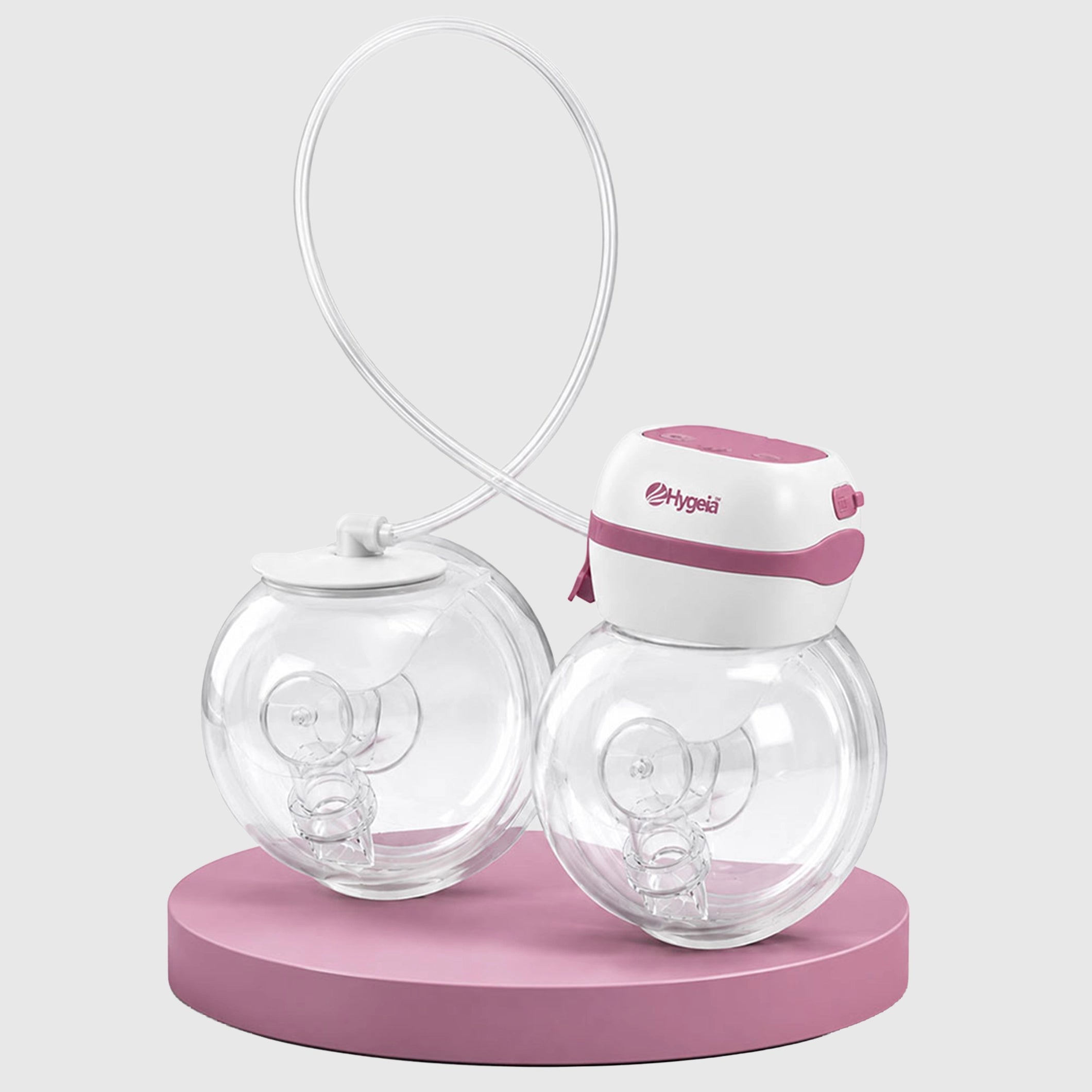
The Hygeia Esprit and Hygeia FIT Pro are both double electric options built for this. The Esprit is fully wearable, so you can pump while working, responding to emails, or holding your baby, turning pumping from a dedicated activity into something that fits into your day. The FIT Pro is a traditional double electric pump at a lower price point, a solid choice if wearability matters less to you than having two independent sides running hospital-strength suction.
Single pumps can be appropriate for:
- Mothers doing combination feeding who pump only once or twice per day to maintain secondary supply
- Mothers primarily breastfeeding directly who pump occasionally for convenience or to give a partner a bottle-feeding opportunity
- Mothers who get a better letdown pumping one side at a time, as covered above
- Mothers who prefer a smaller, lighter pump for occasional or backup use
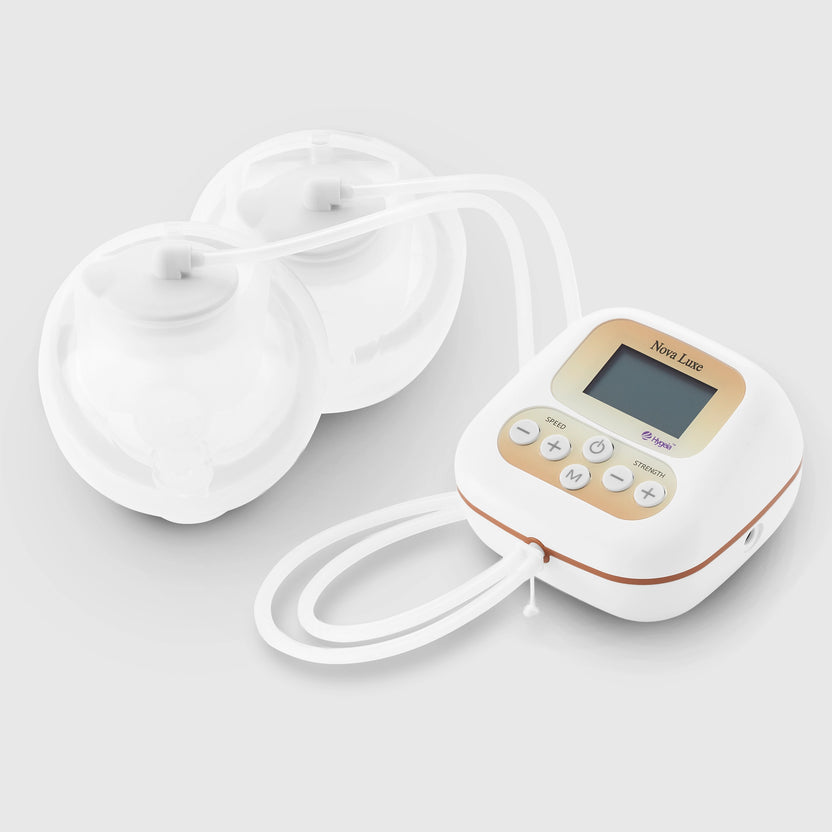
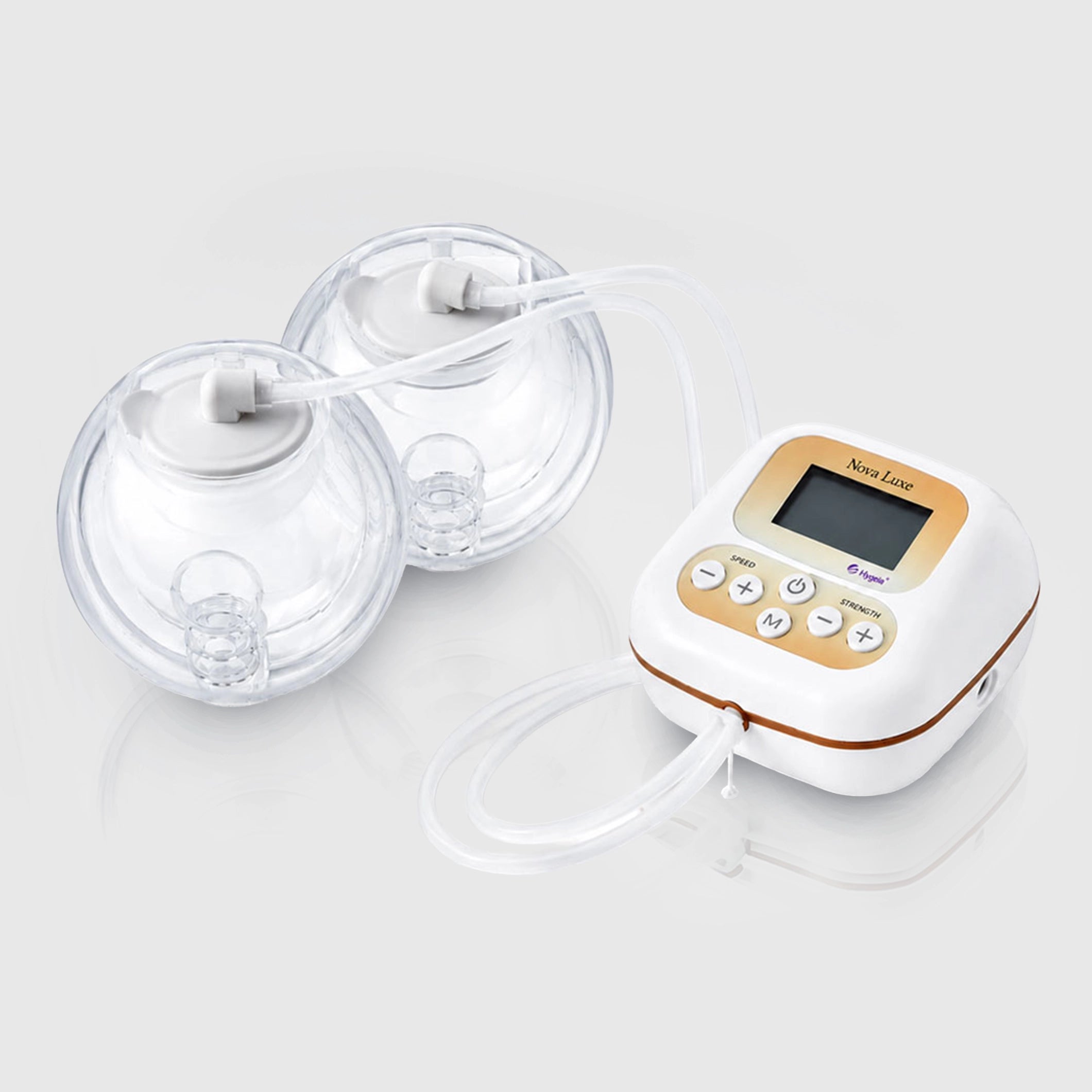
If single pumping fits your situation, the Hygeia Nova Luxe is worth a look. It's a wearable, single-sided pump with independent speed (1 to 5) and strength (1 to 10) control and hospital-grade suction up to 283 mmHg, so you're not giving up power or precision by choosing single. It's a genuinely good option for a mom who wants one side handled well rather than two sides handled at once.
The hybrid approach works too. Some mothers start with a single pump for the first week or two, focusing on comfort and learning the basics, then move to double pumping once they're confident with the mechanics. Others single pump at work if space or privacy is limited, and double pump at home where they have more freedom. The key is matching equipment to your lifestyle and goals rather than assuming one setup is objectively correct for everyone.
Quick Comparison: Double vs. Single Hygeia Pumps
Tap "More details" on any card for the full breakdown of strengths, weaknesses, and our verdict.

Why Mothers and Experts Trust Hygeia
Celebrated by leading parenting and health organizations for innovation, efficiency, and mom-approved design.

Parents Pick Award
"Hospital-grade, cordless, hands-free pump designed for ultimate convenience and efficiency."

Mom's Choice Award
"It's cordless, rechargeable design lets you pump anytime, anywhere."

The Bump
"Best hospital-grade breast pump"
Baby Maternity
"This breast pump has it all! It has an excellent design and I love how it can fit in your purse."

The leaky Boob
"In my humble but experienced opinion, the comparable pumps don't really compare."
Cost Analysis: Is Double Worth the Investment?
One of the biggest advantages of choosing a Hygeia pump is that cost may not be a barrier at all. The Hygeia Esprit ($239.99) and Hygeia FIT Pro ($174.99) are both hospital-grade double electric pumps, and the Hygeia Nova Luxe ($259.99) covers the single-pump side, all often covered at $0 out-of-pocket through insurance as an ACA preventive benefit. This means most mothers can access a premium pump, double or single, without financial burden.
If you're weighing cost without insurance coverage, the time-value math still favors double pumping for most mothers: a $175 to $240 pump that saves 2 to 3 hours a day adds up fast in reclaimed time alone, independent of any supply effect. Just don't budget for a guaranteed faster end to your pumping journey based on the supply claims covered above. Time savings is the well-supported reason to go double; treat any specific timeline or supply promise with caution.
Insurance Plans We Work With


How to Claim Your Free Breast Pump
Complete our online insurance verification form. You will need your insurance card.
Choose your Hygeia pump from the options covered under your plan.
We handle the paperwork, verify your prescription and deliver your breast pump.
Most plans allow you to order starting at 30 weeks gestation. Order 30 to 60 days before your due date so the pump is ready before baby arrives. You can also check what free baby stuff you will get through Medicaid.
The Wearable Factor: How Hands-Free Pumping Changes Everything
One feature that elevates certain double pumps beyond simple equipment is the wearable, hands-free design. The Hygeia Esprit, with its wearable form factor, cordless operation, and 136-gram weight per pump, fundamentally changes how pumping fits into your day. Instead of sitting for 15 to 20 minutes with equipment held in place, you can wear your pump discreetly under clothing and continue with normal activities.
Imagine pumping while responding to emails, walking through your home, playing with your baby, or working from your desk. The Esprit's rechargeable battery, whisper-quiet motor, and closed system make this genuinely possible across a full day of sessions. Mothers report that wearable double pumps reduce the mental burden of pumping by making it feel less like a medical necessity interrupting your life and more like doing one thing while doing other things. Our guide to wearable pumping best practices covers how to get the most out of a hands-free setup.
What "2-Phase" Technology Actually Means
You'll see the term "2-phase" or dual-phase pumping on nearly every modern electric pump, Hygeia's included, though brands describe it with their own names. The concept is the same across the category: the pump runs a faster, lighter stimulation phase first, mimicking a baby's quick initial sucking to trigger letdown, then automatically or manually shifts into a slower, deeper expression phase built for efficient milk removal once flow has started.
Compared to older single-speed pumps that ran one constant suction pattern the whole session, two-phase pumps more closely match how a baby actually nurses, which tends to make letdown faster and sessions more comfortable. Every Hygeia electric pump, the Esprit, Nova Luxe, and FIT Pro, includes separate stimulation and expression modes for exactly this reason.
Frequently Asked Questions
What does double pumping mean?
Double pumping means expressing milk from both breasts at the same time using a pump with two independent suction systems, one for each side, instead of pumping one breast and then switching to the other. It's the defining feature of a double electric breast pump.
Is a double electric pump better than a single one?
Double electric pumps are reliably faster, typically cutting session time roughly in half compared to single pumping. Whether double pumping also increases total milk supply is less settled: some smaller studies suggest a benefit, but a comprehensive 2015 Cochrane review found no significant difference in milk volume between simultaneous and sequential pumping. If time is your priority, double is the better-supported choice. If supply is your main concern, pumping frequency and flange fit matter more than how many sides your pump runs at once.
Does double pumping increase milk production compared to single pumping?
The evidence is mixed. Small pilot studies have found simultaneous double pumping associated with maintained or increased milk volume, and some research has found different prolactin and milk-ejection patterns between double and single pumping. However, a 2015 Cochrane systematic review combining the available research found no significant difference in total milk volume between the two methods. Double pumping's clearest, best-supported benefit is time savings, not a guaranteed supply increase.
Which type of pump produces the strongest prolactin response: double electric, single electric, or manual?
This is a genuinely unsettled question in the research. Some individual studies have found different prolactin patterns between simultaneous (double) and sequential (single) electric pumping, but a 2015 Cochrane review of the combined evidence found no consistent effect on prolactin tied to pumping method. Manual pumps rely on hand expression rhythm rather than a fixed motor cycle, and haven't shown a clear prolactin advantage over electric pumps in the literature. No pump type has been definitively shown to outperform the others on prolactin response.
Do I need two breast pumps, or is one enough?
Most mothers only need one pump: either a double electric pump that handles both breasts at once, or a single pump used on each side in turn. You don't need two separate pump units unless you want a dedicated backup, such as a lightweight single pump for travel alongside a primary double electric pump at home. Choose based on your session-time needs and lifestyle, not a belief that you need multiple devices.
Can I pump both breasts at the same time with any pump?
Only if the pump is designed as a double electric pump, with two independent motor and suction systems built in. A single pump, even a hospital-grade one, only expresses one breast at a time by design. If pumping both sides simultaneously matters to you, confirm the pump is specifically labeled double or double electric before you buy.
How does 2-phase technology improve milk extraction?
Two-phase pumping runs a fast, light stimulation cycle first to trigger letdown, then shifts to a slower, deeper expression cycle for efficient removal, mimicking how a baby actually nurses rather than using one constant suction pattern throughout. This tends to produce a quicker letdown and a more comfortable session than older single-speed pumps. Nearly all modern electric pumps, including every current Hygeia model, include separate stimulation and expression modes built around this concept.
Will double pumping damage my breasts or cause overproduction?
Double pumping doesn't damage breast tissue when the flange fits properly and suction is set at a comfortable level. Some mothers worry about overproduction, but supply self-regulates after the first few weeks in most cases. If you're concerned about engorgement or oversupply, a lactation consultant can help with timing and flange fit.
Can I switch between double and single pumping?
Yes. Many mothers use double pumping most of the time and single pumping for occasional convenience or discretion. Your body adapts to whatever pumping pattern you use consistently, so switching between the two isn't a problem.
Is the Hygeia Esprit covered by insurance?
Most insurance plans cover a breast pump as ACA-mandated preventive care at $0 out-of-pocket, and the Hygeia Esprit qualifies for this coverage under many plans. Check your specific coverage here before purchasing.
How long should each pumping session take with double pumping?
Most mothers find that 12 to 18 minutes of double pumping achieves effective milk expression, compared to 30 to 40 minutes with single pumping. In the first few days postpartum, sessions might run longer, 20 to 25 minutes, but this typically shortens as your body adjusts. A complete, comfortable letdown matters more than hitting an exact time.
What's the difference between the Hygeia Esprit and the Hygeia FIT Pro?
Both are double electric pumps. The Hygeia Esprit ($239.99) is fully wearable and cordless, built for maximum portability and hands-free pumping throughout the day. The Hygeia FIT Pro ($174.99) is also double electric with hospital-strength suction, at a lower price point, but is a traditional (not wearable) design. Both are closed-system pumps, and both are commonly covered by insurance.
The Bottom Line: Your Pumping Journey Deserves Efficiency and Honesty
Choosing between double and single pumping isn't just a technical decision, it's a choice about how you want your postpartum routine to unfold. Double electric pumping offers a clear, well-supported advantage in time saved, especially when paired with a wearable design like the Hygeia Esprit. What it doesn't offer is a guaranteed supply boost, and we'd rather tell you that plainly than repeat a statistic we can't back up.
If your priority is reclaiming time, the Esprit or FIT Pro are strong double electric choices. If single pumping fits your body or your routine better, the Nova Luxe gives you hospital-grade suction and precise control without the double commitment. Whichever you choose, the cumulative impact of saving hours across months of pumping is real, and that time is worth planning for.