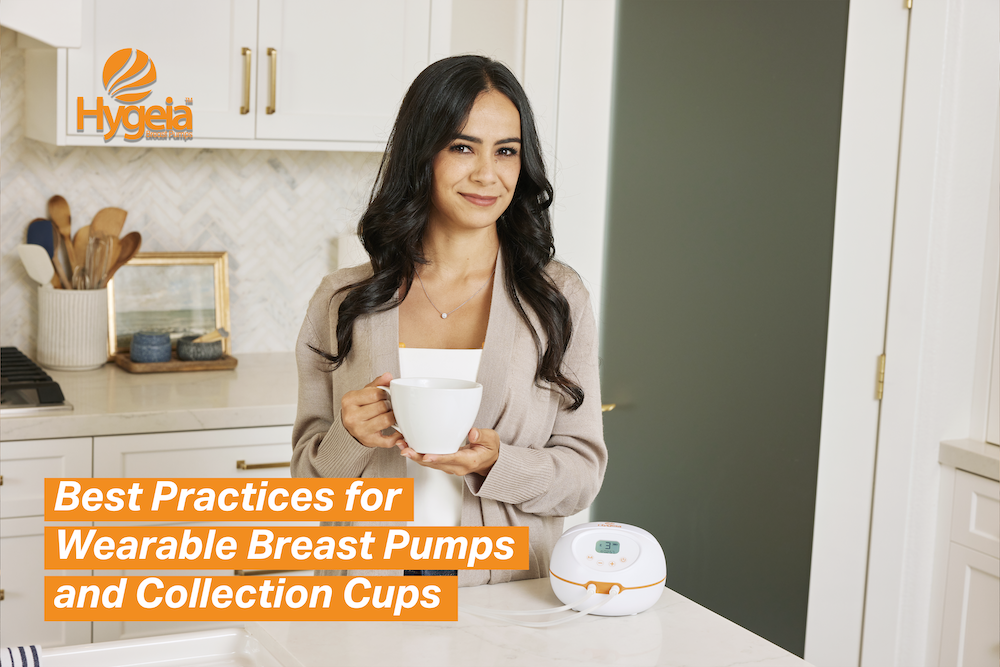
Life with a newborn moves fast and before you know it, a work schedule beckons. Many moms want to continue providing breast milk for their babies past those first weeks of infancy, but traditional pumping can tie them down or be too all-consuming to fit into the schedule. This is where wearable breast pumps and collection cups come in. These innovative tools offer incredible freedom, letting you pump discreetly while you tackle chores, work, or simply enjoy hands-free moments. But to get the most out of them, knowing a few best practices for wearable breast pumps helps.
Understanding Wearable Technology
Wearable breast pumps are small, motor-driven pumps that fit inside your bra. They collect milk directly into a cup, freeing you from bottles and tubes hanging from your chest.
Collection cups, on the other hand, are designed to fit with a traditional pump’s motor, replacing the standard bottles to offer a more discreet, in-bra pumping experience.
Both aim to make pumping on the go easier and more integrated into your daily life.
Choosing the Right Fit: Flange Sizing Matters
Just like with any breast pump, flange size is critical for comfort and efficient milk expression with wearable pumps and collection cups. A flange that’s too small or too large can lead to discomfort, pain, and reduced milk output.
How to Check: After a few minutes of pumping, look at your nipple. It should move freely in the tunnel without too much of the areola being pulled in.
Signs of Poor Fit: Pain, redness, nipple blanching (turning white), or feeling like you’re not fully emptying your breast
Solution: Many brands offer various flange sizes. If you’re unsure, consult a lactation consultant for a proper fitting. Getting this right prevents pain and maximizes your milk production. In some cases moms can do best without inserts in their wearables.
Maximizing Your Wearable Pumping Sessions
Even with the convenience of wearable pumps, technique still matters for a good milk yield. Additionally, using only this hands-free technology for pumping isn’t recommended by many experts.
Reserve Wearable Pumping Time: Use your wearable pump and collection cups only a few times a day if you are exclusively pumping or semi-exclusively pumping. Choose the circumstances or times when it is most helpful, like car rides or when juggling kid demands.
Plan for Longer Pump Sessions: Pump until your breasts feel empty or milk flow significantly slows. This might vary from session to session, but many moms need to pump longer (often 10+ minutes more than usual) to get the same level of stimulation and milk.
Standard Prep and Set Up Matters: Keep to your regular best practices for pumping. A gentle breast massage or warm compress before you start can help with milk let-down. Be sure to have water close at hand and stay hydrated.
Proper Placement: Ensure the collection cup or wearable pump is positioned correctly against your breast, forming a good seal. This prevents leaks and ensures efficient suction.
Cycle and Suction Settings: Experiment with the settings. Start with a faster, lighter suction to encourage let-down, then switch to a slower, deeper suction cycle for milk expression. Adjust suction to a comfortable level. You should never feel pain.
Cleaning and Maintenance for Longevity
Maintaining hygiene is crucial for any breast pump, especially wearable pumps and collection cups that touch your skin and milk directly.
Wash After Each Use: Disassemble all parts that come into contact with milk. Wash them immediately with warm, soapy water and rinse thoroughly.
Sterilize Regularly: Sterilize parts according to manufacturer instructions, usually daily or every few days, especially for newborns.
Air Dry Completely: Allow all parts to air dry completely on a clean paper towel or drying rack to prevent bacterial growth.
Check for Wear and Tear: Regularly inspect silicone parts for rips or cracks, as these can affect suction and hygiene. Replace them as needed.
Embrace the Freedom You Deserve with Hygeia Health
Wearable breast pumps and collection cups are game-changers for active moms, offering flexibility and discreetness. By following these best practices, you can ensure comfortable, efficient milk expression and maintain your milk supply.
At Hygeia Health, we understand the demands of modern motherhood. We are committed to providing high-quality breast pumps that support your unique breastfeeding journey. Did you know that many insurance plans cover the cost of a breast pump? Hygeia Health specializes in helping moms like you navigate this process to get a 100% insurance-covered breast pump.
Ready to experience the freedom of efficient, discreet pumping? Apply here to see if you qualify for a 100% insurance-covered breast pump and make your breastfeeding journey smoother.

Whether it is splashing on sandy beaches and poolside relaxation or traveling cross country and quality family time, a vacation requires a lot of preparation and planning. For breastfeeding mamas, a getaway can also raise concerns about maintaining milk supply while away from the comfort of routine.
Don’t let these anxieties hold you back! With a little planning and the right tools, you can confidently navigate your travel adventures while ensuring your breastfeeding journey continues seamlessly.
Planning for Pumping Success
Pack Smart: A dedicated pumping bag is your best friend. Look for one with insulated compartments to store breast milk collection bottles and a cooler pack. Include essentials like your breast pump, flanges, storage bags, nursing pads, and perhaps a comfortable hands-free pumping bra – a game-changer for multitasking while pumping!
Maintain Your Pumping Schedule: Consistency is key to milk production. Aim to pump as close to your usual feeding routine as possible, even if it means adjusting timings slightly. If you typically pump every 3 hours at home, plan on expressing milk at least every 4-5 hours during your travels.
Find Your Haven: Airports, museums, and many public buildings offer designated lactation rooms for breastfeeding and pumping. Explore apps or websites like Infant Nutrition Council of America (INCA) to locate lactation havens near your destinations. Don’t hesitate to ask staff for assistance in finding a suitable space.
Essential Pumping Gear for Travel
Hygeia Hospital-Grade Breast Pump: Consider a high-quality, portable breast pump like Hygeia’s hospital-grade Express breast pump. These pumps are designed for efficiency and comfort, making it easy to express milk on the go. They are also discreet and quiet, allowing you to pump confidently in most settings.
Double Pumping: Hygeia’s pumps often allow for double pumping, stimulating both breasts simultaneously and potentially increasing milk output in less time. This time-saving feature is a lifesaver for busy moms on the move–or trying to keep a vacation schedule.
Fueling Your Breast Milk Production
Hydration is Key: Staying hydrated is crucial for maintaining milk supply, especially in hot weather. Carry a reusable water bottle and make a conscious effort to sip frequently throughout the day.
Nourish Your Body: Healthy snacks and meals are essential for breastfeeding mothers. Pack nutritious options like fruits, nuts, and whole-grain bars to keep your energy levels up and support milk production.
Storing Liquid Gold: Keeping Your Breast Milk Safe
Fresh is Best: Freshly pumped milk can be stored at room temperature (up to 77°F) for up to 4 hours. This is ideal for short travel days or expressing milk between pumping sessions.
Cool it Down: For longer storage, transfer expressed milk to sanitized breast milk storage bags and place them in a cooler bag with ice packs. Properly stored milk can last up to 24 hours in a cooler bag with ice packs and up to 4 days in a refrigerator.
Deep Freeze for Extended Stays: If you’ll be away for an extended period, consider freezing your expressed milk. Properly labeled milk can be stored in the deep freezer (at 0°F or below) for up to 12 months.
Thawing and Reheating Safely
Never Microwave: Microwaving breast milk destroys essential nutrients and can create hot spots that could burn your baby’s mouth.
Gradual Thawing: The safest method is to thaw frozen breast milk in the refrigerator overnight or for generally 12 hours. If you need to thaw milk quicker, place the sealed milk bag in a container of lukewarm water, but never in boiling water. For a complete guide on thawing and reheating your milk, check out this article.
Temperature Check: Before feeding, test a drop of milk on the inside of your wrist to ensure it’s lukewarm, not hot.
Embrace the Journey with Hygeia Health
Juggling motherhood and summer adventures can be demanding, but with the right preparation and equipment, you can confidently maintain your milk supply while exploring new places. Hygeia Health is dedicated to empowering mothers on their breastfeeding journeys.
We offer a convenient 100% insurance-covered breast pump program for eligible mothers. Our pumps are designed for comfort, efficiency, and portability, making pumping on the go a breeze. Click here to see if your eligible for Hygeia’s 100% insurance-covered pump program and pack for a summer adventure filled with confidence and a thriving breastfeeding journey!

Returning to work after maternity leave presents a unique set of challenges for new mothers. Not only can it be emotionally wrecking to leave your baby for the first time, but continuing to breastfeed adds new workplace barriers to navigate in your daily workflow.
For those choosing to breastfeed, adding pumping sessions to a workday can feel like a complex puzzle. Workplace environments, unfortunately, do not always offer the seamless support needed. Understanding common barriers and knowing how to overcome them is key to a successful breastfeeding journey.
The power tools needed to succeed? Know your rights. Communicate proactively. Be prepared. This guide will outline the main obstacles many breastfeeding moms face and provide actionable solutions to ensure you can continue providing for your baby while managing your career.
Lack of Adequate Space for Pumping & Cleaning
Concern: Many workplaces do not provide private, clean, and comfortable spaces (other than a bathroom) for expressing milk even though it is legally required in many places. Not only does this make it awkward for the actual job of pumping, but it’s troubling to not have sanitary and accessible facilities for cleaning pump parts.
Solution: Request a dedicated pumping space. Clearly communicate the need for a private, clean space that is not a bathroom. Offer suggestions if your workplace doesn’t currently have one (e.g., a spare office, a partitioned area).
Rigid Work Schedules & Break Times
Concern: Inflexible schedules, long hours, and limited control over breaks can make regular pumping difficult, especially for mothers of newborns who need to pump frequently. Even with legal requirements for “reasonable break time,” the actual time needed to pump, set up, clean, and store milk can be challenging to fit into demanding work schedules. Additionally, jobs that involve frequent travel can pose significant logistical challenges for breastfeeding mothers needing to pump and store milk on the go.
Solution: Develop a pumping schedule and a system, but communication is key. Plan your pumping breaks and discuss them with your supervisor to ensure they are feasible within your workday. Be prepared to be flexible, but advocate for your needs. Utilizing hands-free pumping options like a hands-free breast pump or pumping bra can allow you to work on some tasks while pumping, maximizing your time.
Concerns about Job Security or Advancement
Concern: Some mothers fear that taking time to pump or requesting accommodations might negatively impact their career progression or job security. This is likely because many new mothers may not be fully aware of their legal rights to break time and a private pumping space.
Solution: Know your rights! Familiarize yourself with federal and state laws regarding breastfeeding in the workplace. The PUMP for Nursing Mothers Act and the Fair Labor Standards Act (FLSA) provide important protections regarding break time and private space.
Unsupportive Work Culture
Concern: A lack of understanding or empathy from supervisors and colleagues can create pressure to prioritize work over pumping, leading to stress and potential impact on milk supply. This lack of open acceptance in the workplace culture make moms feel uncomfortable or self-conscious about pumping at work.
Solution: Educate your workplace. If you sense a lack of understanding, provide your employer and colleagues with information about the benefits of breastfeeding and the legal requirements for supporting nursing mothers. Resources from the U.S. Department of Health & Human Services and their Office on Women’s Health.
Being Unprepared
Concern: Having a routine in your own home does not always translate to a relaxed routine in a new environment. Physically demanding jobs may make finding the time and energy to pump consistently more challenging as well.
Solution: Pack and prepare efficiently. Have all your pumping supplies organized and ready to go to minimize setup and cleanup time. Consider bringing extra pump parts to avoid the need to wash them immediately if facilities are limited. Also have a plan for storing your breast milk safely, whether in a personal cooler or a designated refrigerator (if available and permitted). Being prepared with all of your supplies will help establish a routine for your new workplace situation.
Bonus Tips for the Best Experience
Communicate Proactively with Your Employer: Discuss your needs with your employer before returning to work. Having an early conversation allows for planning and addressing potential concerns.
Advocate for Workplace Policy Changes: If you encounter significant barriers, consider working with HR or other employee groups to advocate for more supportive breastfeeding policies within your workplace.
Know Your Options if Your Rights Are Violated: If your employer fails to provide the legally required accommodations, you have the right to file a complaint with the Wage and Hour Division of the U.S. Department of Labor.
Seek Support: Connect with other breastfeeding mothers or lactation consultants for advice and emotional support in navigating workplace challenges. Online support groups or local organizations can be valuable resources.
Hygeia Offers Pump Support
Returning to work while continuing to breastfeed is a significant commitment. Every ounce of breast milk you provide is valuable, and your ability to do so should be supported.
At Hygeia Health, we understand these challenges intimately. We believe that providing a high-quality breast pump should be a right, not a luxury, helping you overcome some of these workplace hurdles with ease. Our hospital-grade breast pumps are designed for efficiency and reliability, making your pumping sessions smoother and more productive.
Don’t let workplace barriers keep you from your breastfeeding goals. Let Hygeia help navigate insurance coverage and get a premium, 100% insurance-covered breast pump delivered right to your door. Having the best pump is the first step toward a more supported return to work.
We are dedicated to supporting your breastfeeding journey every step of the way. Apply today to see if you qualify for a free Hygeia Health breast pump.

Happy Mother’s Day to all the incredible moms out there! This day is for celebrating you, your strength, your love, and everything you do. At Hygeia Health we believe you deserve to gift yourself this Mother’s Day!
We know that he month of May is one of the busiest times of year for countless mothers. School awards, spring flings, enjoying playdates, and sports schedules. It’s a time of fun but often a full schedule, so finding time to sleep can be hard enough. Never mind getting a relaxing day of being pampered.
Hygeia’s got you with the best gifts that seamlessly integrate into a busy life and offer moments of peace, joy, or efficiency. This Mother’s Day, consider gifting yourself something simple yet powerful: self-care through the amazing tech tools at your fingertips.
1. The Gift of Calm: A Meditation App Subscription
Think: Calm, Headspace, Insight Timer
Why it’s a gift: Even five minutes of guided meditation can bring a sense of peace and reduce stress. These apps offer a variety of sessions tailored for busy schedules and specific needs like sleep, anxiety, and focus.
Bonus! Check out this special series for moms on the Calm app.
2. The Gift of Stories: An Audiobook Subscription
Think: Audible, Spotify Premium (with audiobooks), Google Play Books,
Why it’s a gift: Escape into a captivating story while folding laundry, nursing, or when a mental break is needed. Audiobooks allow you to “read” even when your hands are full.
Bonus: Libraries also offer collections of audiobooks! All you need is a library card and you have free access. Check out Libby or Hoopla.
3. The Gift of Your Favorite Soundtrack: A Music Streaming Premium Account
Think: Spotify Premium, Apple Music, Amazon Music Unlimited
Why it’s a gift: Ad-free listening to your go-to playlists can instantly boost your mood, energize you for a workout, or provide a soothing backdrop to your day. Create playlists for different moods and activities.
Bonus! Need a good playlist? Steal some ideas from this Mother’s Day playlist!
4. The Gift of Knowledge on the Go: A Podcast Subscription/App
Think: Apple Podcasts, Spotify, Overcast
Why it’s a gift: Learn something new, be entertained, or feel connected to a community. Podcasts are perfect for your commute or while pumping. There’s a podcast for every interest!
Bonus! Need to find a good podcast? Check out this list of top podcasts for moms!
5. The Gift of Delicious Recipes: A Meal Planning App (Free Versions Often Available)
Think: Mealime, Plan to Eat, BigOven
Why it’s a gift: Take some of the mental load out of meal prep. Get recipe ideas, filter by ingredients or prep time, and other basic planning features.
Bonus! Most apps have a free version available and they are loaded with great content!
6. The Gift of Gentle Movement: An Online Yoga or Exercise App
Think: Down Dog, Peloton, Nike Training Club
Why it’s a gift: Even short bursts of movement can improve your physical and mental well-being.
Bonus! Many apps offer free trials, allowing you to explore what works for you without commitment.
7. The Gift of Captured Memories: A Photo Backup/Organization App
Think: Google Photos, iCloud Photos, Dropbox
Why it’s a gift: Ensure your precious photos and videos of your little ones are safely backed up and easily accessible. Organize them into albums to relive those sweet moments.
Bonus! Most of these photo organizers connect seamlessly to photo gift and print tools like Snapfish and Shutteryfly.
Hygeia’s year-round gift to moms
Don’t forget Hygeia Health’s year-round gift available to many expecting and new moms: a breast pump 100% covered by insurance. Every mother deserves access to quality breast pumps. Because many insurance plans cover the cost of a breast pump, we help moms navigate the process and find out if you qualify for a free, high-quality breast pump. Having a reliable pump will alway improve your breastfeeding experience.
Ready to see if you can get a breast pump covered by your insurance? Apply today and let Hygeia Health support your breastfeeding goals.
Remember that self-care isn’t selfish – it’s essential. Gift yourself this Mother’s Day (or any time!) to one (or more!) of these simple tech treats. You deserve it! Happy Mother’s Day from all of us at Hygeia Health, where we are dedicated to supporting your motherhood journey, one pump and one moment of self-care at a time.

Have you ever stared into that freshly pumped bottle and think, “Huh, today’s batch is looking a little…golden?”
Or maybe a hint of blue?
Welcome to the surprisingly colorful world of breast milk, mama!
It’s like nature’s little art project, and while it might have you raising an eyebrow now and then, most of the time, those hues are totally normal and even tell a fascinating story about what’s nourishing your little one. This blog post will be your breast milk color decoder to help you navigate this liquid rainbow with confidence. Let’s dive into the shades and what they typically mean, so you can feel like a total pro when it comes to your amazing milk!
What can impact the breast milk color?
There are three major things that can impact your breastmilk having a slightly different color than the usual and expected white. This includes what you have eaten, the state of your health (or presence of illness), the stage of the milk, and how the milk has been stored, if at all.
Yellow or Orange: The Early Milk
Need to worry? No!
In the first few days after birth, your milk, called colostrum, is often yellow or deep orange. This color comes from beta-carotene, a nutrient that’s good for your baby. Colostrum is packed with antibodies and is very important for your newborn’s health. As your milk transitions, it may still have a yellow tint for a while. And you might also note that consuming turmeric can also turn your breast milk golden.
White or Creamy: Mature Milk
Need to worry? No!
Around two weeks after birth, your milk will likely become white or creamy. This is mature milk. The fat content in the milk gives it this color. Milk expressed at the end of a feeding or pumping session, called hindmilk, is usually whiter because it has more fat.
Thin and Bluish: Foremilk
Need to worry? No!
At the start of a feeding or pumping session, the milk might look thin and even a little bluish. This is foremilk. It has more water and lactose and helps to quench your baby’s thirst. This coloring can also indicate a higher level of electrolytes in your milk.
Green: When It Might Appear
Need to worry? No!
Sometimes, breast milk can have a green tint. This is often due to something you ate, like green vegetables such as spinach or kale. Green food coloring in drinks or supplements can also cause this change, but you should note that some medications can have the same effect.
Pink or Red: Usually a Little Blood
Need to worry? Not likely.
Seeing pink or red milk can be alarming, but it’s often not a serious problem. The most common reason is a small amount of blood. This can happen if your nipples are cracked or sore, which is common in the early days. “Rusty pipe syndrome,” where extra blood flow to the breasts causes a little blood in the early milk, can also cause this. It usually goes away on its own. Sometimes, broken blood vessels from pumping can also cause a pink or red color.
Brown or Rust-Colored Milk: Uncommon
Need to worry? No.
Brown or rust-colored milk is usually old blood. This can also be related to rusty pipe syndrome.
When to Talk to Your Doctor
While most breast milk color changes are normal, there are times to seek advice from a doctor or lactation consultant. If you see pink or red milk that doesn’t go away quickly or is more than just a little, it’s best to get it checked. Brown or black milk, especially if you’re not taking any medications that could cause it, should also be discussed with a healthcare provider or lactation consultant. If you or your baby have other symptoms along with a color change, like breast pain or fever, seek medical advice.
Understanding the different colors of your breast milk can help you feel more confident during your breastfeeding journey. At Hygeia Health, we’re committed to supporting you with information and the right tools. We believe every mother deserves access to quality breast pumps. Did you know that many insurance plans cover the cost of a breast pump? Hygeia Health can help you navigate this process and see if you qualify for a free, high-quality breast pump. Having a reliable pump can make your breastfeeding experience smoother, no matter what color your milk may be.
Ready to see if you can get a breast pump covered by your insurance? Apply today and let Hygeia Health support your breastfeeding goals.