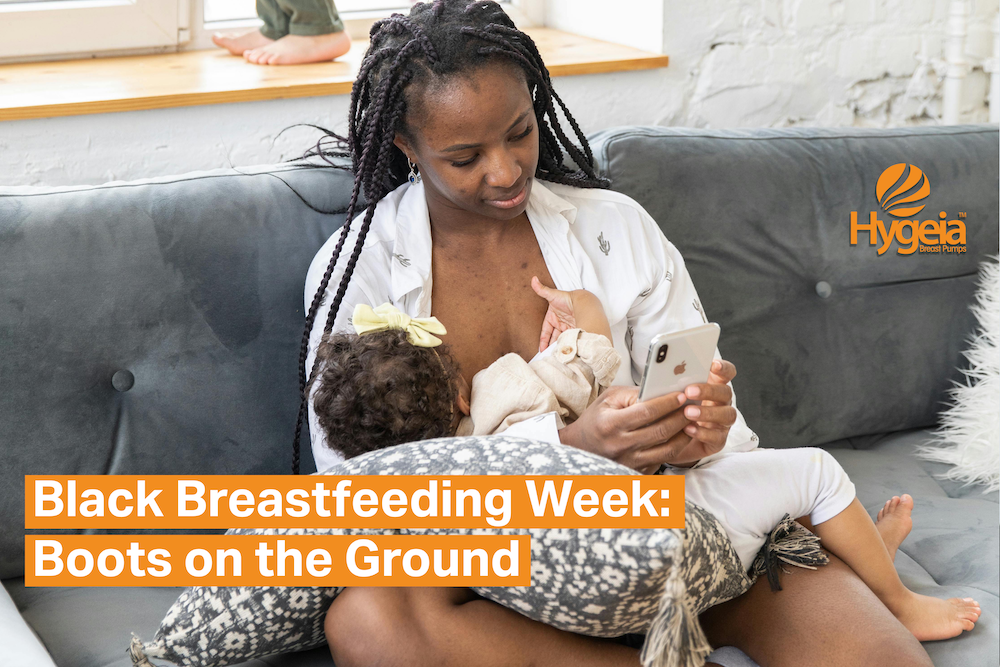
August is National Breastfeeding Month, and this final week, August 25-31, is dedicated to Black Breastfeeding Week (BBW). This week is a crucial part of the national observance. It highlights the unique challenges and triumphs of black mothers on their breastfeeding journeys. This blog post will explore why this week is so important and how you can get involved. The 2025 theme for BBW is Boots on the Ground: Rooted in Breastfeeding Success, Grounded in Community Support.
Why Black Breastfeeding Week Exists
Black Breastfeeding Week began in 2013. It was created to address the significant racial disparities in breastfeeding rates. For decades, Black women have had the lowest breastfeeding rates in the U.S. This is not due to a lack of desire to breastfeed. It is a result of historical and systemic barriers. These barriers include a lack of targeted community support, racial bias in healthcare, and the historical trauma of slavery, which severed cultural connections to breastfeeding.
This week exists to bring awareness to these issues. It celebrates the strength and resilience of the Black community. It provides a platform for education and advocacy. The goal is to build a supportive network that addresses systemic inequalities and promotes health equity for Black families.
What to Expect During Black Breastfeeding Week
Black Breastfeeding Week is a vibrant time of celebration and education. The week is filled with events both online and in local communities. While specific events vary each year, you can typically expect a mix of the following:
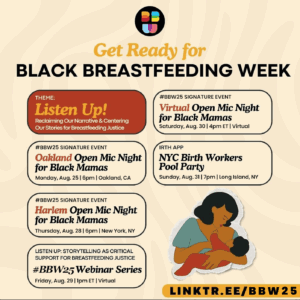
Virtual Events: Many organizations host webinars and online conferences. These sessions focus on topics like historical context, finding community support, and overcoming common breastfeeding challenges. Be sure to check out the Virtual Open Mic Night on Saturday, August 30 at 4 p.m. EST.
Community Gatherings: Local organizations often host meet-ups, workshops, and latch-on events. These gatherings provide a safe and encouraging space for new mothers to connect. For those in the Oakland, CA or New York City area, can check out the Oakland or Harlem Open Mic Nights on Aug. 25 and Aug. 28. Search online for events are happenings in your area.
Social Media Campaigns: The Black Breastfeeding effort is strong on social media and you can help spread awareness from wherever you are and whatever you are doing simply by sharing posts and engaging with them. Expect to see powerful stories, art, and information shared widely online. They can be found on Facebook, Twitter and Instagram. Following the official hashtags is another great way to show your support and learn more throughout the campaign. Check out: #BBW25 #BootsOnTheGround #blackbreastfeedingweek
Expert Q&As: Lactation consultants and healthcare professionals often offer live Q&A sessions. These provide valuable, accessible information for mothers. At Hygeia Health we partner with Nest Collaborative to provide virtual breastfeeding consults accessible anytime, anywhere, covered by most insurance plans at no cost to you.
To find a full list of official events, visit the Black Breastfeeding Week website.
Supporting All Moms During National Breastfeeding Month
At Hygeia, we believe every mother deserves full support on her feeding journey. We understand that a high-quality breast pump is a tool that can make a big difference. Our breast pumps are designed for both comfort and efficiency. We are also committed to removing financial barriers for mothers. You can find out if you qualify to receive a Hygeia pump 100% covered by your insurance plan. Find out if you qualify here.
Black Breastfeeding Week reminds us that true support must be inclusive and culturally sensitive. It is an opportunity for all of us to listen, learn, and act. By championing equity in lactation care, we help build a healthier future for all children. Join us in celebrating this important week and supporting every mother’s choice.
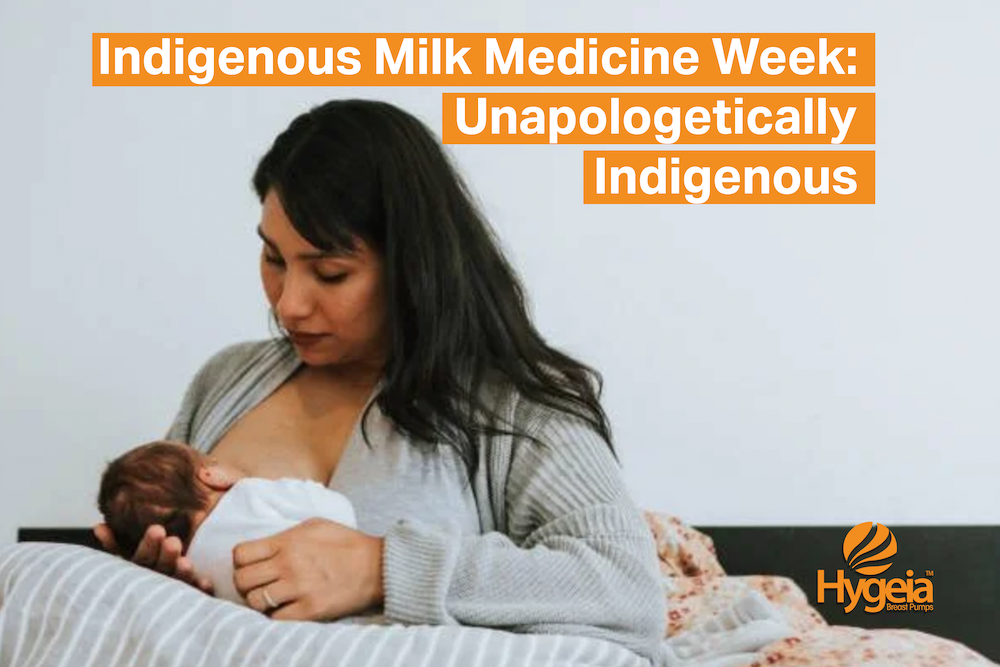
World Breastfeeding Week wrapped up last week, but it was immediately followed by the kick off of Indigenous Milk Medicine Week (IMMW). It is observed each August 8-14 as another spotlighted week during National Breastfeeding Month. Indigenous cultures have long recognized the healing properties of breast milk. Indigenous Milk Medicine honors this tradition and emphasizes the importance of cultural sensitivity in breastfeeding support.
Unapologetically Indigenous: Love, Landback, and Liberation
This year’s theme, “Unapologetically Indegenous: Love, Landback, and Liberation,” will affirm Milk Medicine as living knowledge that nourishes sovereignty and love. They aim to celebrate the strength, connection, and healing that Milk Medicine brings through community care. “From our Ancestors to future generations, Milk Medicine is a vital thread that holds us together,” their website states.
- Love is the core of the Indigenous Milk Medicine Collective does as deep kinship is what binds communities and families.
- Landback represents the reclamation of traditions and practices that have sustained the community for generations.
- Liberation stands for the reclamation of the right to practice traditional birthkeeping and lactation.
Each day of IMMW features a theme, complete with “what to wear” and a directive for individuals to participate or show their support online. The week kicked off with a livestream on Aug. 7. You can catch the replay, featuring artist Soni Lopez-Chavez (Chichimeca), on their Facebook page along with Q&A sessions and other featured live streams. The event’s virtual 5K kicked off Aug. 9 and is open to participation through Aug. 14.
Virtual Conference & Featured Artist
On Monday, Aug. 11 the Indigenous Milk Medicine Conference began. The virtual event runs through Aug. 14 and offers a unique opportunity for participants to learn from knowledge sharing educational sessions.. The sessions include topics such as, “Unmasking Neurodiversity in Indigenous Lactation and Early Postpartum”, “First Foods, Fluid Identities: Parenting and Feeding 2-Spirit Futures”, and more. Each day offers valuable sessions with powerful speakers.
Part of IMMW is to feature an Indigenous artist that will uplift and highlight Indigenous talent while bringing to life that year’s theme. The 2025 featured artist is Soni Lopez-Chavez. She is a Chichimeca artist whose powerful work centers Indigenous identity, healing, and liberation.
Supporting All Moms During National Breastfeeding Month
Hygeia Health is committed to supporting all mothers, including Indigenous moms, on their breastfeeding journey. Our breast pumps are designed with comfort and efficiency in mind, but we know that a great pump is just one piece of the puzzle. We believe in providing comprehensive support, including education, resources, and community. Hygeia offers moms an opportunity to receive a high quality pump 100% covered by their insurance. Find out if you qualify here.
Let’s continue to celebrate the power of breast milk in the month of August, and advocate for policies that support Indigenous Milk Medicine families year-round.
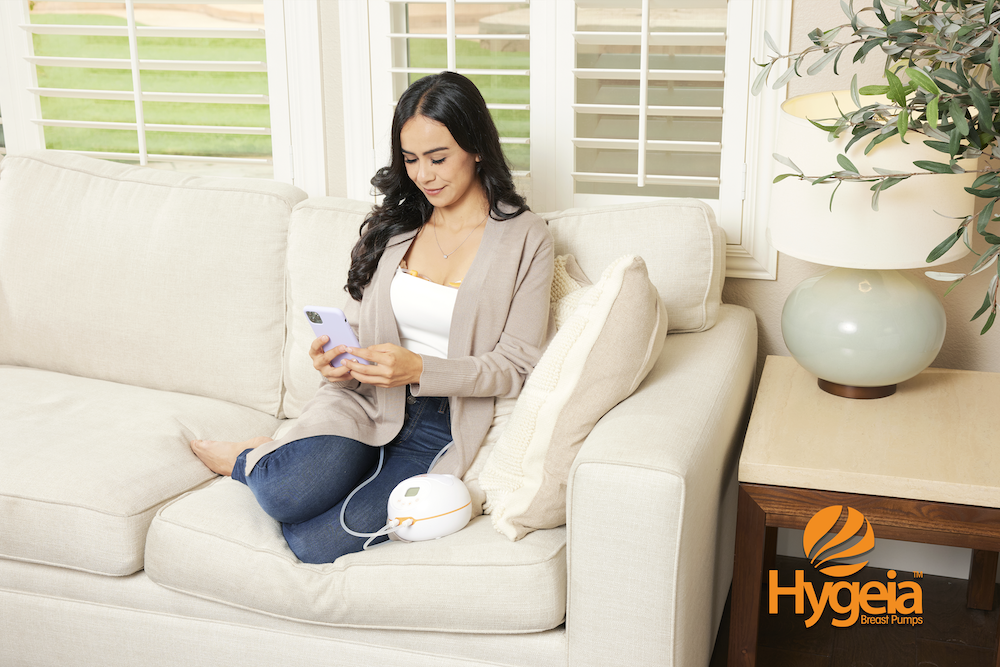
With your breastfeeding journey on the horizon, researching breast pump options is naturally going to be on your list of to-dos.The array of options available can be daunting for new mothers, though. Understanding the distinctions between each type is crucial for a successful pump choice.
It’s common to feel overwhelmed when faced with choices ranging from single, manual pumps to double, wearable pumps. This guide aims to demystify the options, providing clarity on the benefits and appropriate uses for each. By exploring the differences mothers can make informed decisions.
Let’s ditch the jargon and dive into what you really need to know about hospital-grade, electric, manual, single, double, and those awesome wearable pumps everyone’s talking about. We’ll get you sorted, so you can focus on what matters most: your little one.
Hospital-Grade vs. Personal-Use Pumps: Power and Efficiency
Hospital-grade pumps are often considered the gold standard, and for good reason. These pumps are designed for frequent, long-term use, offering powerful suction and adjustable settings to maximize milk output. They’re ideal for moms who need to establish or maintain a strong milk supply, such as those with premature babies or those returning to work full-time. While they come with a higher price tag, their efficiency can be invaluable.
Personal-use pumps, on the other hand, are designed for less frequent pumping. They’re typically more portable and affordable, making them a good option for moms who pump occasionally, need a backup pump. This is also an option if your insurance cannot cover a hospital-grade pump and it is not in your budget to spring for one out of pocket.
Electric vs. Manual Pumps: Convenience vs. Control
Electric pumps offer the ultimate convenience, often allowing you to pump both breasts simultaneously with minimal effort. They’re perfect for moms who need to pump regularly and efficiently. Manual pumps, however, require hand operation and offer more control over suction and speed. They’re a good choice for occasional pumping or when portability is paramount.
Single vs. Double Pumps: Time-Saving Efficiency
Double pumps allow you to express milk from both breasts simultaneously, significantly reducing pumping time. This can be a game-changer for busy moms who need to pump frequently. Single pumps, while more affordable, require you to pump one breast at a time, doubling the amount of time you spend pumping.
Wearable Pumps: Freedom and Flexibility
Wearable pumps are the latest innovation in breast pump technology, offering unparalleled freedom and flexibility. These hands-free, cordless pumps fit discreetly inside your bra, allowing you to pump while on the go. They’re perfect for busy moms who need to multitask or those who want to pump discreetly in public.
Understanding Insurance Coverage for Your Breast Pump
One of the most significant factors in choosing a breast pump is affordability. Thanks to the Affordable Care Act, many insurance plans cover the cost of a breast pump. However, coverage can vary depending on your specific plan. It’s crucial to contact your insurance provider to understand your coverage details.
Some plans may cover hospital-grade pumps, while others may only cover personal-use pumps. At Hygeia Health, we specialize in helping moms navigate this process and maximize their insurance benefits. We can assist in determining your eligibility and streamline the process of obtaining a 100% insurance-covered breast pump.
Choosing the Right Pump for You
Ultimately, the best breast pump is the one that meets your individual needs and lifestyle. Consider factors such as:
Frequency of pumping: Frequent pumping calls for hospital grade or high quality electric double pumps.
Budget: Personal-use or manual pumps are more budget friendly, but many insurance policies will cover the cost of a hospital grade and top of the line pumps.
Lifestyle: Wearable pumps are great for busy, on the go moms.
Milk supply needs: Hospital grade pumps are great for establishing supply.
Hygeia knows every mom deserves access to the best tools to support their breastfeeding journey. That’s why we’re here to help. By completing a simple form we can help you see if you qualify for a hospital-grade breast pump 100% covered by your insurance policy.
We’re here to support you every step of the way, from finding the right pump to navigating insurance coverage. You’ve got this, mama!

National Nurse Practitioner Week, observed annually in November, is a time to recognize and appreciate the invaluable contributions of some of our most prized healthcare workers: nurse practitioners.
These skilled professionals play a vital role in providing quality care to patients of all ages. This week, November 10-16, Hygeia is shouting praises to all nurse practitioners, especially those supporting the new moms around the world.
A Cornerstone of Healthcare
Nurse practitioners are advanced practice registered nurses (APRNs) with specialized education and training. They are qualified to diagnose illnesses, prescribe medications, and provide a wide range of healthcare services.
These highly qualified healthcare providers also play a vital role in supporting pregnant and breastfeeding mothers. With their advanced education and clinical experience, they offer comprehensive care, from prenatal check-ups to postpartum support.
Prenatal & Postpartum Care
By choosing a nurse practitioner for your prenatal and postpartum care, you can be confident that you’re receiving high-quality, compassionate care.
During pregnancy, nurse practitioners provide essential care, including:
Regular check-ups: Monitoring your health and baby’s growth.
Screening for complications: Identifying potential issues early on.
Education and counseling: Offering guidance on nutrition, exercise, and emotional well-being.
The crucial role of supporting breastfeeding mothers can often be played by a nurse practitioner. They can provide valuable advice and guidance on breastfeeding techniques, milk supply, and other common postpartum challenges.
Breastfeeding support: Helping you establish a good latch and troubleshoot any issues.
Postpartum check-ups: Monitoring your physical and emotional recovery.
Mental health support: Addressing postpartum depression and anxiety.
Supporting Healthcare Heroes
Let’s take this opportunity to thank nurse practitioners for their unwavering commitment to patient care. By recognizing their contributions, we can continue to improve healthcare access and quality for all and, most especially, new and breastfeeding mothers.
“It’s supposed to hurt.”
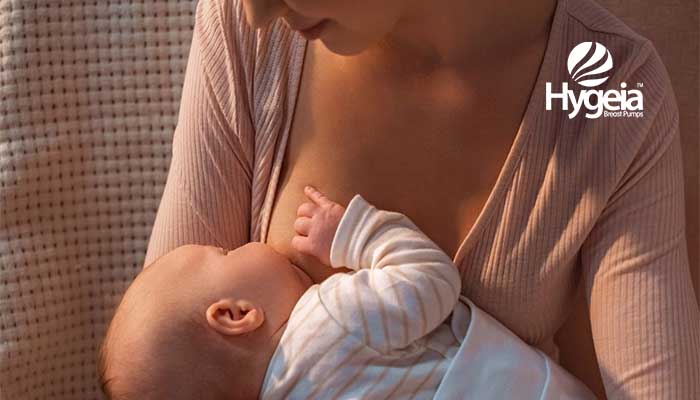
It’s one of the biggest breastfeeding myths! That’s not to say nipple pain is not a common hurdle for many new moms, sometimes hindering the establishment of a successful breastfeeding journey. Don’t let discomfort deter you! With proper knowledge and a few helpful strategies, you can manage nipple pain and continue breastfeeding with confidence.
Problems & Solutions: Why Do Nipples Hurt?
Several factors can contribute to nipple pain during breastfeeding:
Problem: Incorrect Latch
An improper latch, where your baby isn’t fully mouth-cupping your breast tissue, can put unnecessary pressure on the nipple and cause pain.
Solution: Perfect Your Latch
Seek guidance from a lactation consultant or healthcare professional to ensure your baby is latching on correctly. A deep latch with a wide mouth opening will help distribute pressure evenly and minimize nipple pain.
Problem: Engorgement
In the first few days after birth, your breasts may become engorged with milk, making it difficult for your baby to latch on properly and leading to nipple soreness.
Solution: Frequent Feedings
Frequent breastfeeding can help prevent engorgement and allow your baby to remove milk effectively. Aim for feeding cues rather than a strict schedule. Pumping and storing excess milk can help reduce engorgement especially during night feeding when baby may go longer stretches without feeding. Check out Hygeia’s hospital-grade breast pump and milk storage containers.
Problem: Tongue Tie
Ankyloglossia, or tongue tie, is a condition where a baby’s tongue is restricted by a short frenulum (the tissue under the tongue). This can make it challenging for them to latch effectively and may contribute to nipple pain.
Solution: Seek a Specialist
While some view correcting tongue-tie as a simple solution for breastfeeding difficulties, there’s ongoing debate about its necessity and potential for over-treatment in some cases. As the parent you have the final say for what is best for your child. You can find a specialist to help guide you to solutions here.
Problem: Friction
Frequent rubbing of the nipples against clothing or improper wiping after feeding can irritate the delicate skin.
Solution: Wear Loose Clothing
Opt for breathable, loose-fitting clothing that won’t rub against your nipples. Also change nursing pads appropriately if they are being used. You can find ideas for comfortable nursing clothes here.
More Solutions for Soothing Soreness
Even if none of the aforementioned problems seem to be the cause of the nipple pain you are experiencing, there are some more steps you can take to find relief:
Warm Compresses: Applying warm compresses to your breasts before feeding can help promote milk flow and ease discomfort.
Cold Relief: After feeding, using chilled breast milk compresses or soothing nipple creams can provide temporary pain relief.
Air Drying: Allow your nipples to air dry completely after feedings to prevent irritation from moisture.
Beyond Relief: Preventing Nipple Pain from the Start
Nipple pain can be avoided in a lot of cases. Here are some proactive tips to prevent the problem before it starts:
Prenatal Education: Learning about proper breastfeeding techniques and latching during pregnancy can help you feel more prepared for the early days of breastfeeding.
Skin-to-Skin Contact: Practice immediate skin-to-skin contact with your baby after birth. This not only fosters bonding, but it also encourages instinctive latching.
Proper Positioning: Experiment with different breastfeeding positions to find one that feels comfortable and allows for a deep latch.
Moisturize (Selectively): While avoiding harsh soaps and lotions on your nipples is crucial, applying a small amount of lanolin cream after feeds can help keep the skin hydrated.
At Hygeia Health, we understand the challenges and rewards of breastfeeding. We’re dedicated to supporting moms on their breastfeeding journeys by providing not only high-quality breast pumps but also access to valuable resources.
If you’re experiencing persistent nipple pain or have any breastfeeding concerns, don’t hesitate to reach out to a lactation consultant or healthcare professional. They can provide personalized guidance and support to help you achieve a successful and comfortable breastfeeding experience.
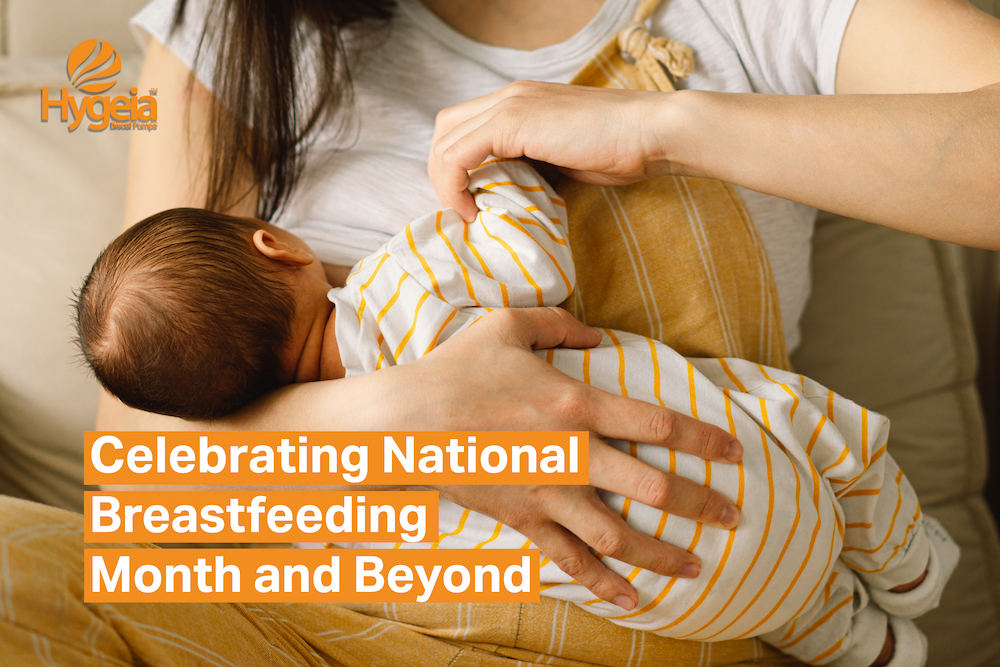
World Breastfeeding Week may be coming to a close, we have only kicked off National Breastfeeding Month, with the theme of “Nourish, Sustain, Thrive”. While all breastfeeding is celebrated this month, this blog post will highlight the specific awareness weeks that will be taking place. Let’s acknowledge the unique experiences of different communities and learn how we can better support them.
Indigenous Milk Medicine Week
Dates: Aug. 8-14
Indigenous cultures have long recognized the healing properties of breast milk. Indigenous Milk Medicine honors this tradition and emphasizes the importance of cultural sensitivity in breastfeeding support. Learn more.
Asian American, Native Hawaiian, and Pacific Islander Breastfeeding Week
Dates: Aug. 15-21
The Asian American, Native Hawaiian, and Pacific Islander community faces unique challenges, including language barriers, cultural expectations, and limited access to culturally competent care. Raising awareness and providing culturally appropriate support is essential. Learn more.
Black Breastfeeding Week
Dates: Aug. 25-31
Black women have lower breastfeeding rates compared to other racial groups. Addressing systemic racism, providing culturally sensitive care, and creating supportive communities are crucial steps toward improving Black breastfeeding outcomes. Learn more.
Workplace Lactation Awareness Week
Dates: Sept. 1-7
Supporting breastfeeding mothers in the workplace is essential. Creating lactation rooms, offering flexible work arrangements, and providing education on breastfeeding and pumping can make a significant difference. Learn more.
By working together, we can create a world where every mother has the support she needs to breastfeed. Hygeia Health is committed to supporting mothers on their breastfeeding journey. Our breast pumps are designed with comfort and efficiency in mind, but we know that a great pump is just one piece of the puzzle. We believe in providing comprehensive support, including education, resources, and community.
Let’s continue to celebrate the power of breast milk in the month of August, but we will advocate for policies that support breastfeeding families every month of the year.