Life with a newborn rarely goes according to plan. While nursing directly is ideal whenever possible, there are plenty of times when pumping and storing milk gives you the flexibility your day actually requires. Whether you are heading back to work, building a freezer stash during maternity leave, or simply passing a feeding to a partner so you can sleep, having a reliable pumping and storage system in place makes a real difference.
This guide pulls together trusted guidance from KellyMom's Milk Storage Guide and the Texas WIC pumping program, plus practical tips on getting your breast pump covered through insurance so you have the right equipment before you need it.
Check My Insurance Eligibility
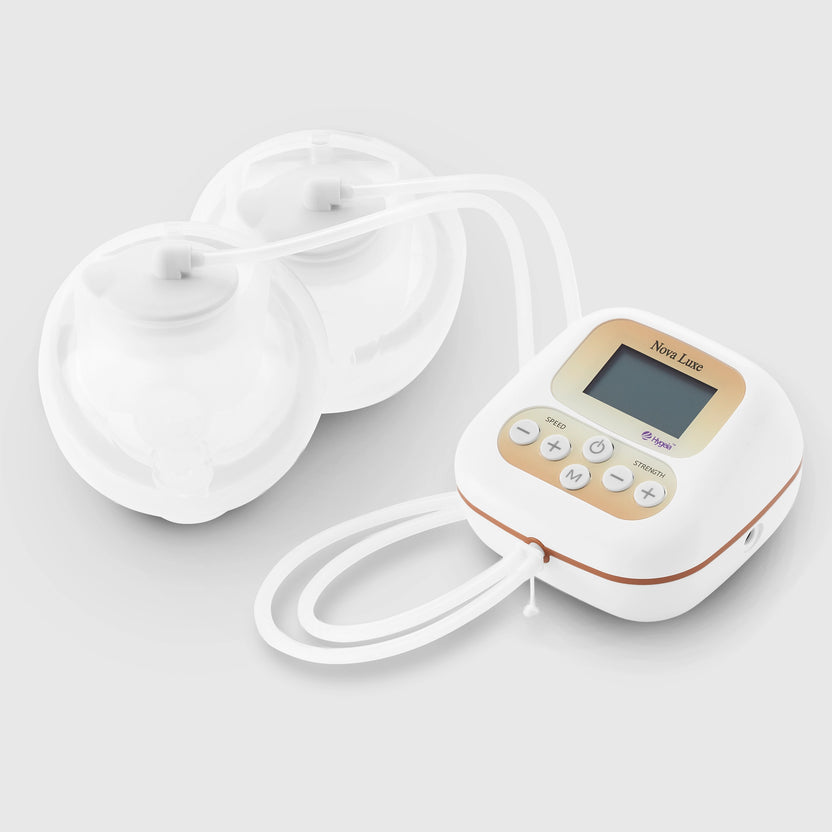
Before you scroll — claim the biggest freebie on this list
Your ACA insurance already covers a hospital-grade Hygeia pump. $0 out of pocket. Ships before baby arrives.
✓ Retail $259.99 — you pay $0
✓ 2 minutes. No card. No commitment.
✓ BCBS, Aetna, UHC, Cigna, Humana + 200 more
Join 250,000+ moms who paid $0 with insurance
How to Store Breast Milk
Proper storage protects the quality of your milk and reduces waste. KellyMom recommends storing milk in 1 to 4 ounce portions, which makes thawing easier and avoids discarding a large amount if your baby does not finish a feeding. Follow these storage basics every time you pump:
- Date every container before placing it in the refrigerator or freezer. Use the date of the first milk expressed when combining sessions.
- Cool freshly pumped milk before adding it to a container of refrigerated or frozen milk to avoid raising its temperature.
- Use food-grade, BPA-free breast milk storage bags with double-seal closures and clear volume markings. Storing bags flat in the freezer maximises space and speeds thawing.
- Breast milk is not spoiled unless it smells strongly off or tastes sour. A slight soapy smell in refrigerated milk is normal and due to lipase activity.
How Long Can You Store Breast Milk?
Storage times vary by location. As a general reference, freshly expressed milk keeps at room temperature for up to four hours, in the refrigerator for up to four days, and in a deep freezer for up to twelve months (six months is optimal). Always use the oldest milk first and label clearly so nothing is wasted.
How to Thaw and Warm Breast Milk Safely
How you thaw and warm milk matters as much as how you store it. Heat damages the beneficial proteins and antibodies in breast milk, so the method you use has a direct impact on nutritional quality.
Thawing Breast Milk
- Slow thaw in the refrigerator: This is the safest method. Move frozen milk to the fridge the night before you need it. Thawing takes approximately 12 hours.
- Quick thaw under running water: Hold the sealed container under cool running water and gradually increase the temperature until the milk is thawed. Do not let milk sit out at room temperature to thaw.
- Previously frozen milk may be kept in the refrigerator for up to 24 hours after it has fully thawed. Do not refreeze thawed milk.
Warming Breast Milk
- Heat water in a cup, then place the sealed bag or bottle of milk into the warm water until it reaches feeding temperature.
- A bottle warmer is a convenient alternative for consistent results.
- Never microwave breast milk or heat it directly on the stove. Microwaves create hot spots that can burn your baby and destroy nutrients.
- Cream separates during storage and rises to the top. Gently swirl the container (do not shake) before checking the temperature and offering it to your baby.
- If your baby does not finish the bottle at a single feeding, refrigerate the remainder and offer it within 1 to 2 hours before discarding.
How to Build a Pumping Routine Before and After Returning to Work
Texas WIC recommends starting to pump during maternity leave rather than waiting until your first day back at work. Beginning early gives you time to learn your pump, identify the time of day when your output is highest, and build a backup stash before you need it.
During Maternity Leave
- Start with one pumping session per day between feedings whenever you feel ready. Many mothers express more milk in the morning, so that is a good starting point.
- Once you find a time that works, pump at the same time each day. Consistency signals your body to maintain supply at that session.
- Store the milk you collect in dated storage bags to begin your freezer stash. Even a small reserve reduces pressure when you return to work.
After Returning to Work
- Pump during the times you would normally feed your baby. Most working mothers pump two to three times during an eight-hour shift. See KellyMom's guide on pumping duration and frequency for specifics by age.
- Let your employer know that keeping a consistent schedule matters. The federal PUMP Act requires most employers to provide reasonable break time and a private space (not a bathroom) for pumping.
- Pumping regularly at work tells your body to keep making milk and keeps you comfortable enough to stay focused between sessions.
When to Use a Wearable Pump vs a Traditional Pump
If pumping at work or on the go is part of your plan, the type of pump you use matters.
A traditional double electric pump is best for: building supply at home, NICU or medically intensive pumping situations, and maximising output when you have dedicated time and a power outlet.
A wearable or cordless pump is best for: pumping discreetly at your desk or in the car, reducing setup and breakdown time, and maintaining supply during a busy workday without stepping away from what you are doing.
Hygeia's full lineup, including the Nova Luxe, Esprit, and Fit Pro, delivers hospital-grade suction in both traditional and wearable form factors. All four are insurance-eligible under the ACA mandate. Most moms pay $0 out of pocket. The #1 top choice breast pump for over 10 years, with 2,887+ verified reviews at 4.9/5 stars.
Get a Free Breast Pump Through Insurance
Why Mothers and Experts Trust Hygeia
Celebrated by leading parenting and health organizations for innovation, efficiency, and mom-approved design.

Parents Pick Award
"Hospital-grade, cordless, hands-free pump designed for ultimate convenience and efficiency."

Mom's Choice Award
"It's cordless, rechargeable design lets you pump anytime, anywhere."

The Bump
"Best hospital-grade breast pump"
Baby Maternity
"In my humble but experienced opinion, the comparable pumps don't really compare."

The leaky Boob
"In my humble but experienced opinion, the comparable pumps don't really compare."
Frequently Asked Questions
Can I combine milk from different pumping sessions?
Yes. Milk from different sessions or days can be combined in one container. Use the date of the earliest expressed milk and make sure the milk you are adding has been cooled first. Do not add warm freshly pumped milk directly to cold stored milk.
How do I know if stored breast milk has gone bad?
According to KellyMom, breast milk is not spoiled unless it smells strongly off or tastes clearly sour. A mild soapy or metallic smell is caused by lipase, an enzyme that is completely normal and harmless. If you are uncertain, offer a small amount and watch your baby's reaction before discarding the batch.
Can I refrigerate my pump parts between sessions at work instead of washing them?
For healthy, full-term babies, rinsing and refrigerating pump parts between sessions during the day is a commonly used method, with a full wash and sanitize at the end of the day. However, the CDC recommends washing pump parts after every use. If your baby was born prematurely or has a compromised immune system, wash after every single session.
How many ounces should I be pumping per session?
Output varies widely by mom, baby age, time of day, and how long it has been since the last feeding or pumping session. Most exclusively pumping mothers who are fully established in supply express between 3 and 5 ounces total per session (both breasts combined). See KellyMom's pumping guide for realistic output benchmarks by stage.
Is my breast pump covered by insurance?
Most likely yes. Under the ACA preventive care mandate, non-grandfathered health insurance plans are required to cover a breast pump as durable medical equipment, often at $0 out of pocket. Hygeia handles the prescription, paperwork, and insurance claim so you receive your pump without the hassle. Check your eligibility and get free breast pump through insurance at
Get the Right Tools in Place Before You Need Them
Pumping and storing breast milk becomes much more manageable once the routine is set. The harder part is having the right pump, the right storage bags, and a support system ready before your maternity leave ends. Hygeia has helped thousands of mothers claim their insurance-covered pump before delivery, connect with a lactation consultant when questions came up, and build the confidence that carries through the whole feeding journey. Designed by moms, for moms. Moms deserve more, and that starts with having the right tools covered.
Insurance Plans We Work With


How to Claim Your Free Breast Pump
Complete our online insurance verification form. You will need your insurance card.
Choose your Hygeia pump from the options covered under your plan.
We handle the paperwork, verify your prescription and deliver your breast pump.
Most plans allow you to order starting at 30 weeks gestation. Order 30 to 60 days before your due date so the pump is ready before baby arrives. Check your full insurance coverage here. You can also check what free baby stuff you will get through Medicaid.