Pumping can feel overwhelming. Between figuring out a schedule, managing your supply, and finding time for yourself, the last thing you need to worry about is affording a quality breast pump.
The good news? Many states cover breast pumps through Medicaid, and you might qualify for a free or subsidized pump that actually works for your lifestyle. Let's walk through everything you need to know about getting a breast pump covered by Medicaid, which pumps are typically approved, how to handle your breast pump prescription, and the postpartum and lactation support that comes with it, so you can focus on what matters: feeding your baby and taking care of yourself.

What Does Medicaid Cover When It Comes to Breast Pumps?
Here's the honest truth: Medicaid coverage for breast pumps varies widely depending on where you live. But in many states, your Medicaid plan will cover a breast pump as a durable medical equipment (DME) benefit. This means that instead of paying out of pocket, you can get a pump through your insurance. Medicaid members often qualify for more than their pump. See our roundup of free baby stuff for new moms to find out what else you can get at no cost before and after delivery.
Most state Medicaid programs cover one breast pump per pregnancy or per year, depending on your specific plan. Some states are more generous, and some are more restrictive. The important thing to know is that coverage isn't automatic, you'll need to follow your state's specific process to request coverage.
Medicaid typically covers both manual and electric pumps, though the specific models available may vary by state. The table below shows the pump models and brands most commonly approved across state Medicaid DME networks. Since coverage can differ model to model even within the same brand, each Hygeia pump is listed separately.
Medicaid-Approved Breast Pump Brands and Models
Medicaid does not publish one master list of approved pumps nationwide since each state runs its own program. Approval depends on your state plan and what your in-network DME supplier carries. Always confirm with your caseworker or supplier before ordering.



Note: Medicaid is a state-federal partnership, so coverage, prior authorization rules, and supplier choice vary by state. Always confirm your specific plan's approved equipment list before requesting a pump.
Understanding Your Medicaid Breast Pump Eligibility
Before you start the application process, let's make sure you understand the basics of who's eligible. The good news is that eligibility is pretty straightforward.
General Eligibility Requirements
- Active Medicaid Coverage: You must be enrolled in Medicaid at the time you request the pump. Coverage during pregnancy doesn't automatically mean coverage postpartum, so check your status after delivery.
- Medical Necessity: Most states require that your healthcare provider confirm that you're breastfeeding or plan to breastfeed. This isn't a major hurdle, your OB, midwife, or pediatrician can sign off on this quickly.
- Age Requirement for Baby: Most states allow breast pump requests starting from birth, though some may require the baby to be at least a few weeks old. Check your state's specific rules.
- No Recent Equipment: Many Medicaid programs won't cover a new pump if you've received one in the past 12 months. If you got a pump last year, you might need to wait before requesting another.
These requirements exist to make sure resources go to people who truly need them. You're not jumping through hoops for no reason, these guardrails help ensure that Medicaid can support as many nursing parents as possible.
Hygeia Breast Pumps Approved Through Medicaid
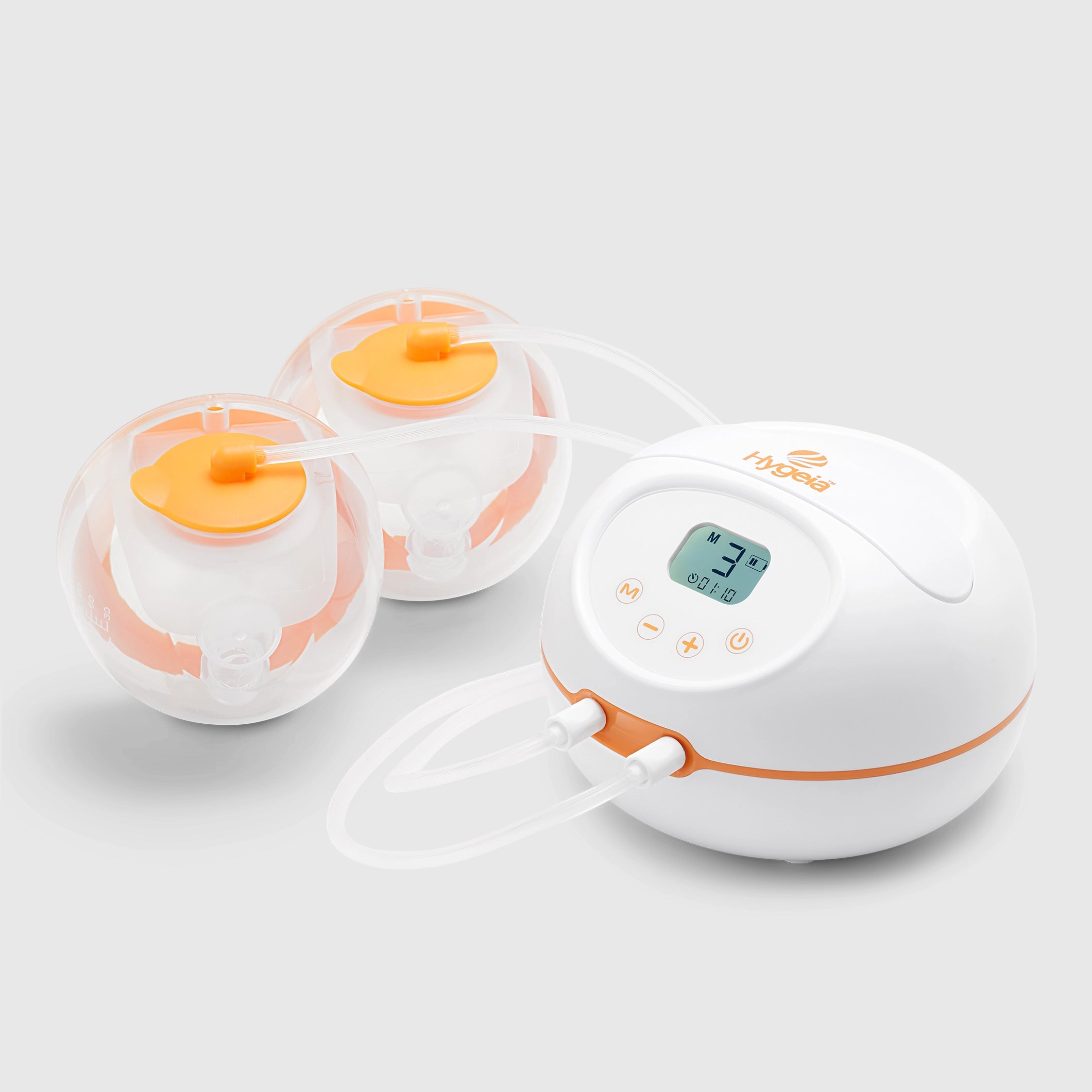
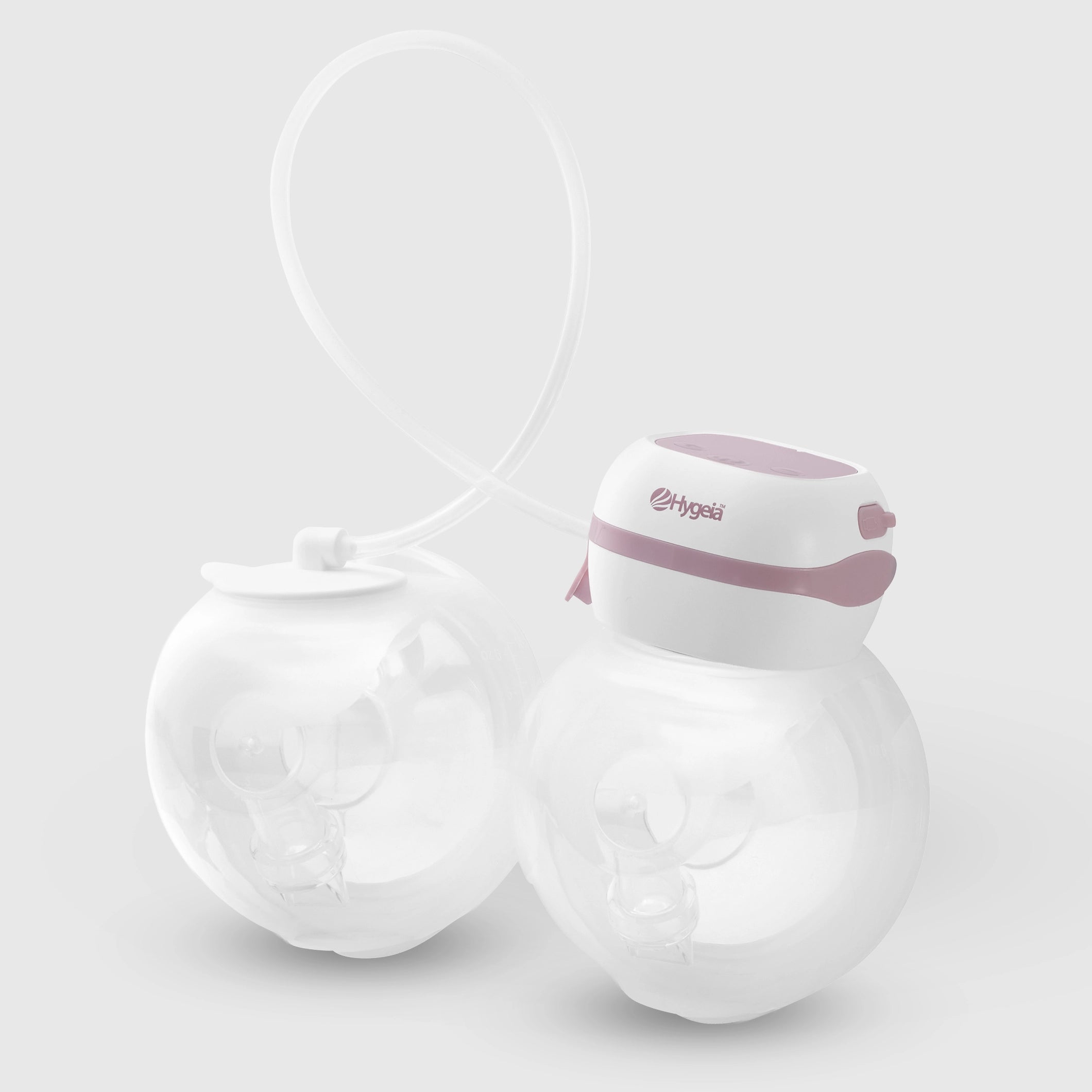
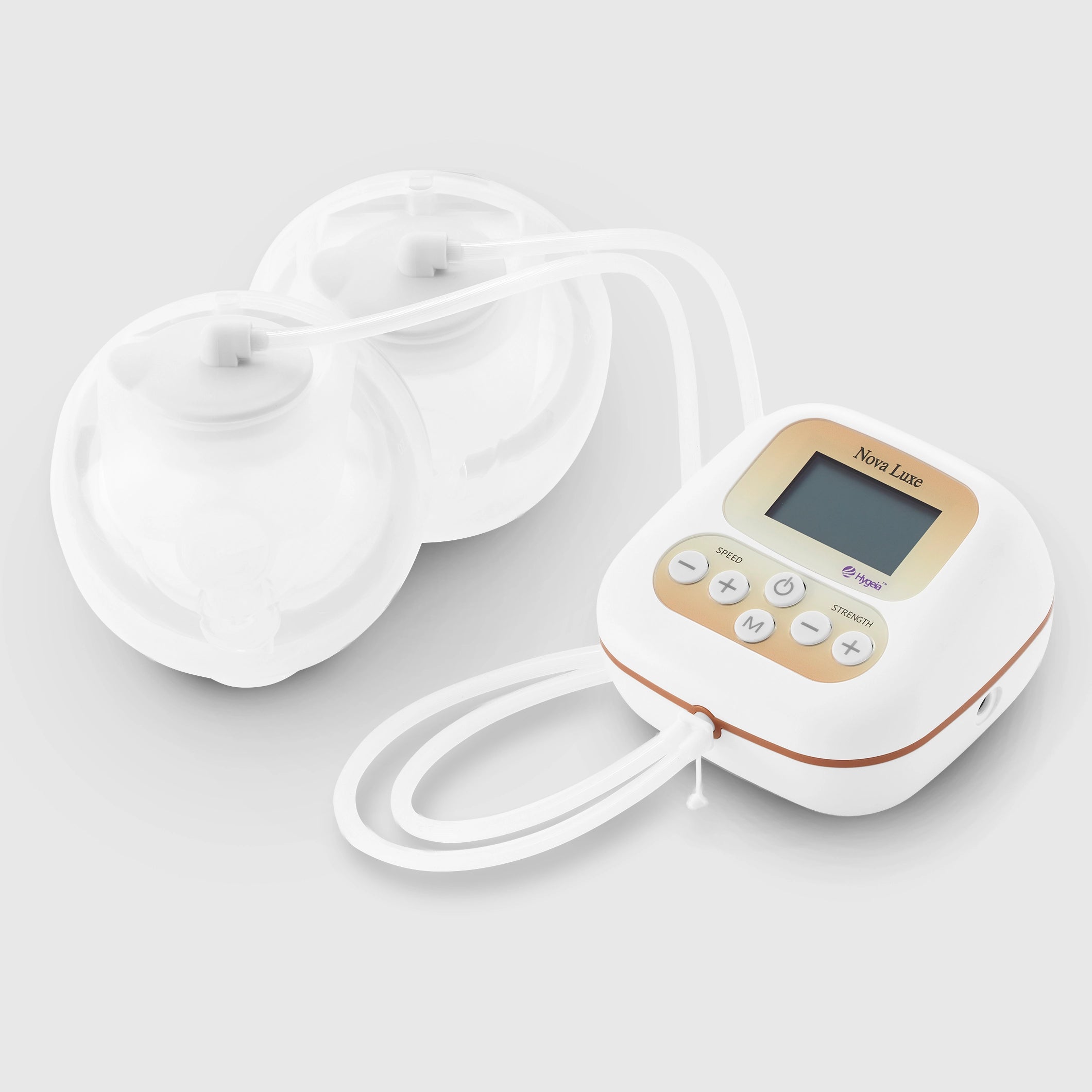
All four Hygeia pumps are insurance-eligible and deliver hospital-grade performance. Many state Medicaid programs cover one of these models at $0, so it is worth asking your caseworker or DME supplier about each one by name.
Hygeia Fit Pro ($174.99 retail)
Cordless double electric pump with a full Personal Accessory Set included. The most affordable model in the Hygeia lineup and a common starting point for first-time moms who are not yet sure what their pumping schedule will look like.
Hygeia Express ($239.99 retail)
Hospital-grade wearable pump with 275 mmHg suction and a 150-minute battery. Built for exclusive pumping and demanding schedules, with a complete accessory kit in one order.
Hygeia Esprit ($239.99 retail)
The lightest pump in the Hygeia lineup at 136 grams, designed to sit fully inside a nursing bra with no external hub or visible tubing. A strong choice for working moms who need to pump discreetly.
Hygeia Nova Luxe ($259.99 retail)
Hygeia's flagship pump, with suction up to 283 mmHg, independent speed and strength controls, and two smart pumping modes (Stimulation and Expression). The top choice for moms who want the most customizable, powerful pumping experience.
Refer to the coverage table above for a full side-by-side comparison, including the other brands commonly approved on state Medicaid plans.
How Breast Pump Coverage Varies by State
This is where things get a bit complicated, and it's important to be honest about it: your state makes a big difference. Medicaid is a state-federal partnership, which means each state runs its own program with its own rules, covered equipment lists, and approval processes.
Some states have robust breast pump coverage and make it easy to get approved. Others have stricter limits on which pumps they'll cover or require more documentation. A few states have more limited coverage altogether.
The best way to find out what your state covers is to call your Medicaid office directly or check your state's Medicaid website for the list of covered DME (durable medical equipment). Large states like California, New York, and Texas often have strong breast pump coverage because they serve so many beneficiaries. But smaller states can also have excellent programs. The key is to ask and don't assume you know your state's policy until you've checked directly.
Many states specifically cover Hygeia pumps because they're recognized as high-quality medical-grade equipment. When you apply, you can ask your state's Medicaid program whether the Hygeia Express, Hygeia Nova Luxe, Hygeia Esprit, or Hygeia Fit Pro are on their covered equipment list.
Your Step-by-Step Guide to Getting a Breast Pump Through Medicaid
Ready to apply? Here's exactly what you need to do. This process typically takes a few weeks from start to finish, so plan ahead if possible.
Step 1: Confirm Your Medicaid Coverage
First things first, make sure your Medicaid is active. If you were on pregnancy Medicaid, confirm that you're still covered postpartum. Many states have extended postpartum coverage, but the rules vary. You can check online through your state's Medicaid portal or call your state's Medicaid customer service line. Have your Medicaid ID card handy when you call.
Step 2: Get Your Breast Pump Prescription
Your doctor, OB, midwife, or pediatrician will need to write a breast pump prescription or provide medical justification for the pump. This doesn't need to be fancy, usually just a simple note saying something like "Patient is breastfeeding and would benefit from a breast pump" is enough. Many providers can do this in minutes at your postpartum visit or with a quick phone call.
Step 3: Contact Your Medicaid Program
Call your state's Medicaid office and ask about breast pump coverage. Ask these specific questions:
- Does my state cover breast pumps as durable medical equipment?
- What models are on the approved list? (Ask specifically about the Hygeia Express and Hygeia Fit Pro.)
- What's the process to request coverage?
- Do I need prior authorization?
- Can I choose which DME supplier provides the pump?
Many states allow you to choose your own DME supplier, which means you could work directly with Hygeia or through an authorized Hygeia supplier. Other states have preferred vendors. This conversation will tell you exactly what your next step is.
Step 4: Gather Your Documentation
Have these items ready before you apply:
- Your Medicaid ID number
- Your healthcare provider's prescription or letter of medical necessity
- Your date of birth and your baby's date of birth
- A copy of your ID (driver's license or other government-issued ID)
- Proof of your address if requested
Most of this you probably already have. The prescription from your provider is the key document, so make sure you get that in writing before you submit your request.
Step 5: Submit Your Request
Depending on your state, you may submit your request online, by mail, or by phone. Some states process these through their Medicaid office directly; others route them through a DME supplier. Follow your state's specific instructions. If you're working with a supplier, they often handle the paperwork for you, you just need to provide your documentation.
Step 6: Wait for Approval
Most states process breast pump requests within 7 to 14 days, though it can occasionally take longer. Once you're approved, your state will either ship the pump to you directly or let you know how to obtain it from an approved supplier. Keep your approval documentation, you'll need it when you receive the pump.
Getting Your Breast Pump Prescription Handled
Almost every state Medicaid program requires a breast pump prescription or letter of medical necessity before it will process a DME request. The note itself is short: confirmation that you're breastfeeding or plan to, your provider's signature, and sometimes a specific pump model if you're requesting one by name. Most providers write it in under two minutes at any postpartum visit.
When you order through Hygeia, the team can help confirm what documentation your state requires and coordinate with your provider so the request moves smoothly. Read the full breakdown on the breast pump prescription page for what to expect and when to request yours.
Lactation Assistance Through Medicaid
Many state Medicaid programs also cover lactation consultant visits at no extra cost. Hygeia partners with Nest Collaborative for virtual IBCLC-led consultations, often covered by insurance. If you have questions about latch, flange sizing, milk supply, or how to get the most out of your specific pump, a certified lactation consultant is the fastest path to real answers, with no driving and no weeks-long wait for an in-person appointment.
Medicaid vs. Private Insurance: A Comparison
How does Medicaid breast pump coverage stack up against private insurance? Let's break it down:
| Coverage Aspect | Medicaid | Private Insurance |
|---|---|---|
| Cost to You | Usually free or low cost; typically 100% covered as DME | Depends on plan; often requires deductible or copay |
| Frequency of Coverage | Usually one pump per year or per pregnancy | Varies; some plans cover one per pregnancy, others less frequently |
| Model Selection | Limited to state-approved equipment list; often includes hospital-grade models | May have broader or narrower options depending on insurer |
| Prior Authorization | Often required; usually straightforward | Varies by plan; may or may not be required |
| Timeline to Receive Pump | 7-14 days typical after approval | Varies widely; can be 1-4 weeks depending on plan and supplier |
| Flexibility with Supplier | Varies by state; some allow supplier choice, some don't | Often restricted to in-network providers |
The biggest advantage Medicaid offers is affordability. You'll typically pay nothing or very little out of pocket, whereas private insurance often requires a copay or deductible. If you're eligible for Medicaid, it's usually worth pursuing coverage even if you also have private insurance. You may also get lactation assistance through your Medicaid plan.
Tips for Getting Your Medicaid Breast Pump Approved
- Get Your Documentation Early: Don't wait until after your baby arrives. Talk to your healthcare provider about getting the prescription written before delivery or right after. This speeds up the whole process.
- Choose Your Supplier Strategically: If your state allows you to choose a DME supplier, work with one that has experience with Medicaid breast pump requests. They know the process and can handle paperwork issues quickly.
- Be Specific in Your Request: If you want a specific model like the Hygeia Express or Hygeia Fit Pro, mention it by name in your request. Your healthcare provider can also note the specific model they're recommending.
- Keep Records of Everything: Save copies of prescriptions, approval letters, confirmation numbers, and any correspondence with Medicaid. This protects you if there are any questions later.
- Follow Up if You Don't Hear Back: If more than two weeks pass without an update, call your Medicaid office and ask for a status. Don't hesitate to follow up, providers are used to these calls.
- Ask About Expedited Processing: If you're in a time-sensitive situation (like returning to work soon), ask whether your state offers expedited processing. Some do.
What to Do If Your Medicaid Breast Pump Request Is Denied
Sometimes requests get denied. It's frustrating, but it's not the end of the road. Here's what to do:
Understand the Reason for Denial
Your denial letter should explain why you were turned down. Common reasons include: you're not currently on Medicaid, you received a pump within the last 12 months, your provider's documentation wasn't clear about medical necessity, or the specific pump model you requested isn't on the state's approved list.
Address the Specific Issue
Once you know why you were denied, you can often fix it. If it's a documentation issue, ask your provider for a clearer letter. If you requested a pump that's not on your state's list, ask what models are available and apply for one of those instead. If you're not on Medicaid, check your eligibility status and apply for coverage if you qualify.
File an Appeal
Most states allow you to appeal a denial. Your denial letter will explain the appeal process. You'll usually have 30 days to file. Include any additional documentation that supports your case with a stronger letter from your provider, updated proof of Medicaid eligibility, or clarification about why you need the pump.
Ask for Help
If you're struggling with the appeal process, reach out to a local breastfeeding organization or your state's Medicaid advocacy group. Many can help you understand your rights and submit a stronger appeal. You can also contact Hygeia's customer service team if you need clarification about whether your desired pump model is typically covered in your state.
How Long Does It Actually Take to Get Your Pump?
- Gathering documentation: 2-5 days (getting a prescription from your provider)
- Submitting your request: Same day or within a few days of having documents ready
- Medicaid processing: 7-14 days average; can be up to 21 days in some states
- Receiving the pump: 3-7 business days after approval (or same day if through an in-state supplier)
- Total time from start to finish: 2-4 weeks in most cases
The whole timeline is important because it means you should start this process early. Ideally, begin the process while you're still pregnant or in the first week postpartum so you have the pump when you need it. If you're already back at work before starting this process, don't worry, you can apply anytime, just know that there will be a waiting period.
Your Postpartum Timeline: Pumping Support Month by Month
Getting your pump approved is only the first step. What your body and your pumping routine need shifts noticeably across the first three months postpartum, and Hygeia's postpartum guide breaks each stage down in detail.
- 1 month postpartum: healing, milk supply regulation, and getting your prescription and pump set up before engorgement hits.
- 2 months postpartum: settling into a pumping rhythm, building a stash, and adjusting flange fit as your body changes.
- 3 months postpartum: preparing for a return to work or a more predictable schedule, and knowing when to loop in a lactation consultant if supply or comfort issues come up.
Whichever postpartum month you are in, you can still apply for a free breast pump through Medicaid as long as your state's benefit window is open.
How Hygeia Helps You Get Covered Through Medicaid
At Hygeia, we work with Medicaid programs across the country, and many state Medicaid programs specifically cover Hygeia pumps. Here's how we make the process easier for you:
- We Know What's Covered: Our team stays current on which Hygeia models are on each state's approved equipment list. When you contact us, we can tell you exactly whether the Hygeia Express or Hygeia Fit Pro is covered in your state.
- We Coordinate with DME Suppliers: We work with authorized DME suppliers in every state. If you're approved through Medicaid, we can help connect you with the right supplier to get your pump.
- We Answer Your Questions: Have questions about your Medicaid coverage or the process? Our customer service team is here to help. You can reach out to us and we'll provide guidance specific to your situation.
- We Support You After You Get the Pump: Once you have your Hygeia pump, we provide support through our website, customer service, and community resources. You're not just getting equipment; you're getting a partner in your breastfeeding journey.
Many families find that working with both their state's Medicaid program and directly with Hygeia creates the smoothest experience. We're invested in making sure you get the pump you need.
Frequently Asked Questions
Can I get a breast pump through Medicaid if I have private insurance too?
Yes. Some parents actually use Medicaid for their pump even if they have private insurance. This is often a smart choice because Medicaid often covers more of the cost. You can also check with your private insurance to see if they offer coverage, and in some cases, you can coordinate benefits. Talk to both insurers about your options.
What if I'm on Medicaid during pregnancy but lose coverage after delivery?
This is a common concern. Many states have extended postpartum Medicaid coverage (often 12 months), but rules vary. Check your state's specific policy. If you lose coverage, you may still be able to apply for the pump if you were covered at delivery or shortly after. Ask your Medicaid office about the rules in your state.
Can I request a specific pump model, or do I have to use whatever Medicaid offers?
You can request a specific model. Your healthcare provider can write a prescription for the pump that best fits your needs. If that model is on your state's approved list, you'll often get it. If it's not approved in your state, your provider might be able to request an exception, or you can choose from the approved models available.
How often can I get a new breast pump through Medicaid?
Most states cover one pump per calendar year or one pump per pregnancy. If you had a pump a few months ago and it broke, you might not be eligible for a replacement yet, but it's worth asking your Medicaid office about exceptions for equipment failure. Some states are flexible about this; others are stricter.
What happens if my Medicaid-covered pump breaks? Can I get a replacement?
Most Medicaid breast pumps come with a warranty, so if something goes wrong, contact the manufacturer first. If the pump is defective and covered under warranty, you can often get a replacement without going through Medicaid again. If you're outside the warranty period and the pump is truly unrepairable, contact your Medicaid office and explain the situation.
Do I have to pay anything out of pocket for a Medicaid-covered breast pump?
In most cases, no. Medicaid covers breast pumps as durable medical equipment, which means there's typically no out-of-pocket cost to you. However, some states or plans may charge a small copay or require you to use a specific supplier. When you call your Medicaid office, ask specifically about costs so you're not surprised.
Does Medicaid cover lactation consultant visits?
Many state Medicaid programs cover lactation support at no extra cost. Hygeia partners with Nest Collaborative for virtual IBCLC consultations, often covered by insurance, so you can get help with latch, supply, or pump settings without an in-person visit.
You've Got This
Getting a breast pump through Medicaid might seem like a lot of steps, but it's actually designed to be straightforward once you know what to do. You're not asking for something unreasonable, you're accessing a benefit that exists to support nursing parents and give you the tools you need to breastfeed successfully.
Start with a conversation with your healthcare provider, make that phone call to your state's Medicaid office, gather your documents, and submit your request. In a few weeks, you'll have a pump that actually works for your life, whether that's the hospital-grade power of the Hygeia Express or the cordless convenience of the Hygeia Fit Pro.
Remember, you're doing something amazing by breastfeeding your baby. A quality pump makes that journey easier and more sustainable. You deserve that support, and Medicaid is here to provide it.
Ready to explore your options? Fill out the Hygeia insurance form to see what's available to you. Our team is here to answer any questions about Medicaid breast pump benefits in your state.